
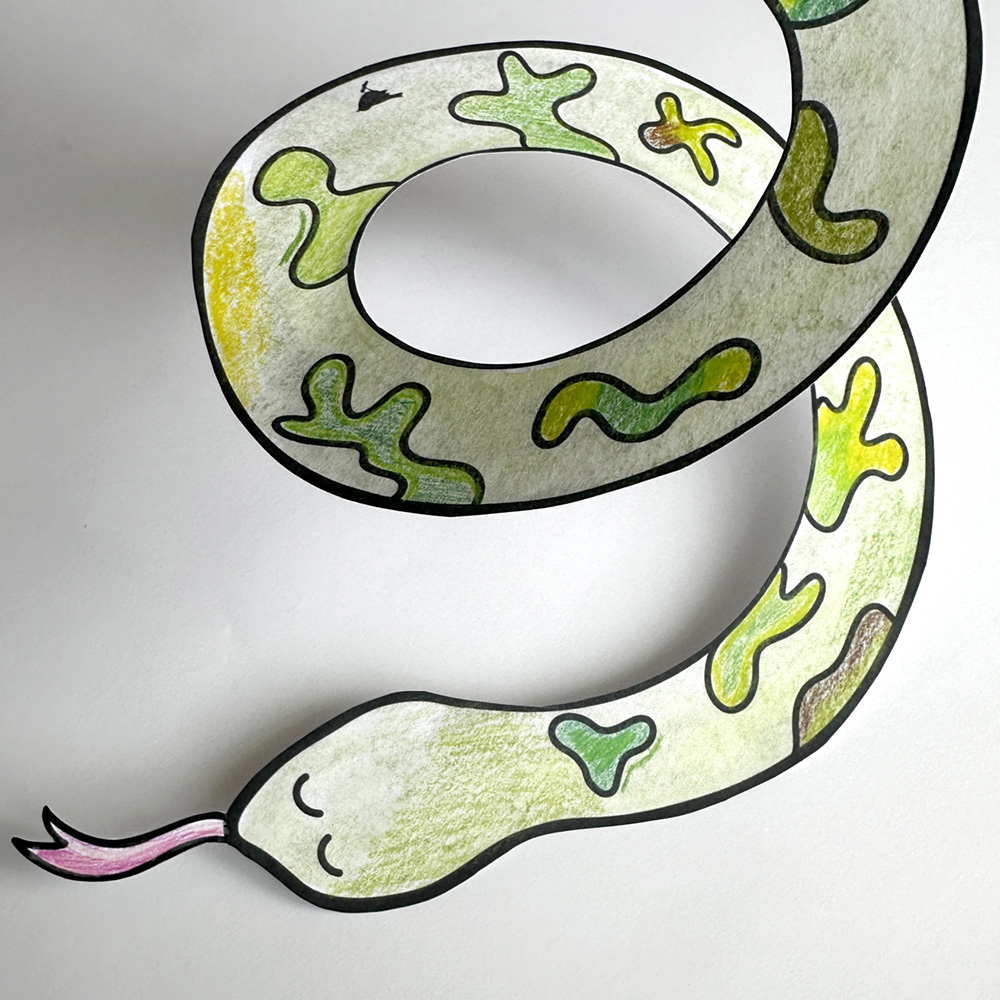
Print Shop is Live! 🎉
Head over to the website to explore what’s new. Navigate from the orange bar at the top of our homepage. There is something for everyone.
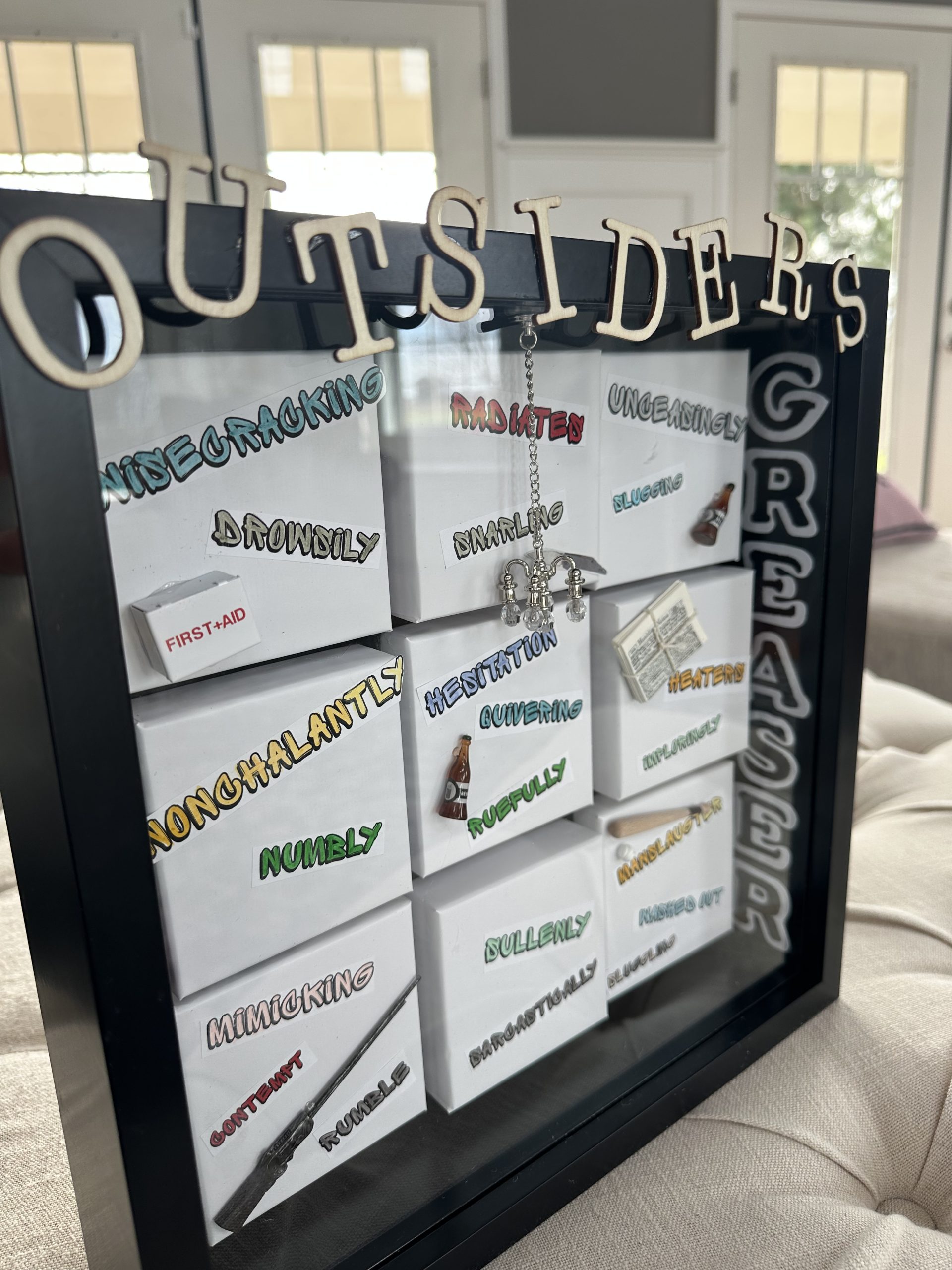
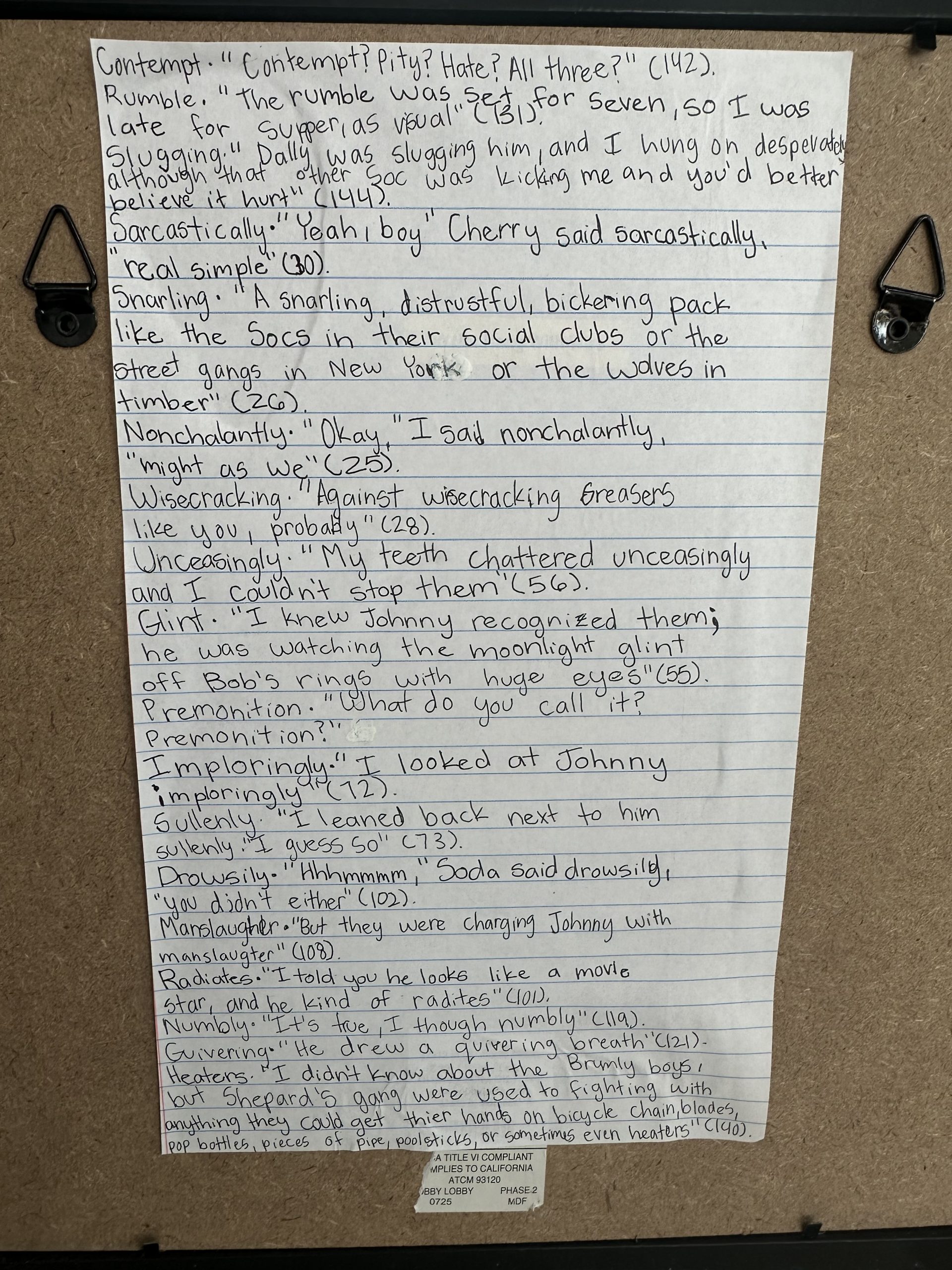
As a writer, I am often saddened by what has become of the essay. Quoting “Introduction to Poetry” by Billy Collins, I have to say, I agree:
~Kimberly
DON’T FORGET TO PLAY BINGO!
Download your Summer Bingo for free on Printshop HERE and submit a picture of your completed bingo sheet below to enter the raffles. Bingo will run June 1st through August 31st—so print out your bingo sheet and get to crossing off squares!

The Gold Below the Surface
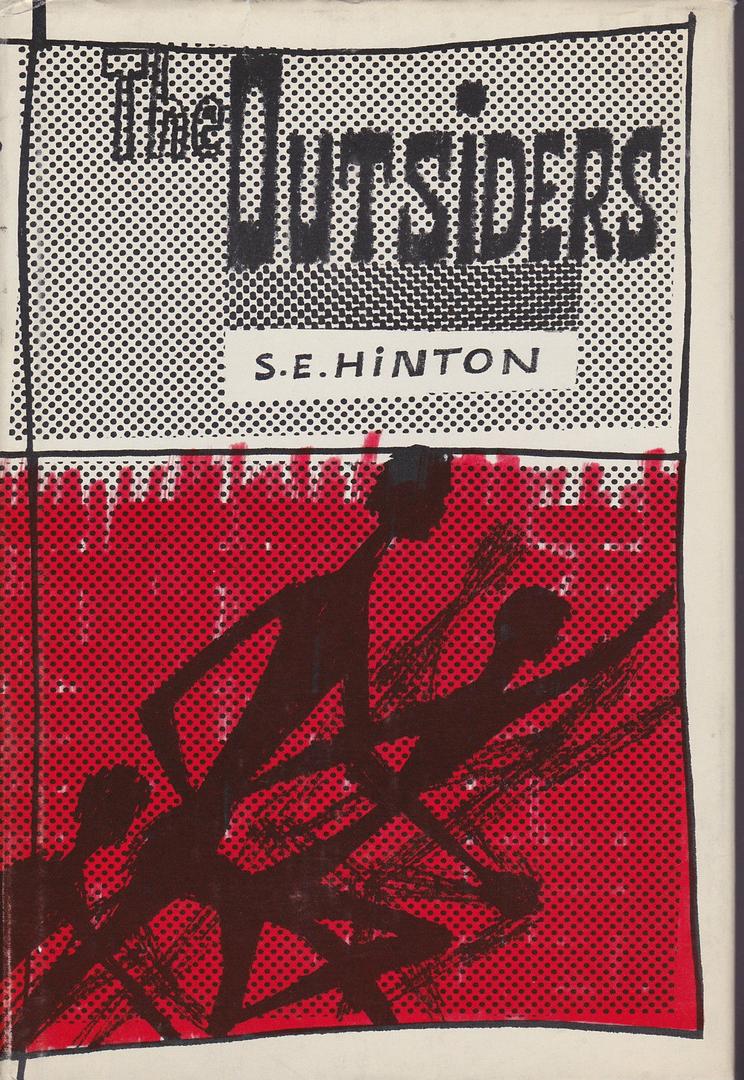
Have you ever been judged before someone really got to know you? In The Outsiders, by S.E. Hinton, the Socs and the Greasers are separated by wealth and reputation. The theme of loyalty, the symbolic switchblades, and the transforming of differences to similarity, keep this story alive and kicking.
For the Greasers to survive, they must rely on loyalty to one another. Every day, the streets are dangerous for the Greasers. S.E. Hinton uses the ongoing conflict between the Greasers and the Socs to demonstrate this danger, “Greasers can’t walk along too much, or they’ll get jumped” (2). The Greasers rely on each other for protection. Being loyal means sometimes having to sacrifice. Johnny protects Ponyboy at the church fire, “We put it out before you got burned. That jacket saved you from a bad burning, maybe saved your life” (94). Johnny courageously sacrifices his life because of his loyalty to his friend Ponyboy. Johnny rescuing Ponyboy not only demonstrates the loyalty of a true friend, but the true devotion of the Greasers toward one another.
Switchblades are weapons that symbolize both violence and protection. The Greasers live in a tough environment. They rely on violent switchblades for power, “Ya kill’em with switchblades, too, ya, kid” (83). Daily life is filled with rivalry, where the switchblades represented hostility. Getting the news that Johnny will be dying, breaks Ponyboy. But Johnny’s last words stick with him forever like a switchblade to the heart, “Stay gold, Ponyboy, stay gold…”(148). In the last seconds of his life, Johnny, protecting his friend, instructs Ponyboy how to live life. Receiving his last words of guidance, Ponyboy can move forward.
Despite all of the differences between the Greasers and the Socs, they are amazingly alike. After all, having differences doesn’t mean we humans aren’t similar. Despite the Greasers and the Socs differences, both groups are more alike than meets the eye, “It seems funny to me that the sunset she saw from her patio and the one I saw from the back steps was the same one” (1). Seeing the same sunset demonstrates similarity. Not knowing what Johnny’s future is going to look like, or if he even will have a future, is very scary. Worrying about what might happen to Johnny in the near future, Ponyboy comes face to face with mortality, “The blood was draining from my face and Darry put an arm across my shoulder and squeezed hard…even if he lived, he’d be crippled for the rest of his life” (102). All these thoughts are running through his mind. Sunsets and death lead readers into understanding that the Greasers and the Socs have much in common.
Throughout The Outsiders, S.E. Hinton, uses the simple theme of loyalty, symbols like switchblades and staying gold, and striking motifs of sunsets and death, to create a hauntingly realistic tale that is relevant here in the 21st century. Ultimately, judging someone before getting to know them creates walls that divide. Getting to know someone before judging enables us to discover someone as a whole, and this will always surprise the heart.
Works Cited
Hinton, S.E. The Outsiders. Viking Press, 1967.
~Kimberly
DON’T FORGET TO PLAY BINGO!
Download your Summer Bingo for free on Printshop HERE and submit a picture of your completed bingo sheet below to enter the raffles. Bingo will run June 1st through August 31st—so print out your bingo sheet and get to crossing off squares!
Sprinkle in alliteration or oxymoron or polysyndeton and all of a sudden, a sentence is more than just a sentence. It’s art.
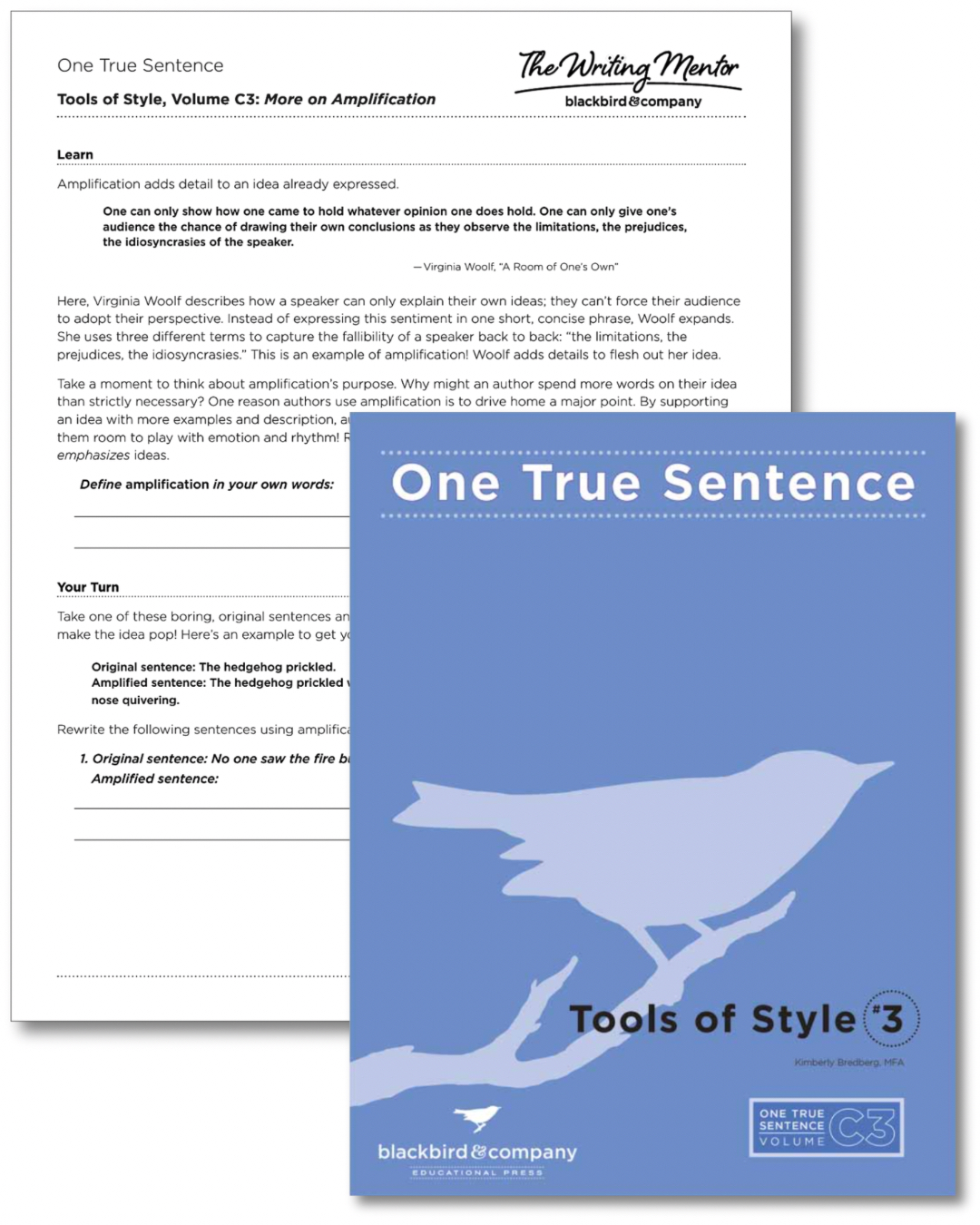
But how does one teach the art of writing this sentence? Well, the One True Sentence: Tools of Style workbooks are a great place to start. Each workbook explores twenty devices that skillful writers have at their disposal.
Sometimes, however, writers need more time to sit with these new techniques, time to contemplate and learn and practice. That’s why we created The Writing Mentor print-outs for our Tools of Style workbooks. Each downloadable 3-5 page worksheet (found on Print Shop) supplements a specific lesson from the workbook. With every lesson, students have a chance to learn, practice, and get creative.
Zooming in, students will:
What better way to learn about amplification than by writing your own amplified sentences—or to practice anaphora than by writing an anaphoric poem about yourself?
DON’T FORGET TO PLAY BINGO!
Download your Summer Bingo for free on Printshop HERE and submit a picture of your completed bingo sheet below to enter the raffles. Bingo will run June 1st through August 31st—so print out your bingo sheet and get to crossing off squares!

~Kimberly
DON’T FORGET TO PLAY BINGO!
Download your Summer Bingo for free on Printshop HERE and submit a picture of your completed bingo sheet below to enter the raffles. Bingo will run June 1st through August 31st—so print out your bingo sheet and get to crossing off squares!

It all began with Little House in the Big Woods. Published in 1932. This book is the first in the series of her memories growing up in the American Midwest during the last quarter of the 19th century. While these books are fictionalized, they are considered by most historians to be primary sources from this period of American History.
I read each and every book in the series back when I was in middle school back in the 70s. About the same time, the TV show was released. I imagine Laura Ingalls Wilder never imagined her stories would impact so many humans in the 20th century and beyond. Even though she lived a long life, she died in 1957, long before the television show.
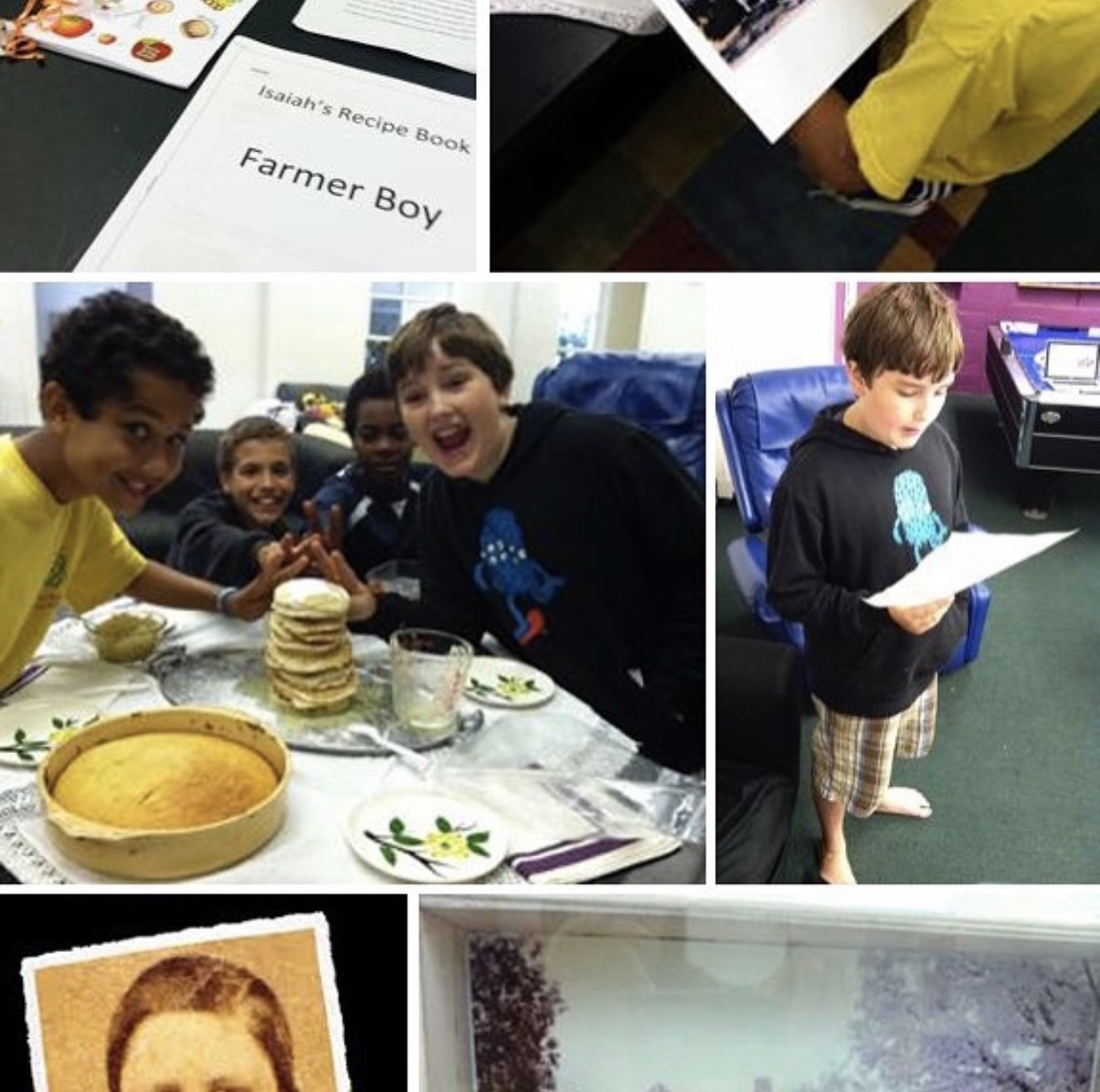
My two favorite books are The Long Winter and Farmer Boy (in that order). The Long Winter is the tale of how the Ingalls family survived the brutal winter storms in Dakota Territory during 1890. Let me tell you, it is a page turner! Discovering the “twisting of hay” technique alone is worth the read! But Farmer Boy is unique, a stand alone, being the story of Almanzo Wilder’s childhood—the man who Laura later married.
Two of my now adult children adored Farmer Boy as did countless of my students! The standout, of course was the description of food, especially the “stacked pancakes” Almanzo adored. That boy could EAT!
Here, at the dawn of July, Think forward. Read the books (or listen on Audible) you have chosen to explore this coming year. As you read, listen for words that strike your fancy, sentences and passages that underline. Use sticky tabs to mark words, sentences, and passages you want to share. Flip through your student’s workbooks to see what will be expected. Calendar out your schedule. Use the Parent/Teacher button dropdown on the orange bar at the top of our home page. Here you will find suggested Lesson plans for every single one of our ELA unit types. You will also, in this area, find our Answer Keys. Head over to Print Shop and scroll down to find FREE Writer’s Checklists, Character Trait Cards, and a wonderful spelling program.

~Kimberly
DON’T FORGET TO PLAY BINGO!
Download your Summer Bingo for free on Printshop HERE and submit a picture of your completed bingo sheet below to enter the raffles. Bingo will run June 1st through August 31st—so print out your bingo sheet and get to crossing off squares!
Scarcity is not always a bad thing. Of course, when it comes to natural resources—water and food—scarcity creates a problem.
Sometimes scarcity might prevent waste. I work tirelessly to purchase fresh vegetables that will be used completely. Too often, when I was younger, lettuce and celery and carrots would wilt, berries would mold before I had a chance to prepare them for my family. Exercising scarcity has helped me solve this problem.
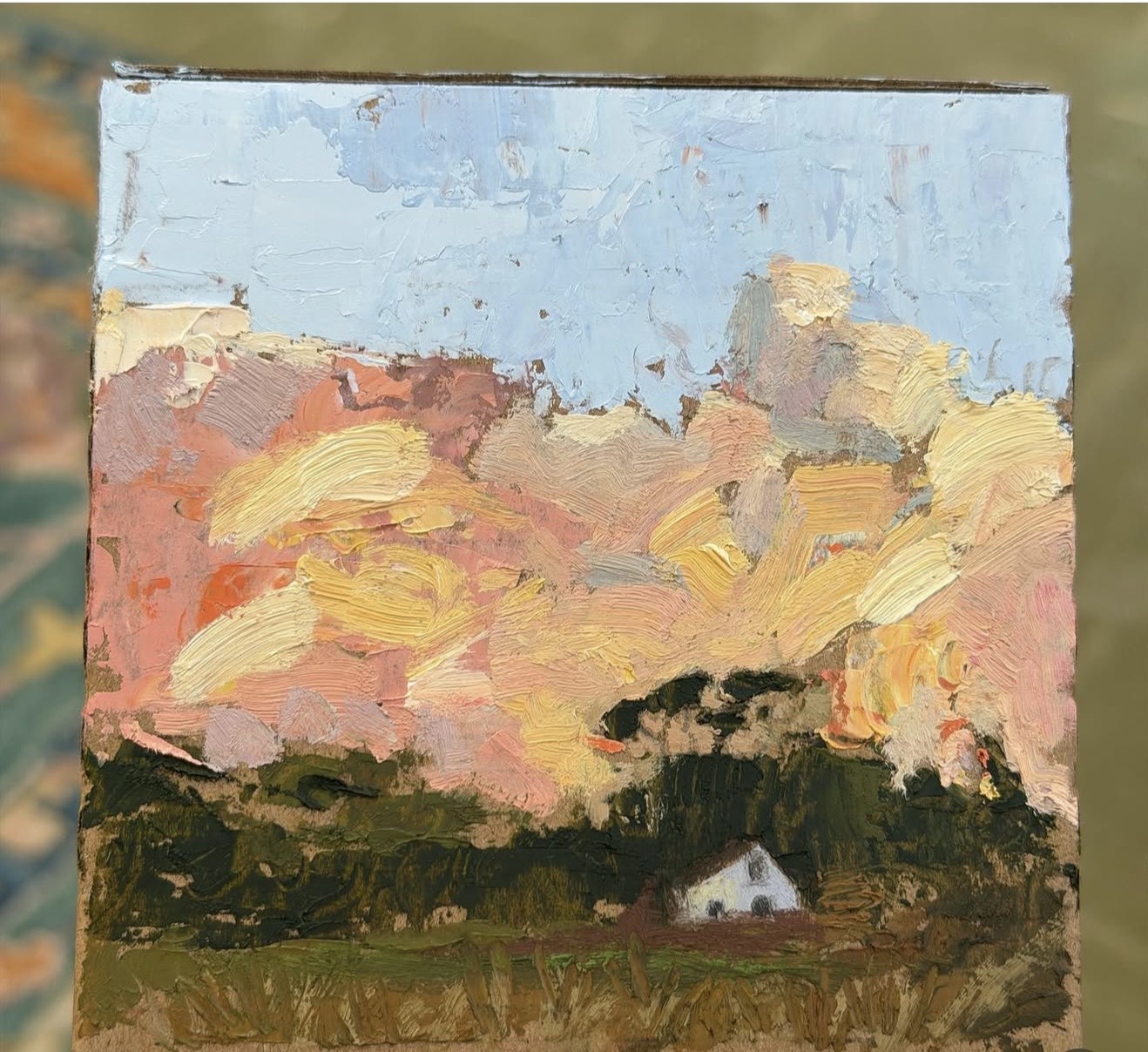
I have a dear friend, a bonafide artist, who has made a pact with herself to not only work through all the materials in her studio, but to also see what might become of trash combined with a bit of imagination. Trash to ephemera—recycle, reuse, repurpose. Sandra’s “Sunset Clouds Over SLO” (oil on repurposed cardboard, 4 x 4) fits the bill whimsically.
Cutting, pasting, coloring, painting, folding, and making, actually set the stage for higher learning. More significantly, the activities we are providing will seem on the surface to be toss-able. However, offering elevated art supplies plus a little nugget of knowledge, and, there is is!
I smile remembering the piggy banks of olden times, likening our Print Shop for Primary being pennies and nickels and dimes and quarters that little minds are adding to their fund of knowledge.
Our concept of offering Print Shop for Primary ABCeDarian style, constrains and connects learning to the 26 letters of the alphabet where all of the English language originates. These 26 letters, organized individually or in combination creates the 44 sounds we humans use to communicate. This truly is an awesome example where scarcity is maximized.

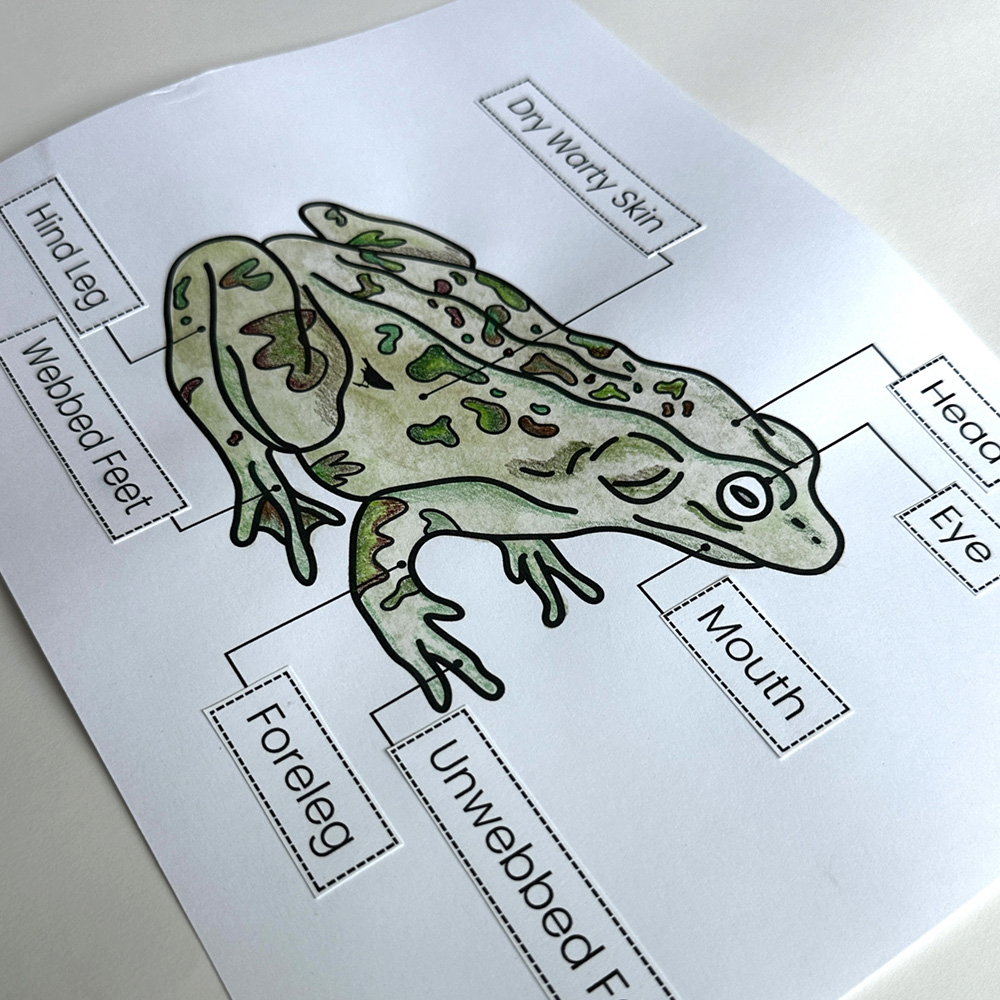
This kit will include books and projects across domains of learning—anatomy, animal life cycles, color theory, fine art, craft, the alphabet, and much more. Everything in the box will promote independent learning, fine motor skills, focus, patience, and offer information to build the fund of knowledge. Simply stated, the ABCedarian box is certain to delight!
Cutting, pasting, coloring, painting, folding, and making actually set the stage for higher learning. More significantly, the activities we are providing will always offer a little nugget of knowledge tied to A and b and C!
This kit will include books and projects—anatomy, animal life cycles, color theory, fine art, butterfly craft, the alphabet, and much more. Everything in the box will promote independent learning, fine motor skills, focus, patience, and offer information to build the fund of knowledge. Simply stated, the ABCeDarian Activity Box is certain to delight!
~Kimberly
HAVE YOU STARTED PLAYING SUMMER BINGO?
Download your Summer Bingo for free on Printshop HERE and submit a picture of your completed bingo sheet below to enter the raffles. Bingo will run June 1st through August 31st—so print out your bingo sheet and get to crossing off squares!
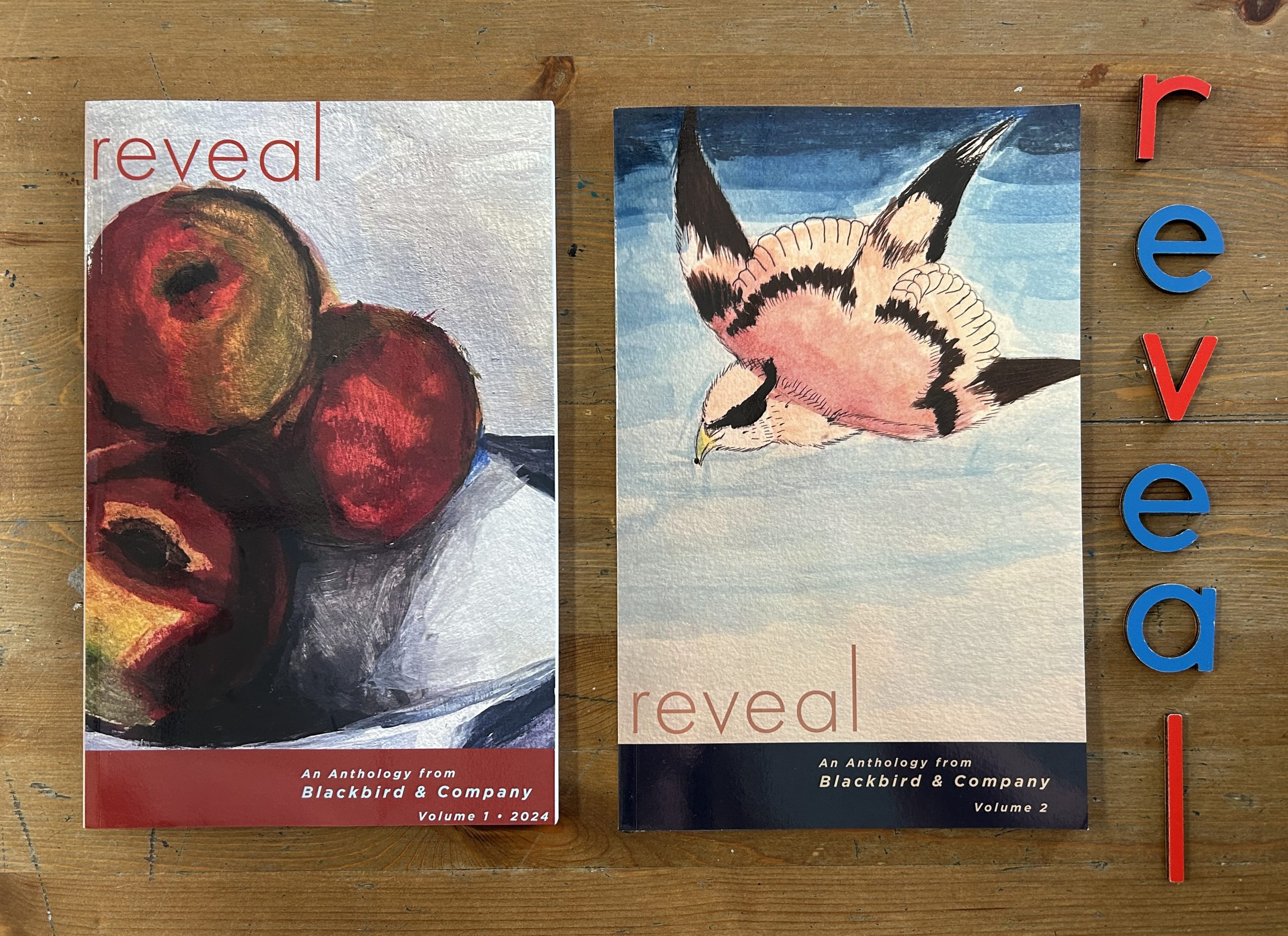
Everyone has an idea or an experience or a perspective so unique that it demands to be shared.
That’s the magic of Reveal. Reveal is the finger on the pulse of our student community. When I read this journal, I catch a glimpse of the hearts of our students because with every piece of writing comes a sliver of the author’s soul. Writing carries power! It’s personal!
Reveal (our Blackbird & Company literary journal) is how we highlight students’ unique voices and big ideas. Check out the Reveal 2024 and Reveal 2025 editions to see for yourself.
Submit your student’s work here to give them a chance to be featured in this upcoming issue.
May these printed words spur on your creativity!
DON’T FORGET TO PLAY BINGO!
Download your Summer Bingo for free on Printshop HERE and submit a picture of your completed bingo sheet below to enter the raffles. Bingo will run June 1st through August 31st—so print out your bingo sheet and get to crossing off squares!
~ Claire S.

Does your student struggle to spell well? Stumble to decode simple words and phrases? Or do you have a student who just needs a bit more direct instruction, a bit more time for slow, methodical practice? Summer’s here! Time to help these students fly.
Click through to: The Wonderful World of Phonics
Reading builds a rich vocabulary, grows our knowledge of the world, and sparks BIG ideas.
Writing begins with an idea and is crafted to words on a page by a courageous thinker.
Our open-ended unit provides you, the teacher, with all the tools necessary to guide your students into the wonderful world of phonics. Our curriculum, rooted in Orton-Gilligham wisdom, is user friendly and affirming for the older student who needs additional direct instruction and independent practice to shore up skills. Includes all you need to know about phonics, a placement guide, plus lesson guidance each step of the way.
Help your students dive into 2026 with the ELA tools that will enable them to read and write and think well!
DON’T FORGET TO PLAY BINGO!
Download your Summer Bingo for free on Printshop HERE and submit a picture of your completed bingo sheet below to enter the raffles. Bingo will run June 1st through August 31st—so print out your bingo sheet and get to crossing off squares!