Posted on

The Wonder of Collective Nouns

Collective nouns name a group of people or things.

Whoever came up with the concept of collective nouns had some serious fun! From an army of frogs to a zeal of zebras, these aren’t ordinary-performing nouns. For each group of animals from A to Z, An Erst of Bees: A Wild Alphabet of Collective Nouns features a gorgeous illustration and a sweet, poetic verse to make the creatures come alive. 

For example, did you know that a group of kittens is called an intrigue? Or I bet you can’t guess what a knot refers to—a group of toads! The collective noun for peacocks seems especially fitting: an ostentation. 

Language doesn’t have to be boring. When we take time to examine its quirks, English can dazzle us! So take the time to be dazzled and read An Erst of Bees!


~Claire S.

Posted on

Safety in Numbers

In the case of collective nouns, we might more aptly title this post Wonderment in Numbers!

Believe it or not, collective nouns are rooted in medieval sport! It all began with the hunt, the animals encountered, and a woman named Juliana Berners.

A scurry of squirrels.

A bouquet of pheasants.

A rangale of deer.

Back in 1486, she was the first woman in the English language to publish a book, The Book of Saint Albans. This particular book confesses her thoughts on medieval hunting, hawking, and heraldry—hobbies of noble men. Included in the book is an appendix of over 150 collective nouns for animals encountered during the hunt. These nouns tickled the ears of her readers and, over time the list grew.

The thing about a name is that it reveals something of the very nature of what is being named. Some are named for a behavior characteristic, like a “watch of nightingales,” birds singing long into the night. Some collective nouns are determined by the nature of the work performed, think “a yoke of oxen” and “a burden of mules” and you will see what I mean. Still others are named according to a personality trait, “an unkindness of ravens” and “a murder of crows” are infamously applicable.

Collective nouns caught on in the Middle Ages, but it didn’t stop there. James Lipton, published, An Exaltation of Larks back in the 90s, at the tail end of the 20th century. He reminded us to look back at the origin of this special type of naming, but to also carry the activity of naming forward. The very nature of  the English language is like clay in the potter’s hands. Twenty-six letters enable us to transcribe the 44 sounds that make up all the words in the English language we can possibly imagine. Put those words together to form phrases and sentences and paragraphs and poems and essays and novels and songs! But also, consider inspiring your students to use words in new ways to carry on the sport of naming.

I’m thinking right now of Great-grandma Garnet’s boxes of unorganized photographs—the “whisper of photographs”—and just like that, voilà, a collective noun.


~Kimberly

Posted on

Spring into Writing: Introducing The Writing Mentor

Style is one of the most important elements of writing—but how can you teach something that’s so personal, so impossible to quantify? It can feel like trying to explain Yosemite to someone who’s never seen a mountain or forest. Or describing how to perfect banana bread to someone without a sense of taste. 

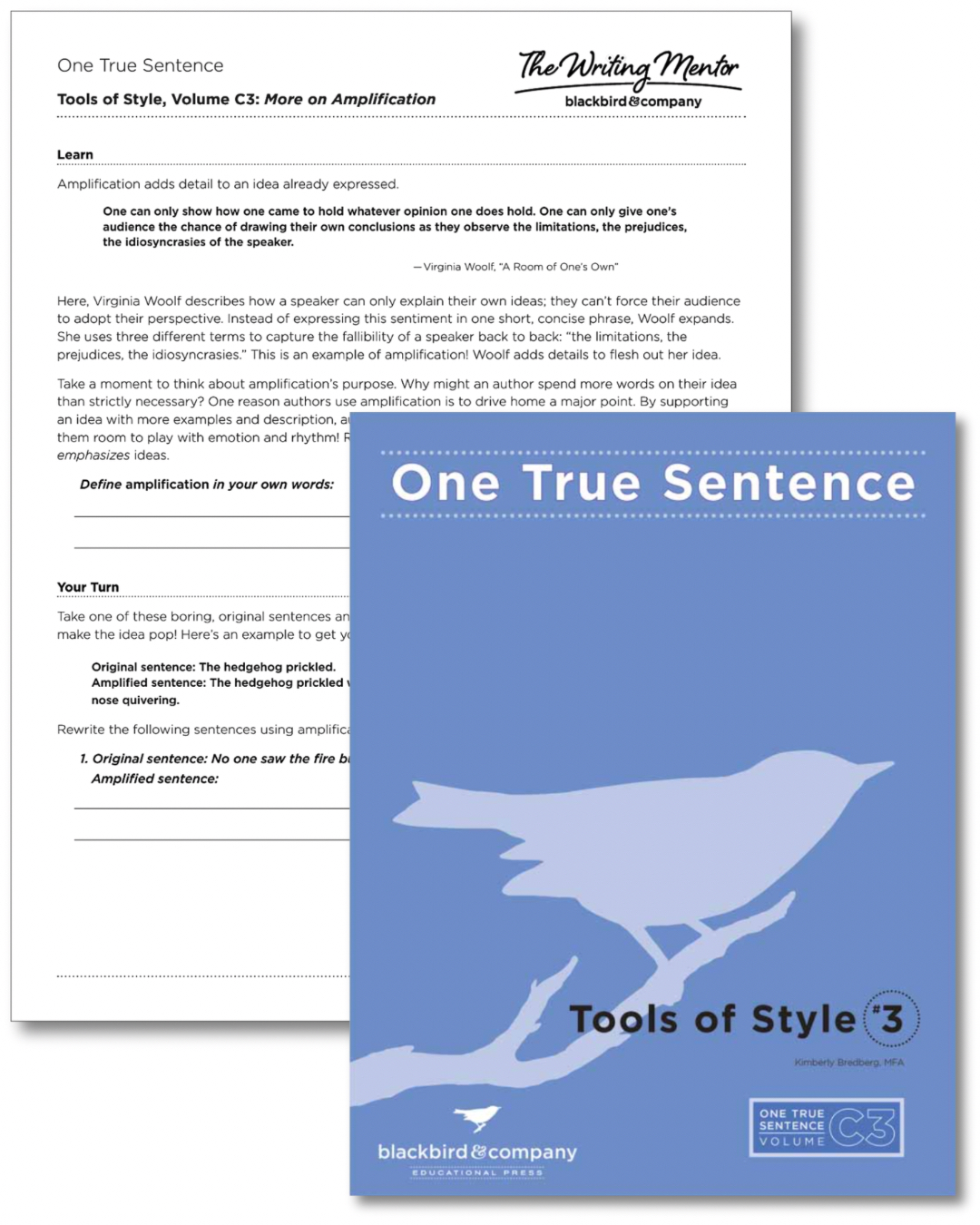
That’s where Blackbird & Company’s Tools of Style comes in. These guides provide training wheels to practice using rhetorical devices—the tricks writers use to tell their stories well. And newly supplementing our Tools of Style guides are the new downloadable Printshop resources, namely The Writing Mentor

By using The Writing Mentor in conjunction with Tools of Style, young writers learn to ride the proverbial bike in scaffolded increments. They start by watching someone else ride a bike, then get on it themselves with a parent’s steadying hands holding them upright, and pedal until suddenly they’re riding under their own power. 

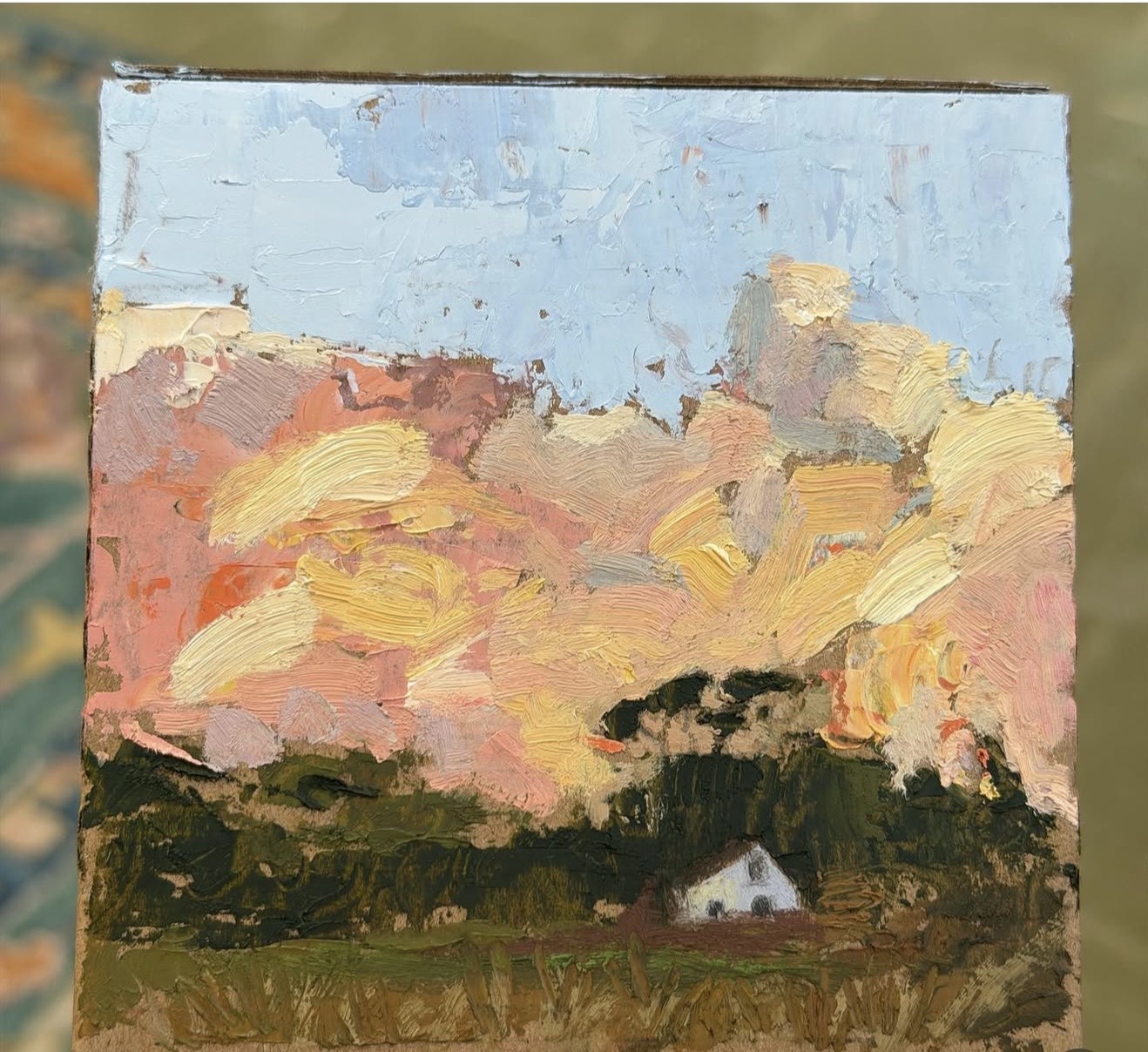
Perhaps the best guidance we can give our student writers, is to challenge them to write like a painter.

Imagery is vivid and descriptive—figurative—language that helps readers see pictures in their mind while reading. Take a look at Print Shop on the website, where you can download this Writing Mentor lesson, for a limited time, for FREE. Your students will learn through a masterful example of imagery. They will practice by sprinkling imagery into scaffolded sentences. And, ultimately, get creative by crafting five imagery-filled examples that. they will then shape one into a singular poem. 

If you can make your reader feel like they’re there, if you give them the means to smell freshly-cut grass and taste the tang of frozen yogurt on their tongue, you have accomplished something great indeed. Get into imagery—use The Writing Mentor!


~Claire S.

Posted on

Great Sentences Begin Here

Beginning Sentences 
One of the challenges of writing sentences is creating variety. Sometimes a short, simple sentence will do just fine, but there is something wonderful about a long luscious sentence! Let’s practice writing concise sentences with a punch of rhythm. In this beginning activity, let’s practice writing ideas into exceptional short and long sentences. Click through to this activity which will pair perfectly with students in CORE, Level 1 (3rd grade, or older struggling writers).

By now, you’ve likely heard about Print Shop for Primary students, kindergarten through 2nd grade. We are very excited that our first few Print Shop offerings for elementary and middle school are now live!

Introducing, The Writing Mentor

The Print Shop Writing Mentor will grow into a collection of exercises to help young writers write well. Great writing begins with words. Words combined well form phrases. And great sentences are made of wonderful words and fantastic phrases that communicate ideas articulately with precision.

Through the end of February, all our Writing Mentor lessons on Print Shop are FREE.

Intermediate Sentences
It’s easy to write the way we speak to our friends. However, when we write the way we speak, our writing can be confusing to readers. Writing like we speak often ends up in run-on sentences and sentence fragments. These distract the reader from focusing on our important ideas. Since, as writers, we want to make the reader’s job as easy as possible, it’s important to avoid run-ons and fragments! In this intermediate activity, let’s practice tightening up ideas into exceptional, concise sentences. Click through to this activity which will pair perfectly with students in CORE, Level 2 (4th or 5th grade, or older struggling writers).

Advanced Sentences
Stilted, awkward paragraphs are jarring to read. Reading one is like hearing a choir that is off key. They grate on the ears. They are repetitive and lack flow. In this advanced activity, we will practice tightening up ideas into exceptional, rhythmic sentences. Click through to this activity which will pair perfectly with students in CORE, Level 3 (6th – 8th grade, or older struggling writers).
~Kimberly
Posted on

Our Wonderful Alphabet: Ox, House, Stick!

When you consider that the alphabet plays such a HUGE role in our daily lives, consider the fact that most of us don’t know much about the history of those 26 letters!

Ox, House, Stick: The History of Our Alphabet tells the story of how the English alphabet came to be, starting way back in 2000 B.C. .

This book is full of intriguing tidbits. Did you know that the letter “A” was originally written in the Semitic languages to look like an ox head—turn it upside down and you will see a triangular head with horns! And did you know that the word “alphabet” comes from combining the first two Greek letters alpha and beta? Speaking of the alphabet, we all know the specific order of our alphabet. Every child learns the ABCs, no one learns the CBAs. This order goes back to Phoenician times, around 1000 B.C., and hasn’t changed much since. Why this order? No one knows!

The more I learn about the alphabet, the more enthralled I am by its history. These letters we write so casually have rich origins! This lovely little book makes a terrific supplement to our Print Shop ABCeDarian activities! So check out Ox, House, Stick and share it with students and friends to cultivate wonder in our alphabet. 


~Claire S.

Posted on

Print Shop for Elementary and Middle School

Campfire Tip #6: Offer Independent Writing Skills Practice

Print Shop is a Blackbird & Company New Year Resolution!

Print Shop downloads offers an awesome opportunity to set your students into independent writing activities.  We are building a collection of downloadable activities designed to engage students, 3rd through 8th grade, in focused, independent work pinpointed on specific writing academic skills with opportunities to build upon the fund of knowledge. Click through to see our offerings, and check back often this month as we add more bundles—lessons on crafting exceptional sentences, extras tied to Tools of Style, activities exploring etymology and so much more. Each downloadable activity comes with instructions. We are so excited to grow this offering!

Now through the end of January 2026 all  Print Shop downloads will be FREE!


~Kimberly

Posted on

Print Shop for Primary

Campfire Tip #5: Inspire Independence

Print Shop is a Blackbird & Company New Year Resolution!

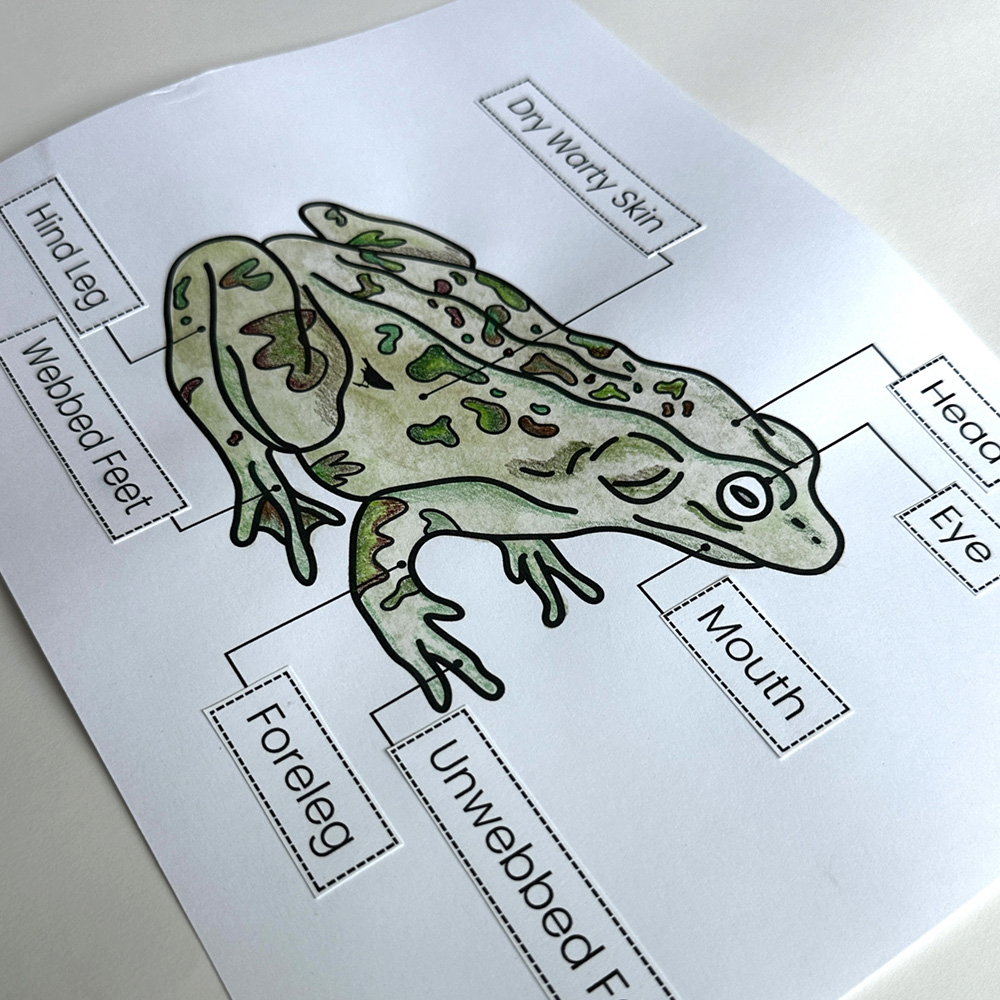
So what is Print Shop for Primary? It’s an awesome collection of downloadable Discovery activities designed to engage students, Kindergarten through 2nd grade, in focused, independent work pinpointed on specific academic skills with opportunities to build upon the fund of knowledge. Click through to see the first bundle of pumpkin activities, and check back often this month as we add more bundles—frogs and rainclouds and zippers and kites! And soon we will be adding an ABCeDarian Journal, beautifully illustrated by artist Sandra Ronda with dip pen and ink especially for your students to watercolor and learn from. Each downloadable activity comes with  a materials list and instructions. We are so excited to grow this offering!

Now through the end of January all  Print Shop downloads will be FREE!


~Kimberly

Posted on

Print Shop Coming Soon!


Come January, Blackbird & Company will be launching Print Shop!  Our awesome collection of downloadable Discovery activities are designed to engage students, Kindergarten through 8th Grade, in focused, independent work pinpointed on specific academic skills with opportunities to build upon the fund of knowledge.

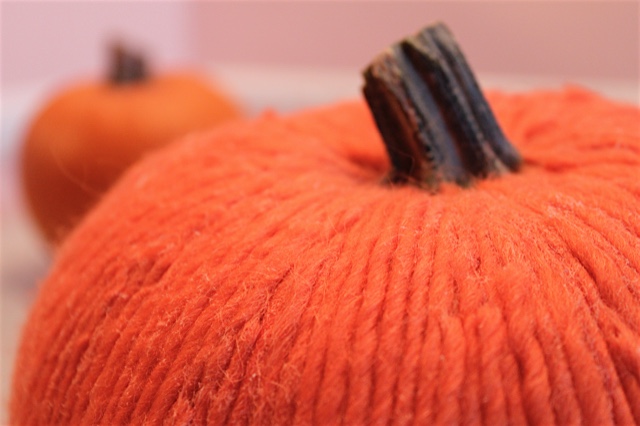
This month we are releasing a sneak peak, three great Print Shop activities for primary students tied to the letter P for FREE! What is more quintessentially Fall than pumpkins? These multi-sensory activities are sure to engage and enrich learning.

Simply click through, print, and let the Discovery begin!

And, please stay tuned for  more details during our January Campfire 2026.

Posted on

Fall Leaves for a Friendly Letter

It’s November and we’re celebrating the art of letter writing, let’s embellish!

Once you’ve composed a friendly letter first draft, it’s time to choose stationary. There are all sorts of envelopes and flat cards in many colors, shapes, and sizes available everywhere. Choose a shape and color that is perfect for fall. Accentuate these simple cards with a fall-themed crafty insert. What’s more symbolic of fall than fallen leaves?

The best place to begin is with a little exploration of fall science. Why do leaves turn from green to the colors of fall? In fall, days are shorter, sunlight is less intense, and temperatures are cooler. This causes leaves to stop photosynthesizing. When this happens the leaf’s  chlorophyll (the pigment that makes them green) breaks down, and its green turns to the beautiful yellows and oranges and reds that are quintessentially fall.

Let’s make some fall leaves!

ONE.

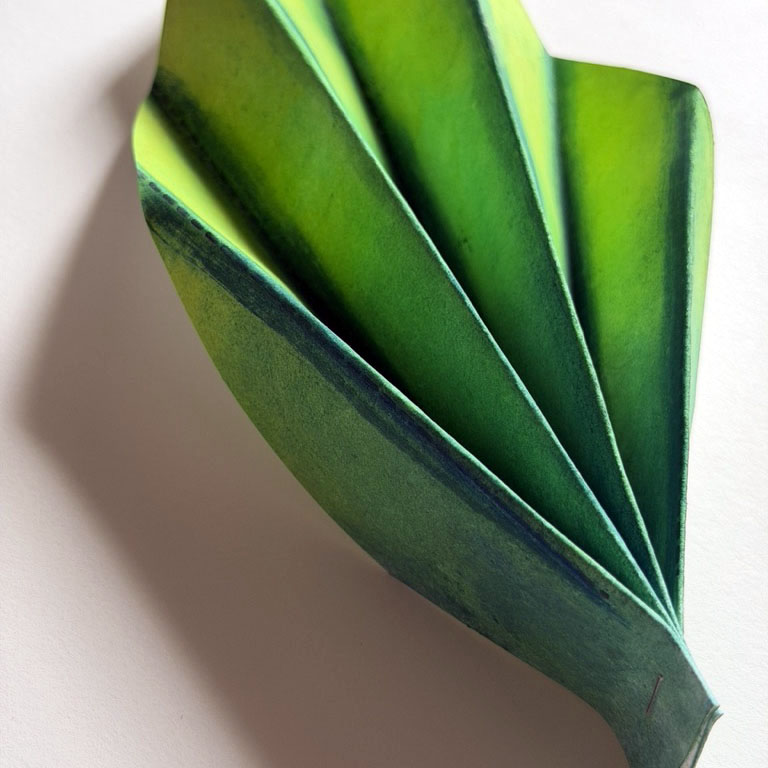
Begin with one sheet of watercolor paper. Cut it in two pieces then fold each into an accordion.

TWO.

Open the sheets back up and paint some fall colors.

THREE.

Once the paint is dry, draw a leaf shape and cut.

FOUR.

Now punch holes.

FIVE.

Now fold the leaf and staple the stem. Thread a piece of embroidery floss through the leaf stem to wrap the little leaf up for its journey to the recipient of your extravagant letter!


~Kimberly

Posted on 2 Comments

Q is for Quilt

I love it when the weather turns cozy.

Cozy means quilts and hot cocoa.

But you don’t have to wait for winter to enjoy a quilt.

Quilts make a terrific summer fort.

Quilt making is wonderful community, no matter the season!

When I’m wishing for cozy, I think of Q, and my favorite quilt stories come to mind:

The Keeping Quilt, by Patricia Polacco
Stitchen’ and Pullin’ by Patricia C. McKissack
Sweet Clara and the Freedom Quilt by Deborah Hopkinson
Luka’s Quilt by Gerogia Guback

So read a book, quilt a Q, and embark on a literary tradition!

~Kimberly