Posted on

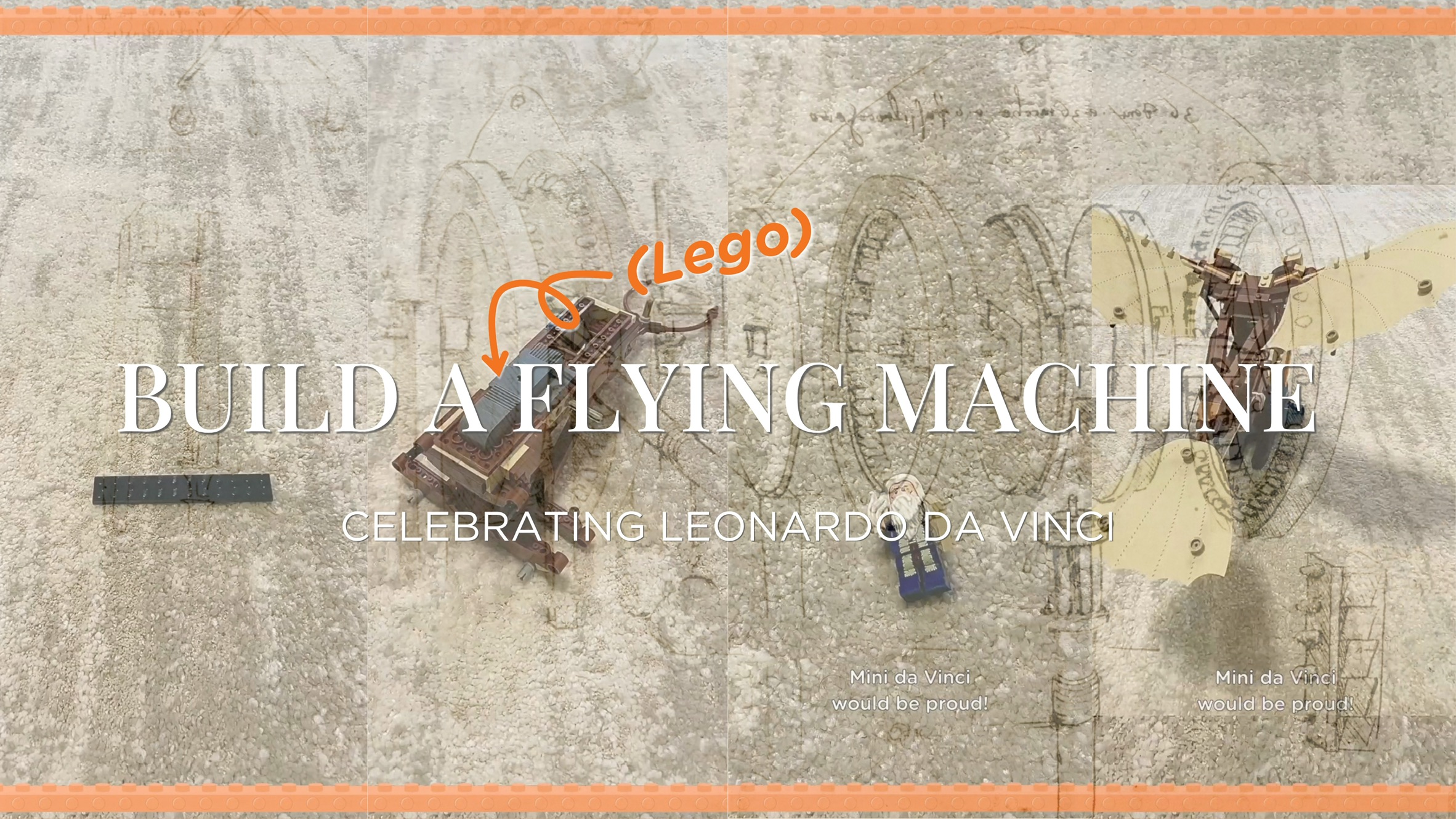
Leonardo’s Flying Machine

Campfire Tip #12: Be like Leonardo

Leonardo Da Vinci was a polymath (someone whose knowledge spans many different subjects and has an enormous body of knowledge.)

Look • Imagine • Create

Did you know that Leonardo Da Vinci was not only an artist but also an inventor? His sketchbooks included hundreds of ideas—catapults, flying machines, musical instruments, tools, water systems, and so much more! Leonardo dreamed BIG.

So how do we inspire our students to be like Leonardo?

It all begins with a book, a pencil, and our Leonardo da Vinci Observation Journal kit. Set your students on a Leonardo adventure. Observation begins with a question: What am I seeing? In a world filled to the brim with stimulation, it is easy to take our senses for granted. Though we are usually quick to have thoughts on things that we taste and smell, sight (of all things) can often be overlooked. We see so many things on a daily basis that it’s easy to forget to stop and really look.

Learn to think and create. This 20-lesson interdisciplinary unit guides students into biographical research of Leonardo. Students will read to discover and write what they glean. Each week they will be guided through observational exercises, and learn to draw from the Renaissance Man’s sketchbooks, encouraged each step of the way by our instructional videos that can be accessed at your convenience.

We are offering a discount on the unit through the end of January. Simply use the code DaVinci15 at checkout.

Enjoy the journey with Leonardo.


~Kimberly

Posted on

Struggling Writers: Filling the Gaps

Campfire Tip #11: Remediate to Read & Write

Does your student struggle to spell well? Stumble to decode simple words and phrases? Does your student struggle with lingering ELA COVID delays? Or do you have a student who just needs a bit more direct instruction, a bit more time and practice.

What if you had everything needed to engage your students in the process of remediating reading and writing skills at your fingertips? We’ve got you!


Click through to:  The Wonderful World of Phonics

Reading builds a rich vocabulary, grows our knowledge of the world, and sparks BIG ideas.

Writing begins with an idea and is crafted to words on a page by a courageous thinker.

Our open-ended unit provides you, the teacher, with all the tools necessary to guide your students into the wonderful world of phonics. Our curriculum, rooted in Orton-Gilligham wisdom, is user friendly and affirming for the older student who needs additional direct instruction and independent practice to shore up skills. Includes all you need to know about phonics, a placement guide, plus lesson guidance each step of the way.

Help your students dive into 2026 with the ELA tools that will enable them to read and write and think well!


~Kimberly

Posted on

One Bite at a Time: Long Research Writing

Campfire Tip #10: One Bite at a Time

“The only way to eat an elephant is one bite at a time,” or so the saying goes.

That’s also the mindset one must adopt when tackling the year-long research essay, known as Essay Volume 6: Advanced Research. This unit is designed for 11th and 12th grade students, representing the culmination of their research and literary writing skills. 

This school year marks my first foray into teaching Essay Volume 6. Over the last two sessions, I’ve learned a lot—and I’ve also fallen in love with this essay unit! It teaches life skills and writing habits that will stick with students for years to come. 

Is Essay Volume 6 a good fit for your student, either this coming year or years down the road? Here are some of my takeaways from teaching the long research project:

1. How It Works

Before we get into WHY I love Essay Volume 6, let’s go over what this unit entails. The Long Research Essay can be organized into two parts: the research process and the writing process. And conveniently enough, the guides are broken down into A and B volumes along the same lines. 

In the first half of the project, students choose a person, place, and thing they want to learn more about, unifying the three topics with a single theme (like creativity, truth, perseverance, or tragedy). Then they take a self-directed tour through the library and internet to find their sources and build a fund of knowledge. As I’ve taught this Pages class, I’ve given lessons on how to find and use credible sources—which is one of the most important skills in college writing—and expect students to present their research findings each week. This stretches their abilities in new ways!

In the second half of this course, students synthesize their research by writing and revising. Because they combine their person, place, and thing with their theme, they create a brand new narrative about their topics—chances are, no one has combined their topic and theme in the same way before! This is an exciting opportunity to apply a literary essay style to one’s own research.

2. Motivated Learning

A major principle of the psychology of memory is that we remember information that’s personally meaningful to us and struggle to remember information we don’t care about. You probably know this just from living life. 

Because Essay Volume 6 gives students so much creative freedom, they can choose to research topics they’re passionate about, transforming a potentially mundane research project into a motivated pursuit of knowledge. Writing doesn’t have to be boring. If you’re writing about the right things, it can be the most engrossing activity imaginable. 

For example, my student, Kingsley, has long been inspired by ballerina Margot Fontayne. She has a book about Fontayne’s life on her bookshelf that she’s never had the time to read. But Essay Volume 6 says, “Pursue your interests!” So that’s what Kingsley’s done. Choosing Margot Fontayne as her person to research, she’s taken a dive into this legendary dancer’s life, satisfying her curiosity and honing her research and writing skills. She finally had the chance to read her book!

When done right, research writing gives thinkers the chance to pursue questions they have about the world. 

3. Rising to the Challenge

Time and time again, I’ve seen this truth play out: Set high expectations and students will rise to meet them. 

The Long Research Essay is a daunting task. It demands self-discipline. Motivation. Consistency.

But, I believe our Blackbird students are more than up to the challenge. When students set big goals for themselves and then achieve them, they build their confidence one brick at a time. The impossible becomes possible. Students learn that they are capable!

The week-by-week scaffolding of Essay Volume 6 provides the framework necessary for students to soar to great heights. You don’t craft a masterpiece in one sitting; rather, you chip away at your work of art day by day, sometimes fueled by perseverance rather than inspiration. 

Let’s set some lofty goals. And then get to work. 


~Claire S.

Posted on

Editing Student Writing

writing

Campfire Tip #1: Empower Students to SELF-Edit

We’ve got you! Head over to Print Shop to download for FREE our student self-editing checklists—Writer’s ChecklistLevel 1, Writer’s Checklist Level 2, and Writer’s Checklist Level 3. These resources are designed for use with writers at three levels: Early Elementary (CORE Level 1), grades 3, sometimes 4 or 5 depending on the writer, Upper Elementary (CORE Level 2), grades 4 and 5, and Middle School (CORE Level 3), grades 6 through 8. At each level, the goal is for writers to re-read the first draft, the rough, and to self-edit, looking for issues ranging from indentation and capitalization to spelling errors, to run-ons and fragments and much more. The checklists will gently encourage writers to engage in writing as an artform and to raise their voice accordingly!

It’s important that we help students, early on, to engage in the process of writing—all the stages. Real writing is not a one-and-done activity. Real writing is sparked by curiosity, simmers in the imagination, and is brought to shape through a process of steps: brainstorming, writing it down, reading it over, self-editing, teacher-editing, refining, and polishing.

We’ll talk about role as Teacher soon enough… until then, hand your students a checklist and get them self-editing!


~Kimberly

Posted on

Moving BEYOND the Topic Sentence

Squirrels are everywhere. That’s for sure! Most young writers have had a squirrel encounter or two. Tapping into a rich storehouse of knowledge is a great place to learn to craft a HOOK—not a topic sentence, a HOOK! The best place to begin a writing lesson is to tap into what the writer knows and to read a book.

Nuts to You by Lois Ehlert is a gorgeous and simple story of a quintessential city squirrel who, naturally, zips mischievously through life. Told in lively rhyming verse with beautiful collage illustration, the book is sure to capture the attention of students. At the back of the book the author includes some terrific facts about squirrels. We chose five facts to focus on:

Five Facts About Squirrels

1. Squirrels are rodents

2. They have front teeth—incisors—that NEVER stop growing.

3. They live in big nests or hollow trees.

4. They have five toes on their front feet, four on their back.

5. Their bushy tail is as long as its body.


Often times, when facing the blank page, students are intimidated and resort to simplistic, and, well, let’s face it, BORING solutions! Young writers resort to what they have been taught: Open your paragraph with a topic sentence. This is not technically wrong. But we can BETTER equip them!

For example these perfectly fine topic sentence are boring:

Squirrels are cute animals.

Squirrels are everywhere.

And my least favorite topic sentence of all:

I am going to write about squirrels.

So how do we teach our students to make topic sentences sparkle and shine?

We teach the to transform the topic sentence into a HOOK!

To help them get there, I gave them a BIGGER squirrel fact: Did you know that squirrels are everywhere in the world except Madagascar and Australia? We looked at a globe together and marveled at this interesting fact!

Next, I asked them what kinds of noises squirrels make. I got some very fun responses, too! I told them that we writers like to create words that represent sounds and, when we do it’s called: onomatopoeia. They liked that word! Now it was time to craft a HOOK for our paragraph about squirrels.

“Let’s imagine what it would sound like if we could hear all the squirrels all over the world.”

We generated a significant list:

Barking, Chirping Squeaking Squawking, Whistling Scampering Scratching Gnawing Grinding, Rattling, Buzzing, Crying

Next I said, “Let’s include our BIG fact via an Em Dash,” and went on to remind them that this special punctuation mark helps the reader take a long pause while adding some important information to the sentence.

Now we had our fodder and were ready to craft a HOOK! Here’s were we landed:

They are chattering, chirping,  squawking  all over the wide world—everywhere except Madagascar and Australia.

That’s the way to open a paragraph about squirrels!


~Kimberly

Posted on

Crafting a Wonder-FULL Sentence is Courageous

Staring down the blank page is a courageous endeavor.

Where to begin?

We say: Begin with a BOOK!

BIG ideas are sparked by knowledge + curiosity.

“All you need to do is write one TRUE sentence,” so said great American author,  Ernest Hemingway. But what exactly did he mean? Let’s face it, accuracy of expression may be learned in a grammar book, but depth of expression begins when a writer decides to pick up a pencil and scratch an original idea onto a blank sheet of paper. The first, BEST lesson, is to teach your students that writing about wonder leads to wonderful writing.

Here are four ways to compose a wonder-FULL sentence about owls.

First let’s gather information.

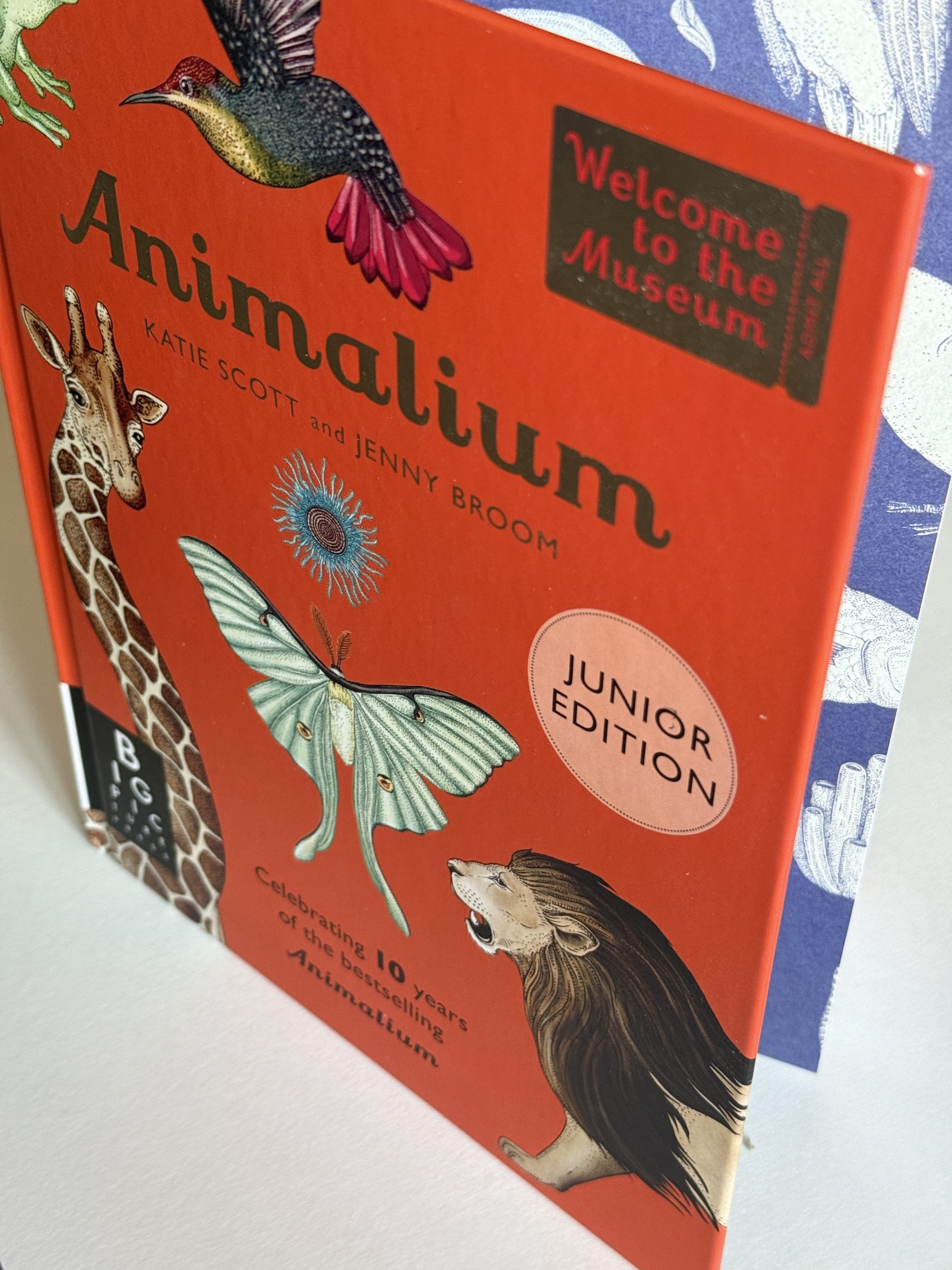
When faced with the blank page, first things first, press into food for thought. For this lesson, we dove into  Animalium for Kids, by Kate Scott and Jenny Broom. With over 160 specimens to explore in this wonderful biological compendium, we are narrowing our focus to Owls. We don’t need an exhaustive study here—this is a sentence writing exercise after all. We need just enough information to become curious and inspired to write. Getting ready to focus on composing even a single sentence requires gathering intriguing information.

The owl entry in this book is just enough to spark curiosity.  After reading, focusing in on the amazing illustrations, sharing what we found amazing about owls—storing new facts in our memory, adding to our growing knowledge of owls—we made a list:

  1. There are two main families of owls within the order Strigiformes: Tytonidae (barn owls) and Strigidae (typical owls).
  2. Huge owl eyes are stationary, fixed in their sockets—no eye rolling!
  3. Owls can rotate their head 270 degrees.

Next, let’s review the four types of sentences:

Statements are declarative. Statements tell us something.

Are questions interrogative? (Yes.) Questions ask.

Commands are imperative. Commands demand action.

Exclamations are exclamatory! Exclamations roar!

Now, let’s get writing.

A our first attempt at “NOW, let’s write a statement together,” I listened and wrote the group consensus on the board:

There are two types of owls, typical and barn owls.

Here’s where writing get’s fun! Add details, rearrange, think about word choice to make the above statement a tale that will turn heads. Follow the W Rule:

WHO, WHAT, WHERE, WHEN, WHY, to WOW the reader!

For this sentence, I had a basket of blocks all different shapes but only two colors that I poured out onto the floor, asking my students to quickly sort by color. We, obviously, ended up with two colors. Then I gave them another fact about owls—there are 200 species in the world—and asked them to help me add this detail to our statement. Here’s what the group came up with:

All 2 million owls in the world (200 species) can be sorted into two BIG piles—Strigidae (typical) and Tytonidae (barn owls).

Finally, let’s translate the statement to a question, command, and an exclamation:

Statement:

All the owls in the world (all 200 species) can be sorted into two BIG piles—Strigidae (typical) and Tytonidae (barn owls).

Question:

Isn’t it amazing that all 2 million owls in the world (all 200 species) can be sorted into two BIG piles—Strigidae (typical) and Tytonidae (barn owls)?

Command:

Please sort the 2 million owls, all the owls in the world (all 200 species) into two BIG piles—Strigidae (typical) and Tytonidae (barn owls).

Exclamation:

All 2 million the owls in the world (all 200 species) can be sorted into two BIG piles—Strigidae (typical) and Tytonidae (barn owls)—Wow!

There you have it, all four sentence types in one fell swoop! Once you’ve tackled this exercise a few times as a group, it’s easy-peasy to make it an independent activity—from gathering information to four TRUE sentences!  Ernest Hemingway would be proud.


~Kimberly

Posted on

Writer’s Voice and the Essay

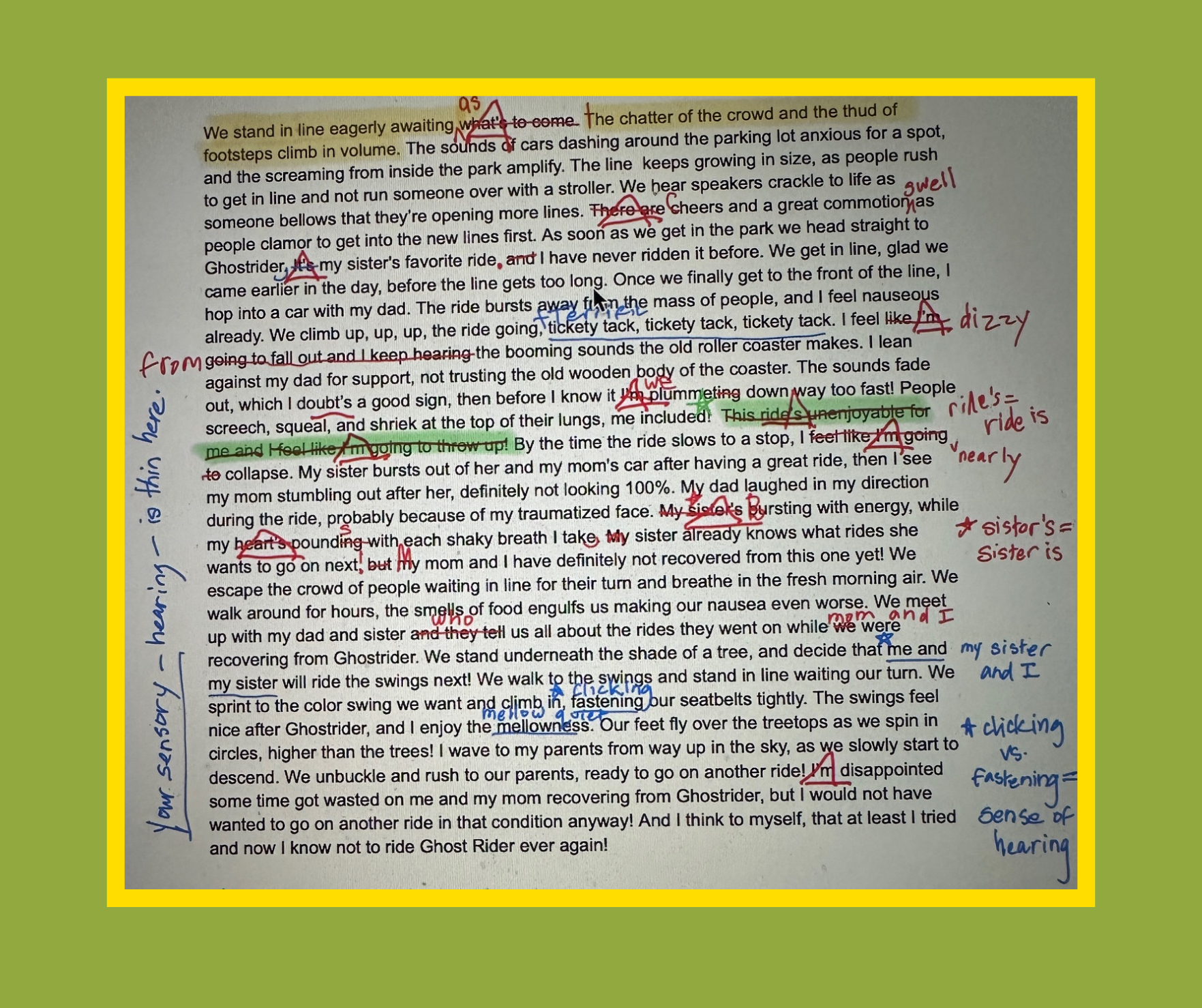
What is. There are. I am. These are passive phrases.

But what about: sister is and heart is? Well, these are passive phrases too!

When writers are constrained two ways—no passive verbs allowed and write an idea through the sense of sight—it’s rare that a passive verb doesn’t appear in the rough draft. Often times they peek in via contractions—what’s, it’s, she’s, the’ve and so on.

When this student opened the “sound” paragraph with,  “We stand in the line eagerly awaiting what’s to come,” my red pen formed a triangle around the culprit. “What’s” is “what is,” after all! There is a list in the student journal to help guide the omission of passive verbs.  Contractions are not listed, but rather, learned quickly!

So, back to that opening sentence. How do we help our students accomplish the task at hand? This was an opportunity to use an important writer’s trick—combine sentences. Voilà!

We stand in line eagerly awaiting as the chatter of the crowd and the thud of footsteps climb in volume.

After reading this refined, combined sentence your ears perk up! Right?

This paragraph is focused on detailing a scene through the sense of sound, and this is the perfect sentence to open the idea!

Introduction to Composition: The Essay, Volume 1 offers an opportunity for students to learn all about essay form and practice constrained writing. Each of the five lessons will explore specific traits of the essay—the thesis statement, topic and subtopics, the magic of three, body paragraphs, and how to open / close effectively. While students will not compose essays in Volume 1, they will engage in weekly writing activities to develop a strong voice. Writing an expanded paragraph through one particular sense without using a passive verb is not an easy task! But students will rise to the occasion and find their footing. At the end of the five lessons, students will be equipped with the tools they need to move into Volume 2 and Volume 3.


~Kimberly

Posted on

Bouquet of Red Pens

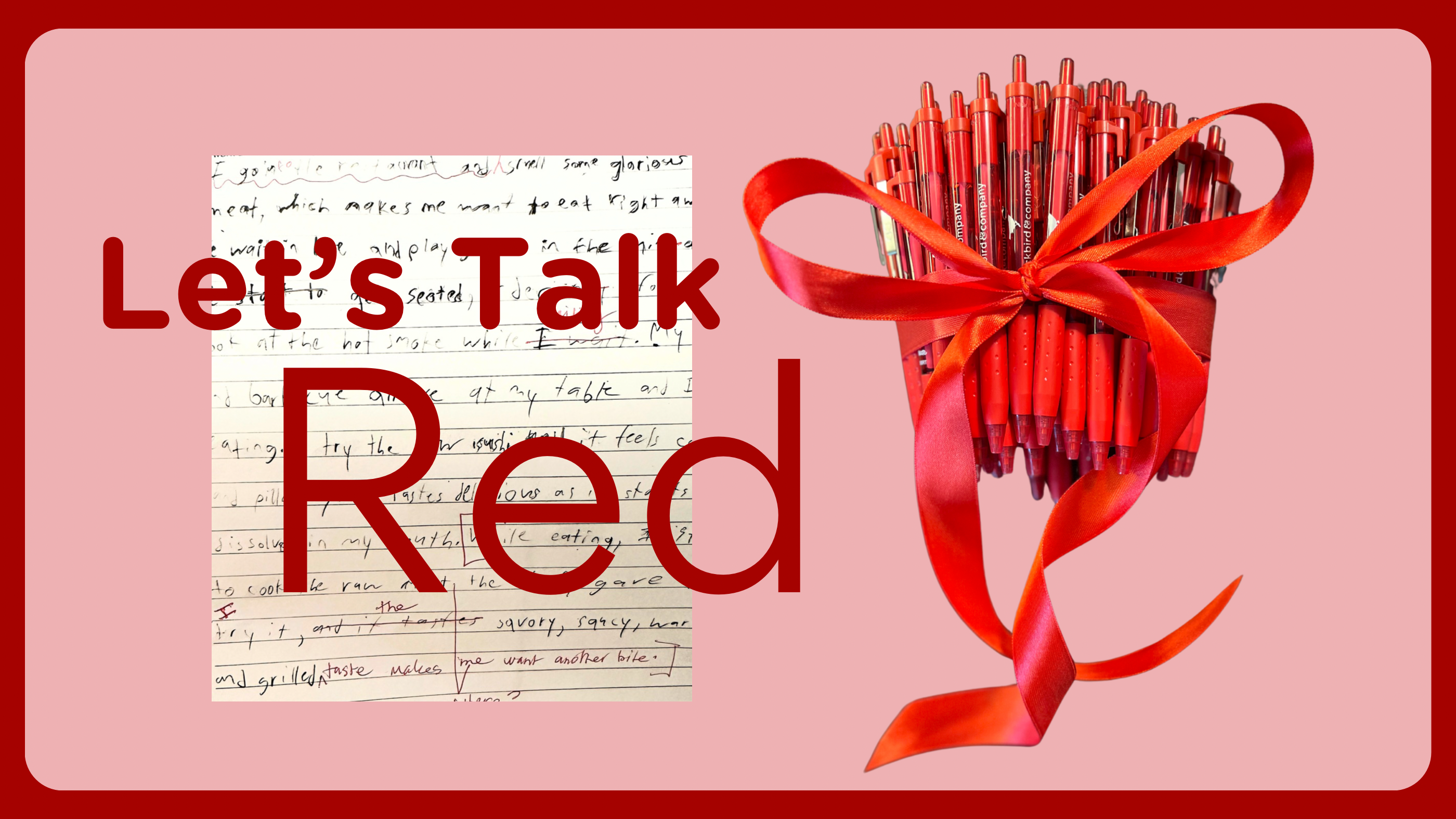
The first day of fall is just around the corner! It’s Back-to-School season. Likely your students are close to completing their first CORE journal of the year. Now’s the time to offer a lovely bouquet of red pens.

“What’s your big idea?”

The purpose of writing is to communicate an idea. In order to accomplish this goal, students need to develop the skills and confidence that will prepare them to communicate that idea well.

Teach your students early on to read what they write.

Take this a step further. Hand them a red pen!

Before conferencing with your students, encourage them to read their first draft and to indicate mistakes they catch with red marks. Encourage them to look for misspelling, capitalization, and grammatical errors. They might not catch everything, but you’ll certainly be surprised what they will catch. Once they are confident, challenge them to consider word choice, to rearrange phrasing, to strike through redundancy, and to avoid what we writers call waffle!

All writing comes into being through a process:
1. First comes the IDEA. Without an idea, the writer will simply stare at the blank page.
2. Once there is an idea in the mind of the writer, the pencil steps in to translate the idea to words on the page.
3. When the pencil’s work is complete, the job of the writer is to become a reader. Encourage your students to READ everything they write—absolutely everything! It is often best to leave space between the “draft” and the “read” stage.
4. Next, make sure students use the RED pen as they read through the first draft of their idea. Teach them to look for spelling errors, for capitalization errors, and for grammatical errors. Beyond this teach them to use strong words, to fearlessly re-arrange, and to not be afraid to strike through unnecessary words.
5. Lastly, teach them to polish the draft, preferably in cursive.

There is NO substitute for consistently encouraging your children to write their ideas. No matter the level, kindergarten through high school, make sure your students are equipped with a pencil and a red pen. We urge you to courageously coach your students in the process of writing! Teaching your students to engage in the process of constructing ideas—to read what they write and use their very own red pen—will certainly teach them more about writing than hours and hours of deconstructive writing tasks.

Come June, your students will have not only brought shape to significant original ideas, but also learned to enter into the work that makes those ideas shine. More importantly, they will have gained confidence in their ability to communicate. Writing an idea is genius.


~Kimberly

Posted on

Intersection of Science and Writing

Research writing for middle school moves from research of people to research in the field of science! Over the course of eight lessons, students will explore and research the diversity of the animal kingdom—journalling what they learn each step of the way.

Have you heard of Carolus Linnaeus?

His life’s work will inspire you.

All living things can be ordered according to their common biology. Classification allows scientists to explore levels of similarity, dissimilarity, and interconnectedness of cells, systems, and structures. The first level of classification is the Kingdoms. There are five: Protista, Monera, Fungi, Plantae, and Animalia.

Here’s how this writing unit is organized:

Week 1.

SORTING IT ALL OUT

The unit begins with an introductory section for students to begin gathering information that will enable them to enter into more advanced non-fiction research writing. In this case the culminating research writing is conducted in the five kingdoms of life, from simple living things to more complex—Kingdom Monera, Protista, Fungi, Plantae, and Animalia.

Week 2.

TAXONOMY THROUGH THE AGES

In this section, students will continue to gather information that will enable them to understand the history of classification which will, in turn enable the student to, beginning in Week 4, conduct more advanced research and write an expanded, information packed paragraph tied to one of the Five Kingdoms of Life. This week culminating research writing is biographical.  This assignment can, of course, be differentiated—from simple paragraph to expanded paragraph to essay.

Sample Prompt:

RESEARCH PROJECT

Read: Classifying Living Things
» Page 27 – Linnaeus and His System

After reading the above assignment, use books or the internet to do your own additional research on Carolus Linnaeus.

Use what you learn to write a paragraph about him on the following page.

Week 3.

THE FIVE KINGDOMS

Week 3 provides the final informational notes that will set students, geared up, to write about living things through the Five Kingdoms of Life.

Weeks 4, 5, 6 7, and 8.

Weeks 4 through 8 provides the scaffolding to enable students to conduct research in each of the five kingdoms—Monera, Protista, Fungi, Animalia, Plantae. While this unit is topical, the goal is not necessarily teach biology but to help students acquire the vital skill of note-taking and the knowledge necessary to write a non-fictional idea. Simply think of the student workbook filled with the student’s new knowledge (“the notes”) as a springboard to the writing. Each week the writing can be differentiated—simple paragraph to expanded paragraph. Expand the research two more weeks, compiling one paragraph for each week (4 through 8), add an introductory paragraph, plus a concluding paragraph and, voilà, at the end of week 10 your student has completed an essay entitled: The Five Kingdoms of Life.


~Kimberly

Posted on

Extending Storymaker

Storymaker teaches student writers to craft an amazing HOOK!

The HOOK is a topic sentence that inspires writers to write their ideas and encourages readers to read on. The subtle distinction we are making between the topic sentence and the HOOK is this: Think of a literal fishhook that catches the reader and makes them want to read on. A great HOOK might be charged with sensory details or concrete examples. It may be full of imagery and action!

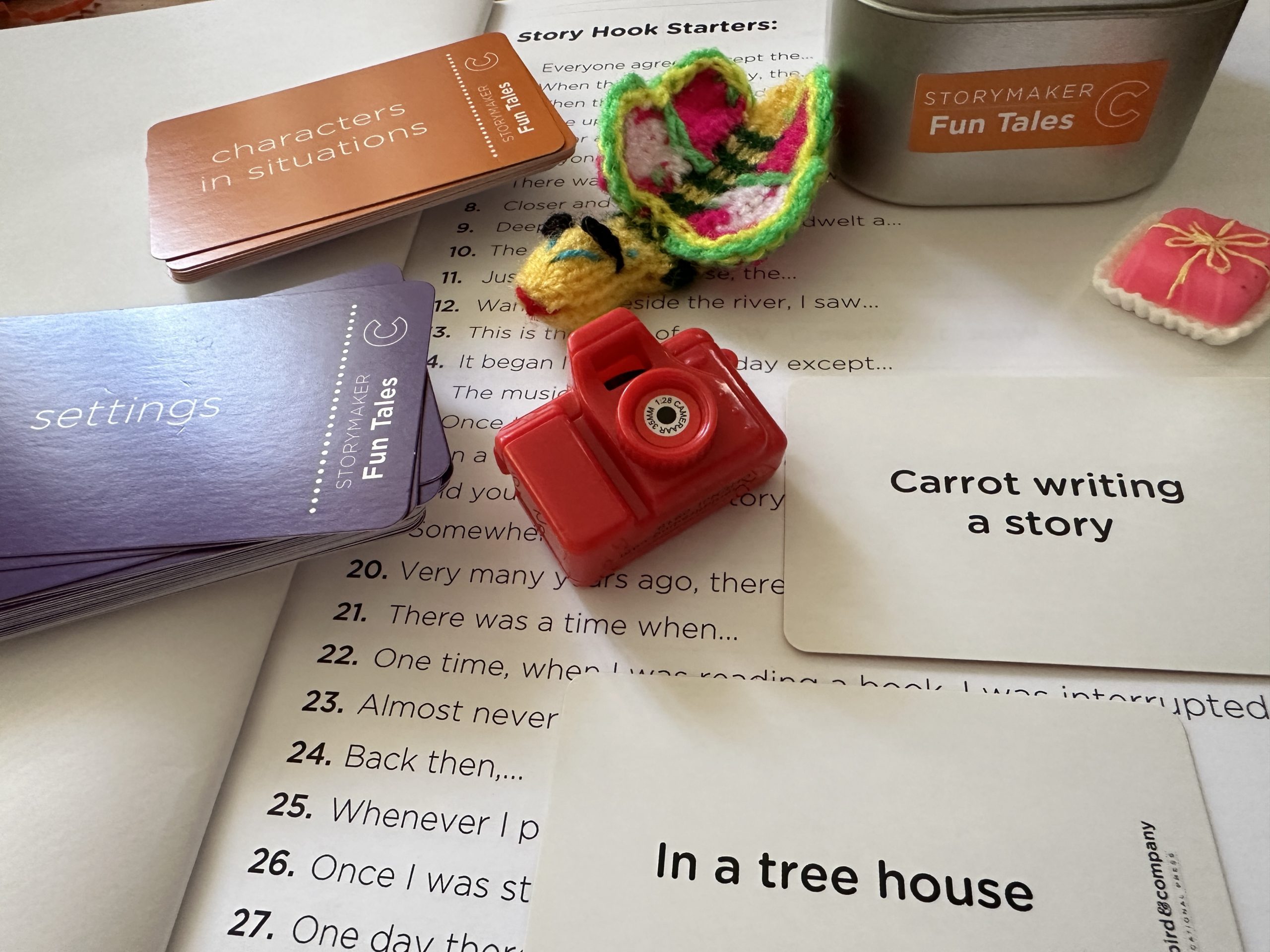
Storymaker is designed to HOOK 2nd, 3rd, and 4th grade students into the art of narrative journal writing. With three terrific thematic options to choose from—Farm Tales, Fairy Tales, and Fun Tales—the possibilities are endless.

Each week the primary goal is to craft a HOOK by combining:

One HOOK starter:  “Everyone agreed except…”

One Character in Situation card: “carrot writing a story”

One Setting card: “in a treehouse”

There are a myriad of possibility with these three parts! Encourage your students to play around with the phrases and to add, subtract or change connecting words. Here are a few possibilities:

1. Everyone agreed except the carrot writing a story in a treehouse.

OR

2. Everyone in the treehouse agreed except the carrot writing a story.

OR

3. Except for the carrot writing a story, everyone in the treehouse agreed.

OR

4. Except for the carrot writing a story about the treehouse, everyone agreed.

OR

5. Once upon a time, except the carrot writing a story in a treehouse, everyone agreed.

Remember to help your students think about the last sentence being just as important as the first. Remind them that the goal is for readers to be surprised, for readers to want to keep thinking about the story they just read. We call this the TWIST at the end. Here are a few endings that might hold up to the above HOOK:

In the end, as the carrot finished reading the story written in the treehouse aloud to all the other vegetables, there was a moment of collective silence and then a roar of whistles and clapping!

OR

Everyone agreed that Carrot writing the treehouse story was not a good idea, but in the end they all agreed they were wrong.

Sometimes, once the HOOK is composed, offering a TWIST for students to write toward helps them bring shape to an idea with a beginning, middle, and end.

Following are some ideas to be creative with story-making.

Create a Collaborative Story
Here the teacher begins collaborating on HOOK crafting as above on a whiteboard. This is the HOOK demonstration. Once the HOOK is settled upon, students copy it into the journal and the fun begins—What happens next?  Continue gathering ideas up to 5 story details composed together into sentences. Create one sentence to end—the TWIST.
Student creates the HOOK + 3 Story Detail Sentences & the Teacher Writes the TWIST at the end
Sometimes knowing that a treat is waiting at the end of the journey is all the motivation our student writers need!
Round Robin
Students each create an original HOOK in their journal.  Journals are passed around. Classmates reads what is written so far and adds a sentence in the friend’s journal. Keep passing  until there are 6 sentences including the Hook. Journals are then returned to the student to read and create a closing TWIST.


Everyone has stories to tell. Help your students tell them well the fun way with Storymaker.


~Kimberly