Posted on

Spring into Writing: Introducing The Writing Mentor

Style is one of the most important elements of writing—but how can you teach something that’s so personal, so impossible to quantify? It can feel like trying to explain Yosemite to someone who’s never seen a mountain or forest. Or describing how to perfect banana bread to someone without a sense of taste. 

That’s where Blackbird & Company’s Tools of Style comes in. These guides provide training wheels to practice using rhetorical devices—the tricks writers use to tell their stories well. And newly supplementing our Tools of Style guides are the new downloadable Printshop resources, namely The Writing Mentor

By using The Writing Mentor in conjunction with Tools of Style, young writers learn to ride the proverbial bike in scaffolded increments. They start by watching someone else ride a bike, then get on it themselves with a parent’s steadying hands holding them upright, and pedal until suddenly they’re riding under their own power. 

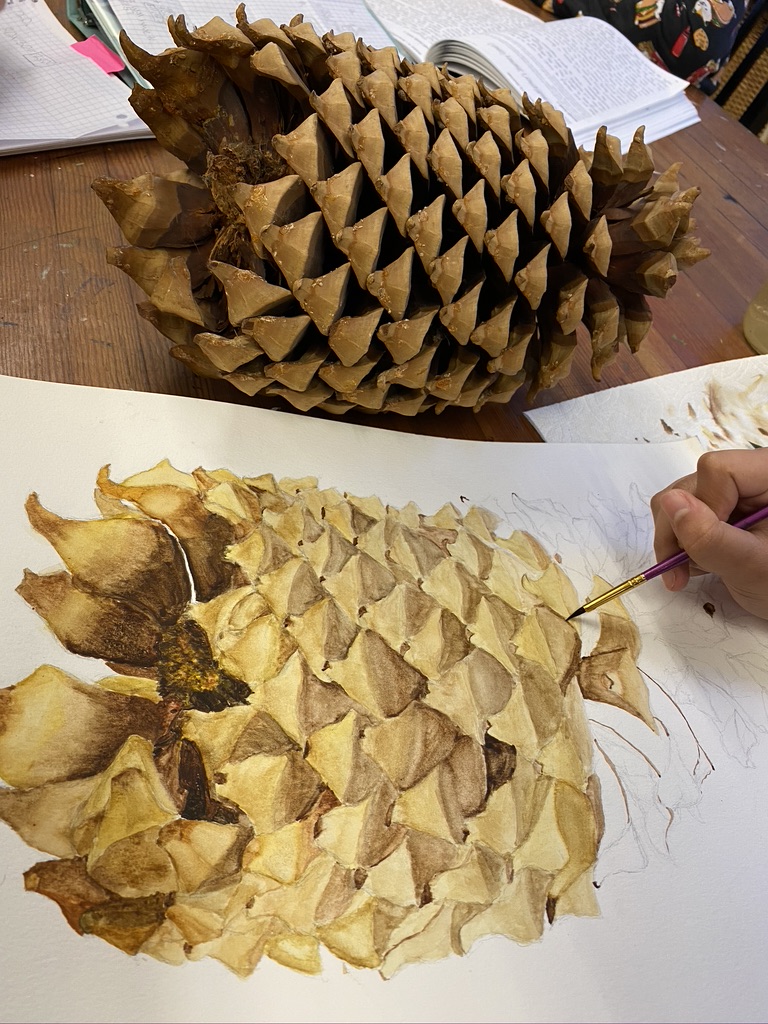
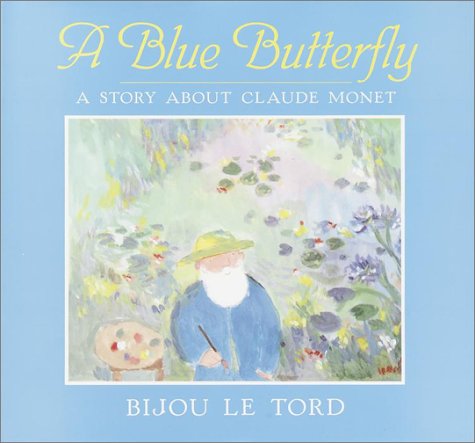
Perhaps the best guidance we can give our student writers, is to challenge them to write like a painter.

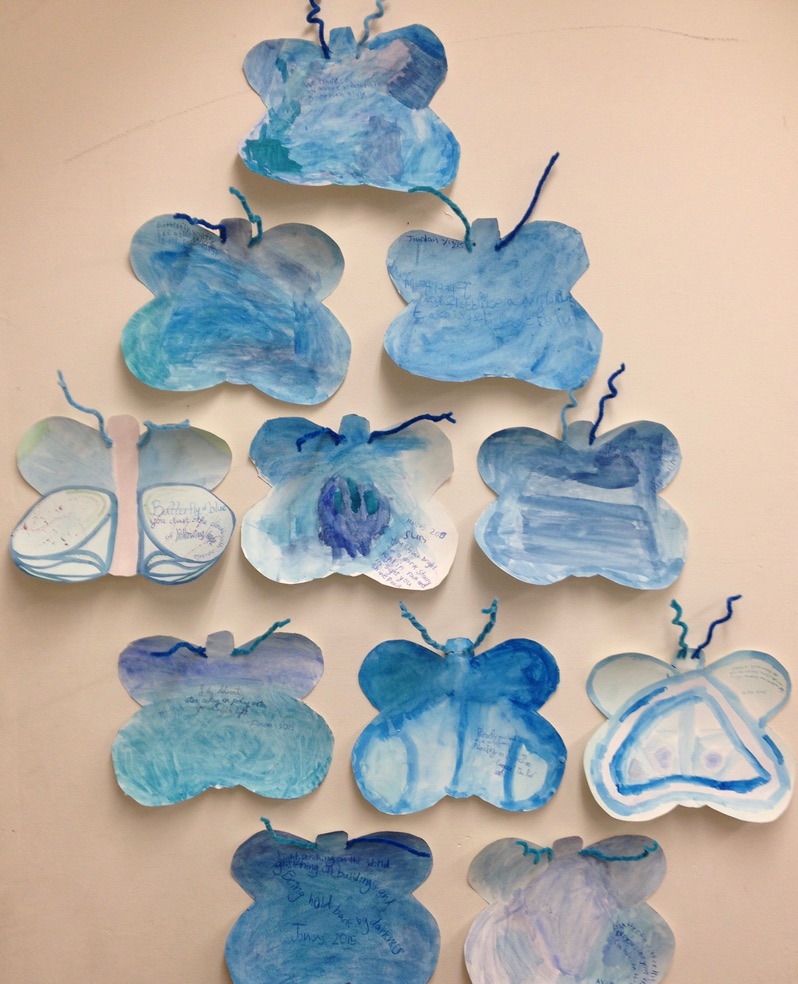
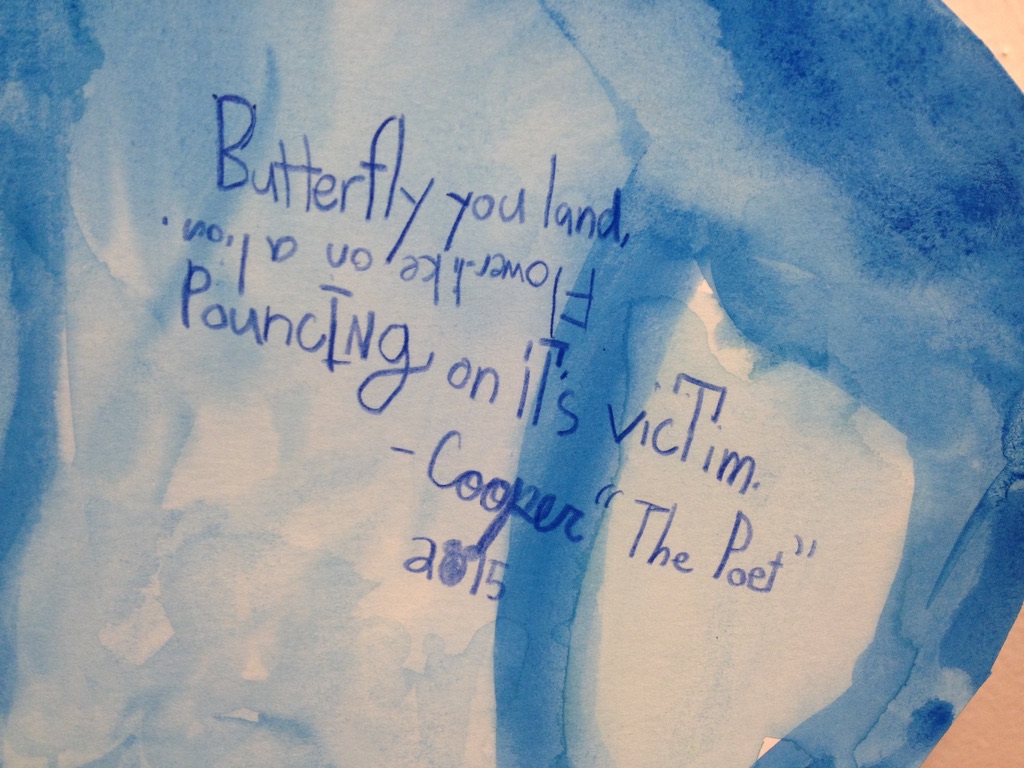
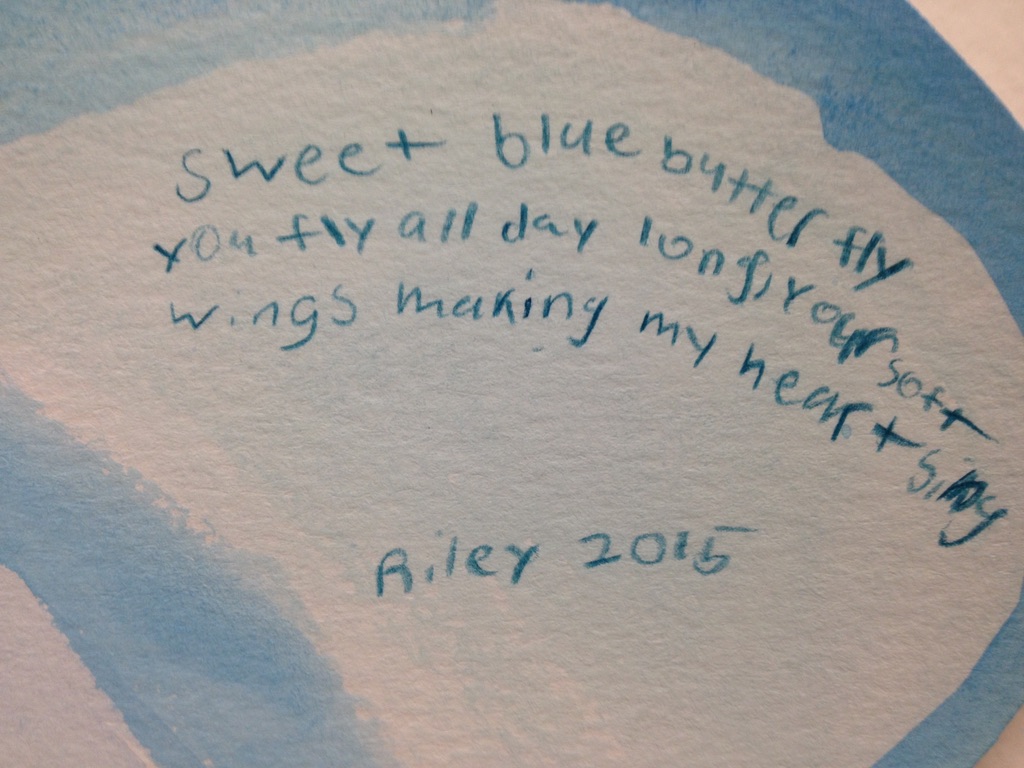
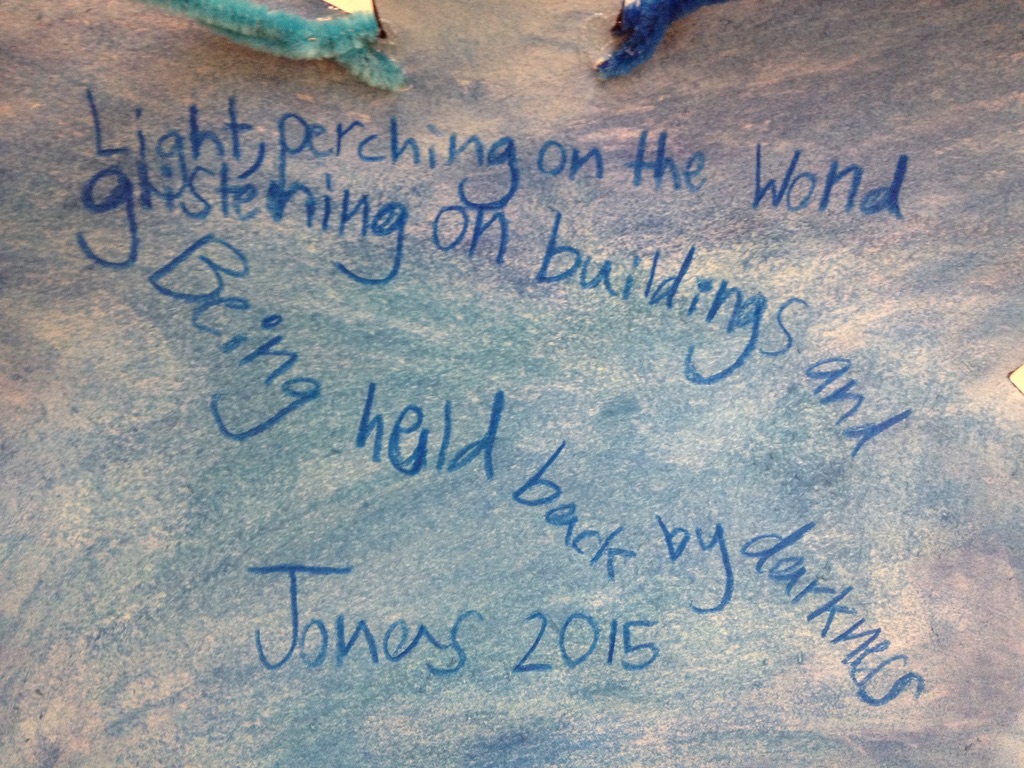
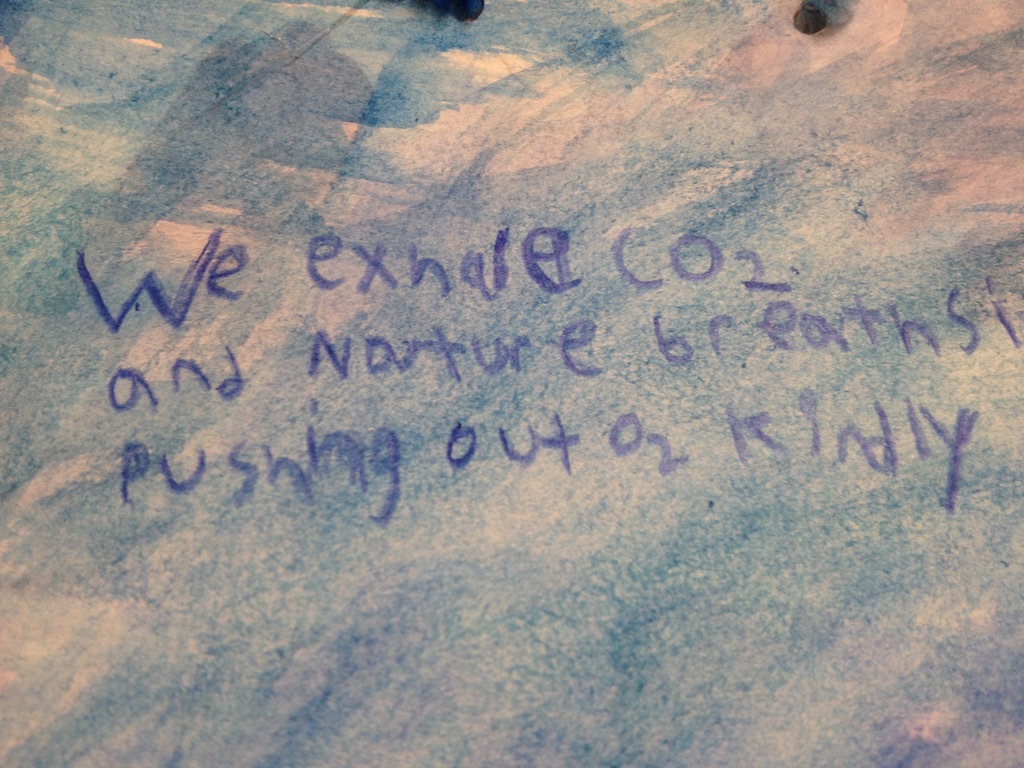
Imagery is vivid and descriptive—figurative—language that helps readers see pictures in their mind while reading. Take a look at Print Shop on the website, where you can download this Writing Mentor lesson, for a limited time, for FREE. Your students will learn through a masterful example of imagery. They will practice by sprinkling imagery into scaffolded sentences. And, ultimately, get creative by crafting five imagery-filled examples that. they will then shape one into a singular poem. 

If you can make your reader feel like they’re there, if you give them the means to smell freshly-cut grass and taste the tang of frozen yogurt on their tongue, you have accomplished something great indeed. Get into imagery—use The Writing Mentor!


~Claire S.

Posted on

Just Sit Down and WRITE!

“The BEST thing is just to write; to sit down and write, to begin doing it and not to be scared by the blank page.”                                                      ~David Almond

As we SPRING into writing, it’s always good to take advice from the authors we are reading. Let’s fact it. The blank page is intimidating. David Almond has experienced this and is generously encouraging us to stare down that blank page and to fill it with our ideas. This is, first and foremost, what writing is all about. Grammar and mechanics, and syntax and style follow.

Writing is a courageous process.

David Almond goes on to remind us that our ideas are a gift, “We have each other, and our stories twist and mingle like the twisting currents of a river. We hold each other tight as we spin and lurch across our lives. There are moments of great joy and magic. The most astounding things can lie waiting as each day dawns, as each page turns.”

He reminds us to explore, “Writing will be like a journey, every word a footstep that takes me further into undiscovered land.”

He reminds us to be brave, “We have to allow ourselves to see what there is to see, and we have to imagine.”

He reminds us to play, “And what is wrong with playing with words? Words love to be played with, just like children or kittens do!”

Then, he gets to the crux of it: “Then what shall I write?

I can’t just write that this happened then this happened then this happened to boring infinitum. I’ll let my journal grow just like the mind does, just like a tree or beast does, just like life does. Why should a book tell a tale in a dull straight line? Words should wander and meander. They should fly like owls and flicker like bats and slip like cats. They should murmur and scream and dance and sing.”

I love that: “Words should wander and meander.”

When we read books, we are inspired. We grow our precious fund of knowledge. But we also, if we dare listen, learn valuable lesson about the art of writing!
~Kimberly
Posted on

Let’s Spring into Writing

During the month of March we will be offering strategies to support and inspire your writing students.

Our spring stories bundle for 2nd grade is a wonderful place to begin. As is the case with all the Earlybird units, your students will explore five wonderful books, journalling their way through each story. They will explore wonderful words, learn to describe how characters think, act, and feel. They will be supported in constructing sentences that re-tell the plot. And, they will bring shape to a small weekly idea.

Journalling about great stories, overtime, builds strong skills in young writers as they spring into writing!

~Kimberly

Posted on

Submit Soon!

Submissions are open NOW through June 5, 2026.

Writing is an artform that is meant to be read by a reader! Blackbird & Company Educational Press is proud to announce a call for submissions to student writers, Kindergarten through 12th grade, who courageously write from the heart using our curriculum.

The theme of Reveal 2026? Our students’ big ideas! This journal’s name—Reveal—captures the idea that every piece of writing is a revelation about the author, both in terms of what they stitch together in their imagination and what they send out into the world.

And the bonus? Submit work early, by March 31, 2026 and you will be automatically entered to win a Solo Stove Campfire kit.

For added inspiration, here is a published piece from Reveal 2025 crafted by Hadleigh R. as she worked through Introduction to Composition: The Essay, Volume 1. Notice—not a single passive verb throughout! Enjoy!

The Whirligig

Catching a glimpse of my sister waving at me from the corner of my eye, I hustle across the lush lawn of the rest stop to join her and Jagger at the workout/playground area. A tarp covers the playground to protect it from the Texas sun, making an excellent place to rest. Unlike most play structures, this one is metallic and sturdy, perfect for a teenager hoping to enjoy some quality time with her younger siblings at the rest stop. They wave their hands excitedly from the top of the highest structure as I come closer, but I don’t plan on climbing it and making a fool of myself, so I beeline for a small green circular platform with a wheel for holding on. I should be able to keep an eye on them from there. But when I step onto it, gripping the wheel for balance, I realize I missed an important detail. The dais is tilted so that whenever someone steps onto the platform, they start to spin, their weight fueling the centrifugal force. In a single second, the world whips around me at full speed, blurs of green and brown as I spin faster than I imagined possible. I glance down at my hands, which seem to be the only things around me not twirling. My fingers squeeze tight to the metal, not daring to let go. Only yards away from me, my mother walks our mutt. I yell for help, but she doesn’t seem to hear me as my view of her whips by again and again. Closing my whirling eyes, I spin alone in a vacuum chamber of blackness. When my mom shouts my name, I open my eyes to the swirling colors again, summoning the courage to leap from my imprisoned state. Facing my fear of twisting my ankle, I leap from the apparatus, stumbling to lean giddily on the now-motionless handle as the world still spins. Once it slows, I lurch around to come face-to-face with a concerned-looking mother and her two, small, openmouthed children. Smiling weakly, I apologize, loping away as fast as I dare, my siblings following close behind.


~Kimberly

Posted on

Great Sentences Begin Here

Beginning Sentences 
One of the challenges of writing sentences is creating variety. Sometimes a short, simple sentence will do just fine, but there is something wonderful about a long luscious sentence! Let’s practice writing concise sentences with a punch of rhythm. In this beginning activity, let’s practice writing ideas into exceptional short and long sentences. Click through to this activity which will pair perfectly with students in CORE, Level 1 (3rd grade, or older struggling writers).

By now, you’ve likely heard about Print Shop for Primary students, kindergarten through 2nd grade. We are very excited that our first few Print Shop offerings for elementary and middle school are now live!

Introducing, The Writing Mentor

The Print Shop Writing Mentor will grow into a collection of exercises to help young writers write well. Great writing begins with words. Words combined well form phrases. And great sentences are made of wonderful words and fantastic phrases that communicate ideas articulately with precision.

Through the end of February, all our Writing Mentor lessons on Print Shop are FREE.

Intermediate Sentences
It’s easy to write the way we speak to our friends. However, when we write the way we speak, our writing can be confusing to readers. Writing like we speak often ends up in run-on sentences and sentence fragments. These distract the reader from focusing on our important ideas. Since, as writers, we want to make the reader’s job as easy as possible, it’s important to avoid run-ons and fragments! In this intermediate activity, let’s practice tightening up ideas into exceptional, concise sentences. Click through to this activity which will pair perfectly with students in CORE, Level 2 (4th or 5th grade, or older struggling writers).

Advanced Sentences
Stilted, awkward paragraphs are jarring to read. Reading one is like hearing a choir that is off key. They grate on the ears. They are repetitive and lack flow. In this advanced activity, we will practice tightening up ideas into exceptional, rhythmic sentences. Click through to this activity which will pair perfectly with students in CORE, Level 3 (6th – 8th grade, or older struggling writers).
~Kimberly
Posted on

Valentines and Letter Writing

Valentine’s Day is the perfect opportunity to craft a letter by hand!

A card and letter—the kind that is written by hand—is a true kindness, a keepsake.

This offering can take many forms. Original poems are little gems that pair perfectly with a sweet Valentine card! Terrific poems start with smart sentences. Read how by clicking through, then encourage your students to practice poetry.

For longer Valentine’s Day messages, our FREE Letter Writing will scaffold the activity each step of the way.

And, when it comes time to putting  an original poem or letter into the polished draft ready for the card itself, check out our Letter Forms activity.

Remember, handwritten sentiment is a beautiful gift!


~Kimberly

Posted on

The Winter Mitten

earlybird winter bundle

Winter. We are in the midst of it.

The Mitten is a Ukrainian folk tale from the 19th century that has been translated into many languages. In our house we read Jan Brett’s beautifully illustrated tale over and over. This said, when it came time to curate our Earlybird Winter Stories bundle, we chose a lesser known author, Alvin Tresselt, originally published in 1964, and illustrated by Yarroslava Sills. Even though he won the Caldecott for White Snow, Bright Snow in 1948, his most popular book is The Mitten.


After Journalling through the Earlybird unit, your student will be more confident writing character descriptors, exploring new vocabulary, and crafting sentences in collaboration with the Student Journal. At the end of Earlybird Winter Stories, students choose a favorite book and create a Section 5 project. This little “Maker” enjoyed collaborating with his mama!


Pick up a copy of the unit and add some warmth to the long, chilly winter days!


~Kimberly

Posted on

Pockets versus Aprons

“You can’t fit a square peg into a round hole”, my friend shared this idiom when I was trying to teach my daughter to read the traditional way I had been taught, despite her learning differences.

I remember feeling insulted. Then hurt. Then really, really sad. But during this process of feelings, I began opening my eyes, hearing and seeing my daughter and the beautifully different way she learned and approached the world. What was even more amazing was I started to discover the way I learned. Again, I went through feelings of pain and grief, for the little girl—me—that was not really seen or heard. For the little girl I was so hard on while I was in school, because I couldn’t understand why I couldn’t “get” certain things. I have lived through a lot of labels—most were given to me by me.

I was recently given the book, Katy No Pocket, by Emmy Payne. I had never read the book but it looked so familiar to me. I realized the illustrator is the author/illustrator of Curious George, who I grew up loving. I passed on that love to my children.

Katy, the Kangaroo, is sad—she has no pocket to carry her son, Freddy. She watches all the other mothers being able to pick up their children and carry them in their pocket. Katy cries. Her son Freddy cries. And then Katy has an idea. She is going to ask other animal mothers how they carry their babies. She starts with the Alligator that carries her child on her back. Katy tries this but realizes her sons’ legs are too short to wrap around. The monkey tells her to hold her baby in her arms, but that can’t work for her because her arms are too short. The search continued—lion cubs walked, birds were pushed out of their nest and flew. None of these worked for Katy. So, Katy went to visit the wise owl who told her to visit the city and buy a pocket. Katy did as the owl suggested. And who does she see walking down the street? The man with the apron with many pockets for his tools!

And, to the delight of children and adults alike, the man happily hands over his apron, dumping all the tools out of the pocket right there on the street! Katy is so happy. Her son Freddy pops right into a comfortable pocket in the front and she hops away.

When she returns home, she realizes she had enough pockets to help care for other young animals when they needed a lift or their moms are busy. Katy is generous.

And the story ends happily ever after  because now, “SHE HAS MORE POCKETS THAN ANY MOTHER KANGAROO IN THE WORLD.”

I relate to this story of feeling different and searching for the answer. I am a differently-abled person. I have one arm. I wasn’t born without it, I lost it in an accident when I was 14 years old.

Every time I would do something new after I lost my arm, I would have to think of a new, creative way of to tackle the task. There was not a road map or someone to ask. I don’t know about you, but I haven’t met many amputees. Still, I gained confidence over the years after I lost my arm, realizing I would figure things out. Most of the time it simply took time and practice.

When I found out I was going to be a mom for the 1st time, it was 18 years after I lost my arm and I found myself really scared. I was studying other moms, and I saw them struggling with 2 arms, how in the world would I do this with one. My whole pregnancy, I watched, listened, read, and interviewed other moms looking for my missing pocket.

I had a friend who directed me to a support group for amputees. It was there that I met another mom, who had one arm and recently had a child. She starting writing to me and sharing what she did. To date myself, we became pen pals. I still have her letters and pictures to this day in my daughter’s baby album. She gave me my first apron, so to speak, but I had to make it mine. I bought and did some of the things she suggested. But I also did what came instinctually to me. Along the way I found apron extensions, I had a collection of slings that became my other arm to help hold my babies. I always had a canvas bag or a purse that rested across my body that held a drink or snacks. And like Katy, I found I could help by carrying other moms’ little ones as need be when I had an extra pocket.

I stopped looking outward for answers and looked within.

I stopped comparing what other people’s pockets looked like and started appreciating and sharing mine.

Flash forward to where we began….. mother of a child with learning differences. I realize I was doing many of the same things I did on my physical journey of finding my pockets. I was watching, listening, reading, and interviewing other moms on what their kids could do when it came to reading and writing. My beautiful daughter was coming up short. After traveling to mom to mom, asking what they did, someone directed me to the city. Maybe, just maybe, someone had my apron. I had my daughter evaluated, I learned that her learning differences had names. Her journey, her pocket, was going to look different. No one could give me the template or pattern. I stopped trying to copy someone else and instead met my mentors, learned some strategies, tips, listened to my daughter, and followed my own instincts. I found my apron extensions and tuned the rest of it out! In time, after working with my daughter, I can, at last, at share what I learned. I have some extra pockets for other moms out there still searching.

You can’t fit a square peg into a round hole, but you can create a place for the peg to fit. Blackbird & Company introduced to me the process of differentiation. I was able to place my daughter in the level that would meet her where she was at and build on those skills to ultimately build her confidence.  In simple terms this means taking material and adapting it to meet your student where they are in their learning journey. Scaffolding them along the way, giving them training wheels, building stamina until they can take off and fly. I could break material into smaller sections for my daughter, dive deep into discussion, start with dictation and copy work, using the book as a teacher, a mentor, motivating her to write by using the personal writing prompts. My daughter learned to have a voice and knew what she had to say mattered.

Stories can help us learn about ourselves, make sense of our experiences, grow into who we want to be. The stories we tell ourselves about ourselves can sometimes clip our wings and at other times help us soar. We don’t need to learn or write like everyone else, there is no one “right” way. We need to find our own pockets, do our important work, and find our own voice in our own way.

“A bird doesn’t sing because it has an answer; it sings because it has a song.”

                                                                                ~Maya Angelou


~Clare B

Posted on

Our Wonderful Alphabet: Ox, House, Stick!

When you consider that the alphabet plays such a HUGE role in our daily lives, consider the fact that most of us don’t know much about the history of those 26 letters!

Ox, House, Stick: The History of Our Alphabet tells the story of how the English alphabet came to be, starting way back in 2000 B.C. .

This book is full of intriguing tidbits. Did you know that the letter “A” was originally written in the Semitic languages to look like an ox head—turn it upside down and you will see a triangular head with horns! And did you know that the word “alphabet” comes from combining the first two Greek letters alpha and beta? Speaking of the alphabet, we all know the specific order of our alphabet. Every child learns the ABCs, no one learns the CBAs. This order goes back to Phoenician times, around 1000 B.C., and hasn’t changed much since. Why this order? No one knows!

The more I learn about the alphabet, the more enthralled I am by its history. These letters we write so casually have rich origins! This lovely little book makes a terrific supplement to our Print Shop ABCeDarian activities! So check out Ox, House, Stick and share it with students and friends to cultivate wonder in our alphabet. 


~Claire S.

Posted on

Twelve MORE Tips for the Road

And just like that, our time around the virtual campfire is coming to a close.

Though you may not have been able to warm your hands, my hope is that something on the blog warmed your heart. Thank you for pulling up a chair around the campfire—and keep an eye on the blog as we forge on into 2026 with ways to help your students become wonder-filled, confident readers and writers. 

But before we let our 4th Annual Campfire burn down to embers, here are twelve MORE tips to give you one last push into the new year.

ONE. BOOK TALK

Students shouldn’t just read out of obligation—they should read out of intrigue! One way to foster interest in books is by talking about them. And I don’t necessarily mean talking about themes or overarching arguments or literary devices. I mean some good old fashioned chit chat. Which characters did you like? Who annoyed you? What was the most interesting part of the story? Peeta or Gale? (Well, maybe only ask this if you’re reading The Hunger Games). Make book talk a normal conversation in the home or classroom. Books are exciting!

TWO. ENJOY THE JOURNEY

As educators and publishers, believe it or not, we’re not in the business of product. We’re in the business of helping students engage in processWhere students end up isn’t as important as how they get there, because the journey is where students experience growth. Learning happens in the in-between spaces. 

THREE. BOOKS AS MENTORS

Which writers do you admire? Might it be someone like Robert McCloskey, Roald Dahl, Katherine Paterson, or John Steinbeck? These authors would probably be tough to get ahold of as writing teachers (especially since three of the four have passed away) but fortunately for us, they left behind writing mentors: their books. Teach your students to treat books as writing mentors. Pay attention to what writing techniques resonate with you, to why certain passages stand out, to how a book makes you laugh or cry. Keep a list of these techniques—and then try your own hand at them. Perhaps an author’s wisdom is immortalized after all….

FOUR. READ TO LEARN

The point of writing is to communicate a BIG idea. And to shape a BIG idea, we need to provide the imagination with plenty of fodder. That’s where reading comes in. Reading builds up our fund of knowledge, or our understanding of the world around us. Only when writers have knowledge to draw on can they form ideas worth communicating. Read to learn—it will elevate your ceiling for BIG ideas. 

FIVE. BRAINSTORM FEARLESSLY

I don’t know what it’s like for you and your students, but sometimes brainstorming intimidates me. I feel the need to come up with a nuanced, sophisticated idea right off the bat; unfortunately, that’s not how brainstorming works. Sometimes, we need to give our subconscious space to relax, to feel at ease. One way to do this is to prioritize quantity over quality. Though this might sound counterintuitive, when we focus on coming up with a lot of ideas rather than one perfect idea, we can loosen our chokehold on the imagination and let it run wild, producing a gem. Encourage your students to relax into the brainstorming process. You might be surprised at their ideas!

SIX. ART AND WRITING: TWO PEAS IN A POD

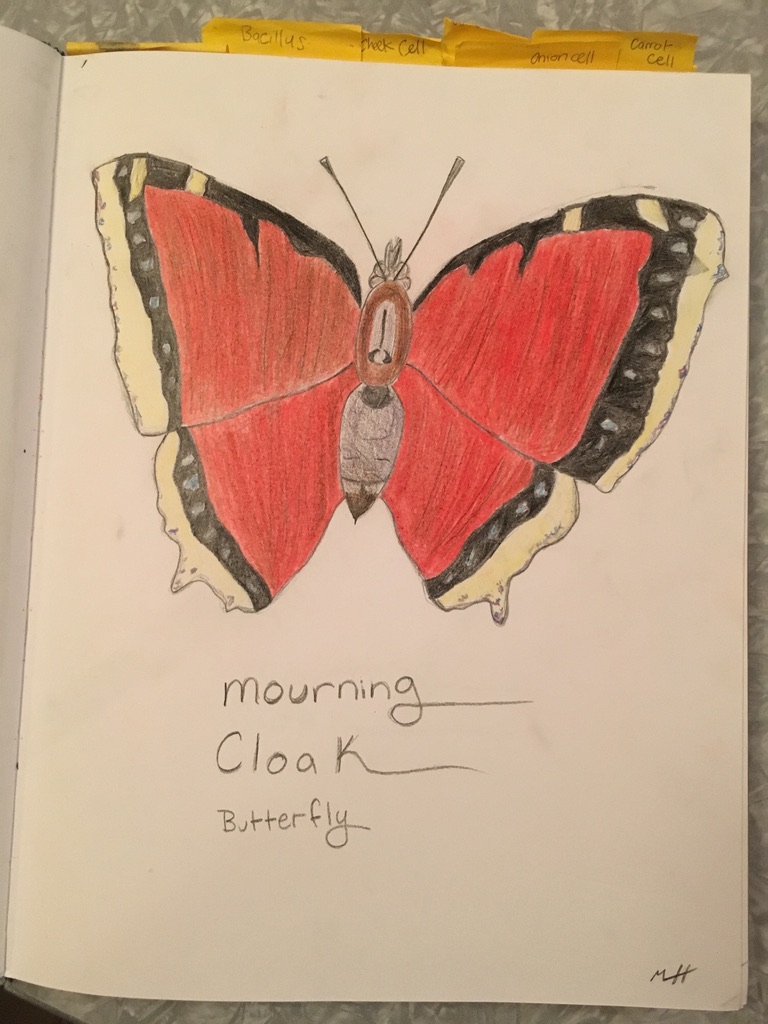
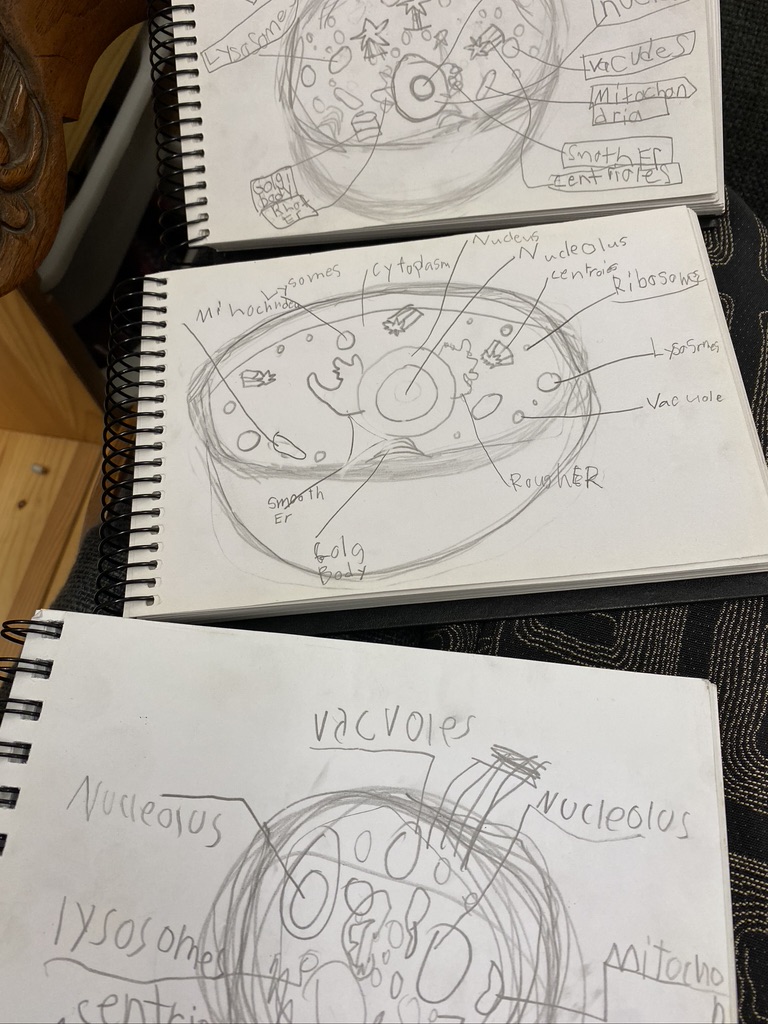
What if painting made you a better writer? And what if pottery improved your painting? At Blackbird & Company, we believe that all arts bolster each other up. At its core, art is a way to meditate on ideas, to slow down, to focus on big questions. Whatever medium you engage with accomplishes these ends from different angles. Art isn’t separate from teaching writing—the two go hand in hand!

SEVEN. NO DEAD WORDS

Here’s a writing tip: avoid dead words! “What is a dead word?” you may ask. Dead words are words or phrases that are overused or vague, like “a lot,” “really,” “very,” “stuff,” and “thing.” You know them when you see them—they don’t mean much and take up valuable space on the page. The clearest writing is specific. So strive for specificity!

EIGHT. EXPERIMENT WITH SOMETHING NEW

Chances are you’ve heard the news by now, but I’m just so excited about it that I’ll bring it up again: Printshop is happening! Printshop is Blackbird & Company’s collection of downloadable writing activities, from individual worksheets on synonyms to bundles about etymology. We’ll be rolling out more and more Printshop activities as the months go by, so keep your eyes peeled! Supplement your students’ writing routine with something fresh. 

NINE. ROUGH DRAFTS AREN’T FINAL

This might sound obvious, but it can be easy to forget! Rough drafts are meant to be changed, rearranged, pieced together and pulled apart. Many times a wonderful hook is buried within a paragraph for those with eyes to see it, ready to be plucked out of the melee of sentences and placed at the paragraph’s beginning. Remind your students: every book they’ve ever read was once a rough draft, full of inconsistencies and mistakes and stumbles. Rough drafts should be rough; that’s what revision is for.

TEN. WRITERS NEED READERS

You’ve thought your deep thoughts, you’ve written your ideas on the page—what comes next? A reader. While the act of writing itself holds power, writing needs an audience. After all, if the purpose of writing is to communicate, you need someone to communicate with! Encourage your students to share their work with others, be it friends, family, or classmates. For an opportunity to gain a wider readership, submit student work to Reveal, Blackbird & Company’s annual student anthology. Did I mention that every submission until March 31st comes with a chance to win a mini campfire, a Solo-Stove S’mores bundle

ELEVEN. BE THE TORTOISE, NOT THE HARE

The moment a child first picks up a pencil, they are embarking on a lifelong writing journey. This journey can’t be rushed. Growth can’t be forced. Rather, we take a thousand baby steps and eventually look over our shoulder to wonder at how far we’ve come. So as you mentor young writers, look for baby steps and know that big steps are few and far between. In this race we must be the tortoise, not the hare. 

TWELVE. IT’S A BUMPY ROAD—BUT WORTH IT

If a student is stretching their skills, not every piece of writing they pen will be a roaring success. And that’s okay. Expect some failure. Encourage experimentation. The result can be awkward, muddled prose, or a flash of insight that opens readers’ eyes to a new world—but how will we know if we don’t try? Either outcome is better than always playing it safe by hiding behind rigid rules of composition. Failure has as much (or more) to teach us than success. The road to progress is bumpy, but learning to soar is worth a bump or two. 


~Claire S.