Posted on

Why We Publish Student Work

Campfire Tip #3: Writing is a Gift

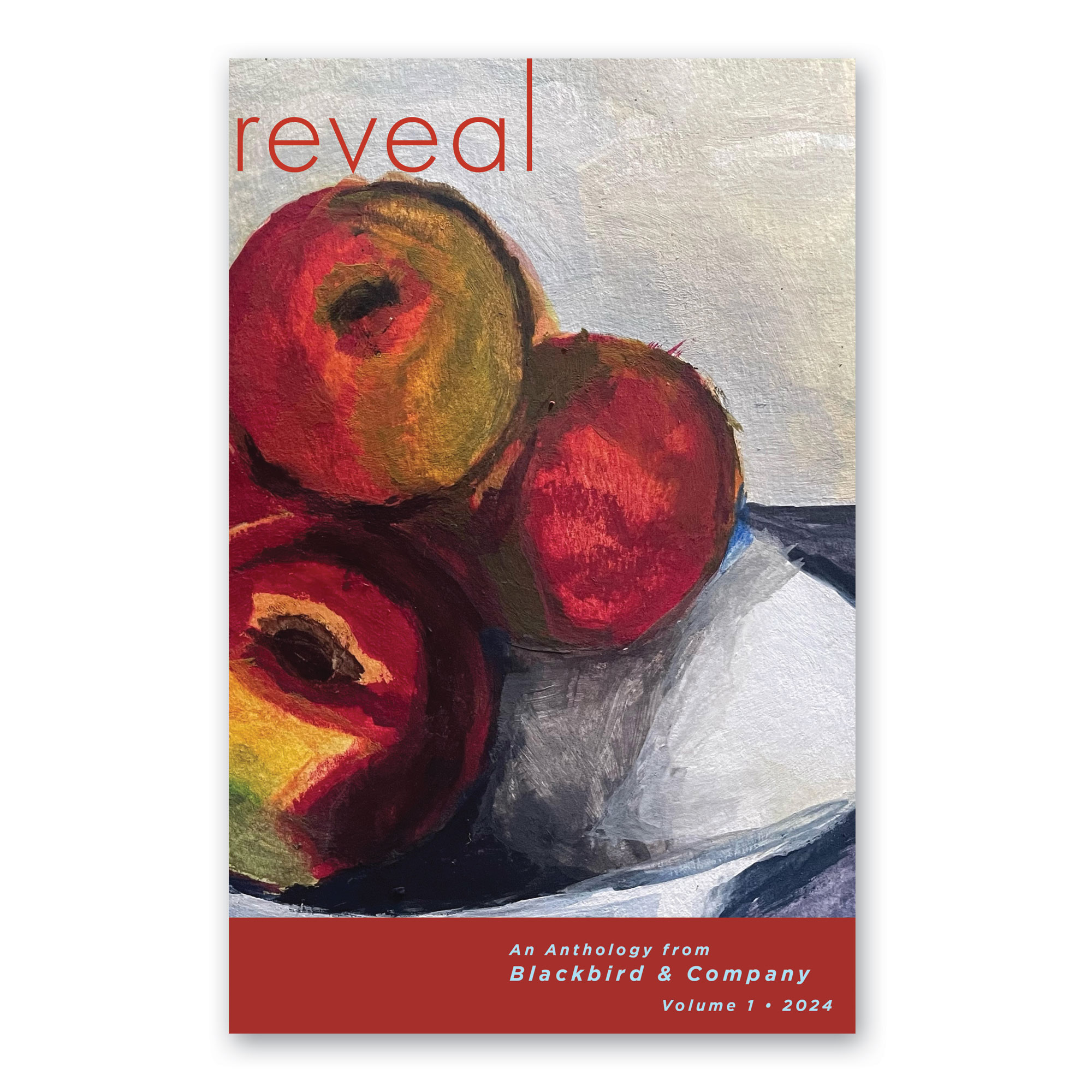
Hopefully you’ve heard about Reveal by now, Blackbird & Company’s annual anthology of student work. But do you know why Reveal is so important? Why we talk about it every chance we get?

It comes down to confidence. We like to remind students that writing is a gift. When polished student writing is published, your students are giving a wonderful gift to readers. Being published is the hallmark of legitimacy in the field of writing. True. But more importantly, published writing is a courageous and generous offering—so how better to prove to your students that their voices matter than to publish their ideas? 

I’ve always found the link between intrinsic motivation (or motivation that comes from within) and self-confidence fascinating. They feed each other. The more intrinsically motivated a person is, the more satisfaction is gained from completing goals.  People with higher self-confidence are simply motivated to attempt tasks for the sake of accomplishing.  Work itself becomes meaningful.

These psychological principles translate directly to writing. The best way we can help our blackbirds gain confidence in writing is to help them become personally motivated. The best way we can help them become personally motivated is to build up their confidence by publishing the polished ideas they have brought to shape. 

As the editor of Reveal, I’ve seen firsthand the pride that swells within students’ chests when their work comes out in print, when they know that their voice has been chosen and has merit and value. Fostering this budding belief in oneself is one of the most important tasks we can take upon ourselves as educators—it just might be the fuel that keeps young writers writing. 

That’s why we publish Reveal. To show young writers what becomes possible when they spread their wings. 

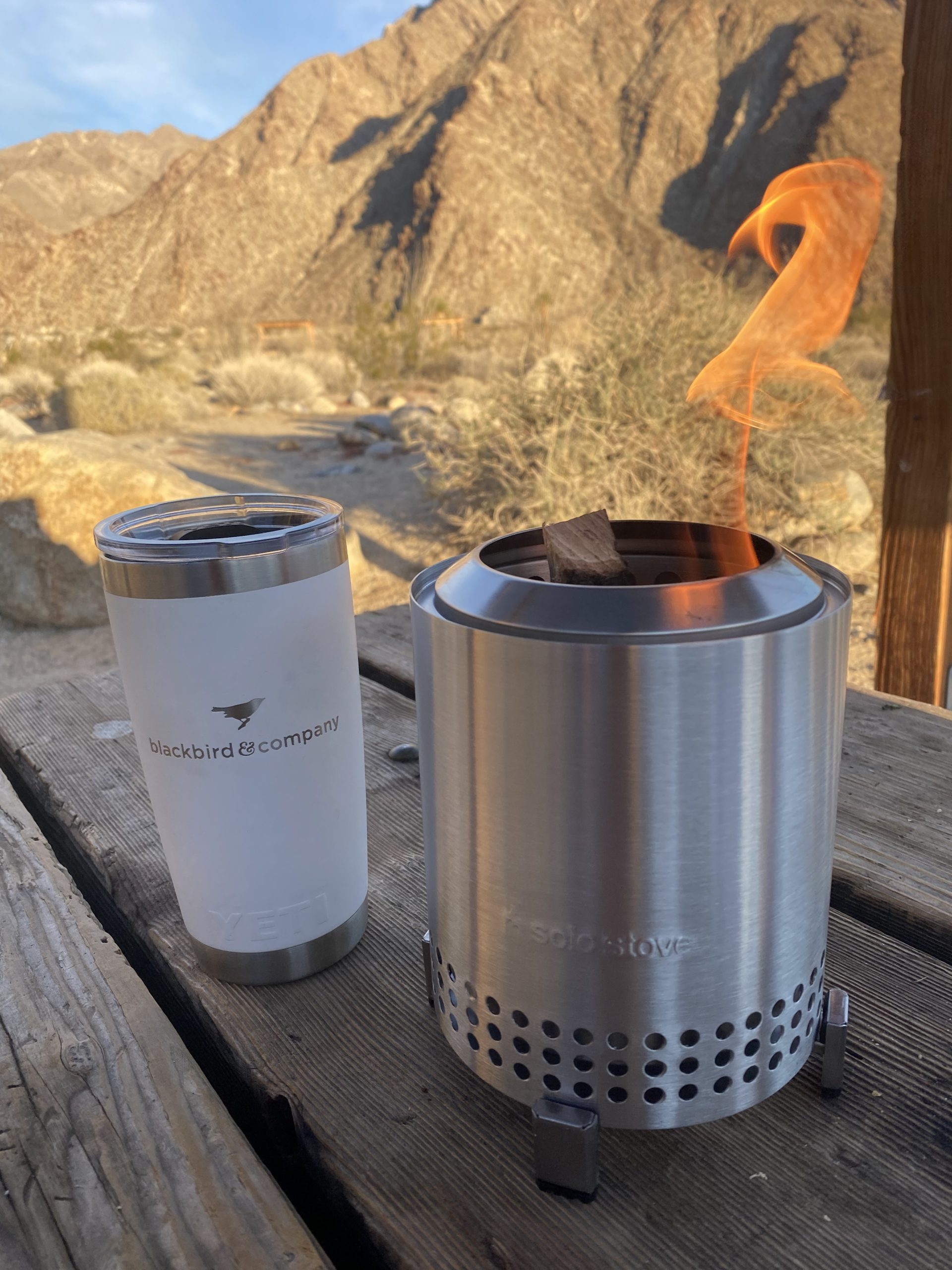
Submitting work to Reveal 2026 is super easy. And, if you submit work accomplished via any of our materials now through March 31st, 2026, you will be automatically entered to win a Solo Stove S’Mores Bundle.


~Claire S.
Posted on

Revealing a Giveaway

Campfire Giveaway

What would make our annual virtual campfire gathering even more wonderful? An actual campfire, of course!  Enlist your students to choose a favorite polished draft from this year’s work from Blackbird & Company curriculum, submit the work to our journal of student writing: Reveal. Simple!

We invite writers, Kindergarten through 12th grade, who courageously write from the heart using our curriculum to submit! And, now through March 31, 2026, each submission will earn your family a submission to our Giveaway!

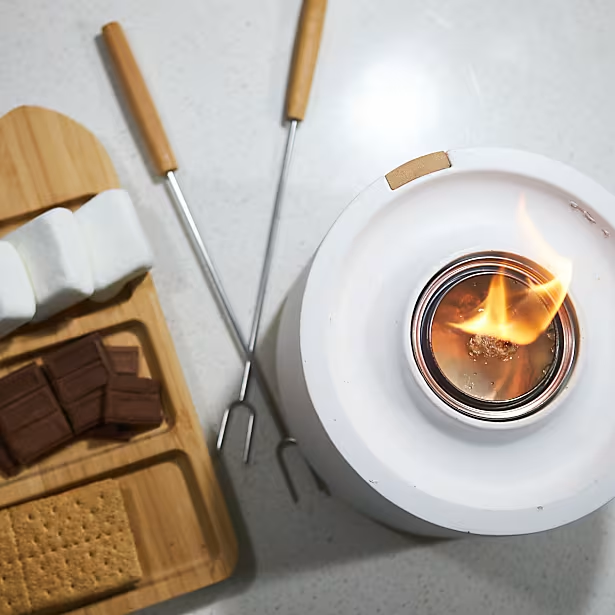
And the prize? A Solo Stove S’Mores Bundle!

From the very first flicker of the tabletop fire bowl, you’ll be ready to roll into seasonal storytelling with this S’Mores kit from Solo Stove! This tabletop “Fire Bowl” + sticks, fuel, & bamboo tray is sure to add s’more fun to this year’s story making!

Posted on

New Year / New View

Campfire Tip #2: Be on the lookout for wonder!

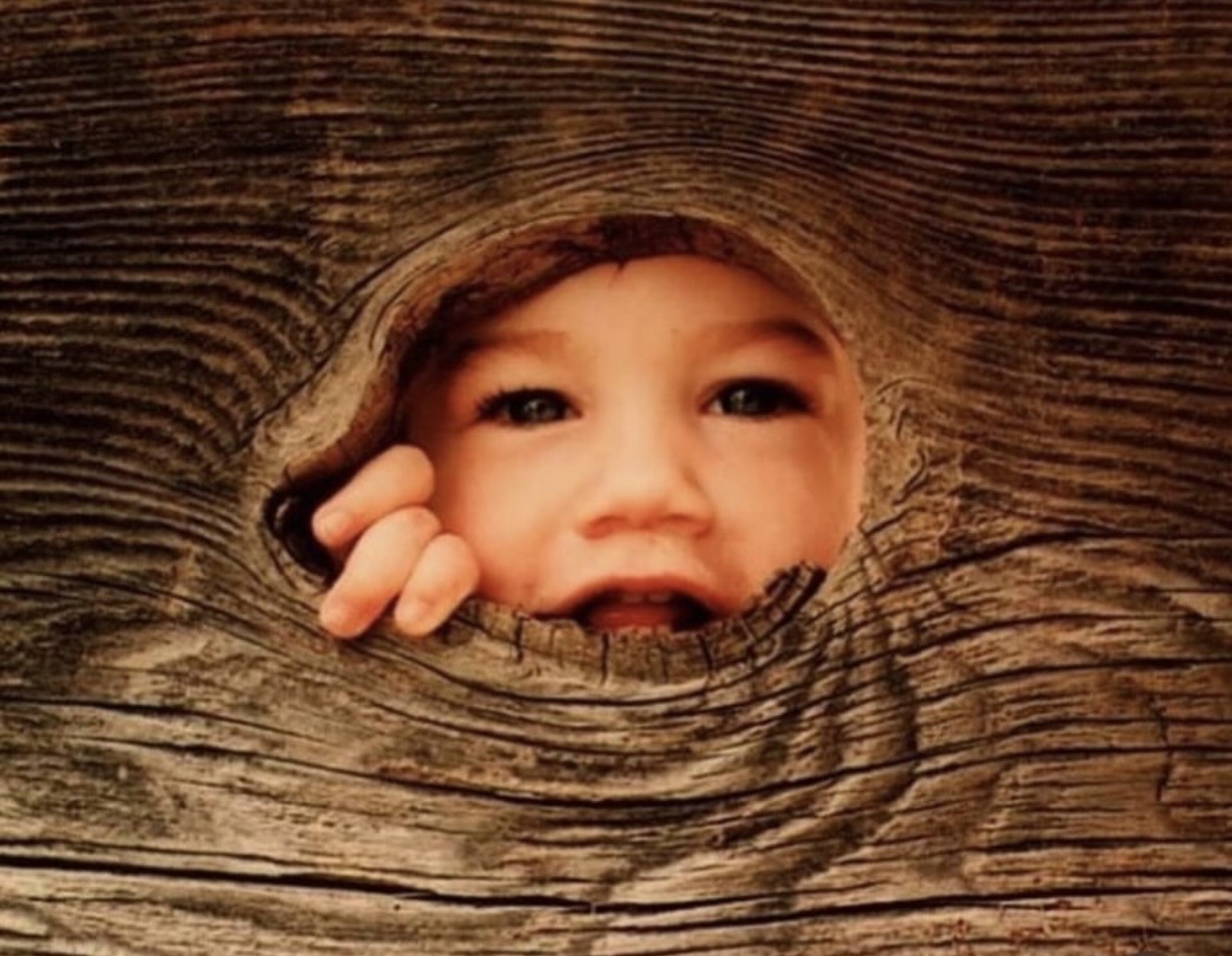
When my oldest son was a toddler, I watched him make his way toward our back yard fence toward a knothole. I watched to see what he would do. Funny thing, he just stood there. He stood there for the longest time in the silence of mid-morning. I wondered what my son was seeing. I wondered about the other side of the fence. So I tiptoed into the house, grabbed my film camera and made my way to the other side of the fence.

This is the face of wonderment.

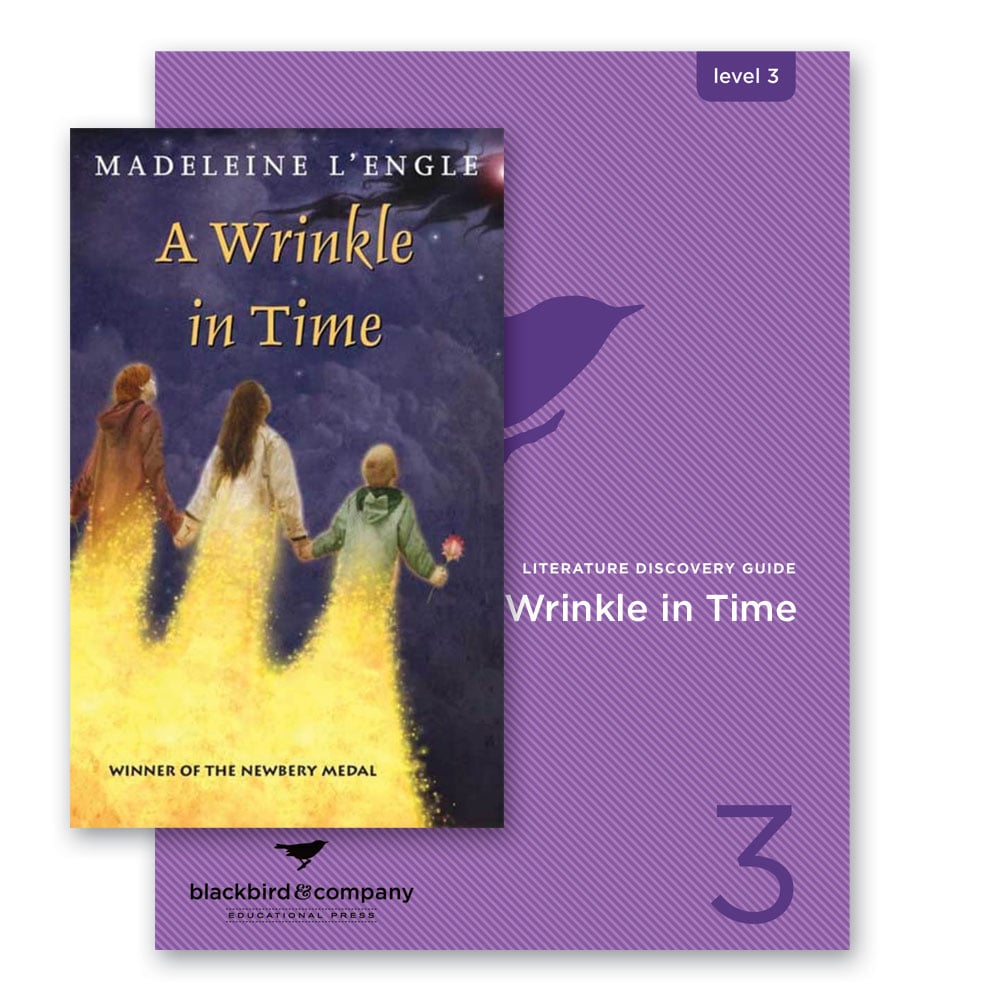
Here at the dawn of 2026, light a candle! Madeline L’Engle gave me this idea. She once said: “There is nothing that makes me happier than sitting around the dinner table and talking until the candles are burned down.” Me too!

So I’m following her lead. Today, on the second day of the year, I’m going to light a candle and let it burn down while I read a book. There is something so WONDER-full about candles and time. “Candle Clocks” are a once-upon-a-time thing. Let’s bring back the candle timer and tie it to the tradition of reading books.

A Wrinkle in Time

So here’s to wonderment. Light a candle. Find a knothole. Have a look see.


~Kimberly

Posted on

Editing Student Writing

writing

Campfire Tip #1: Empower Students to SELF-Edit

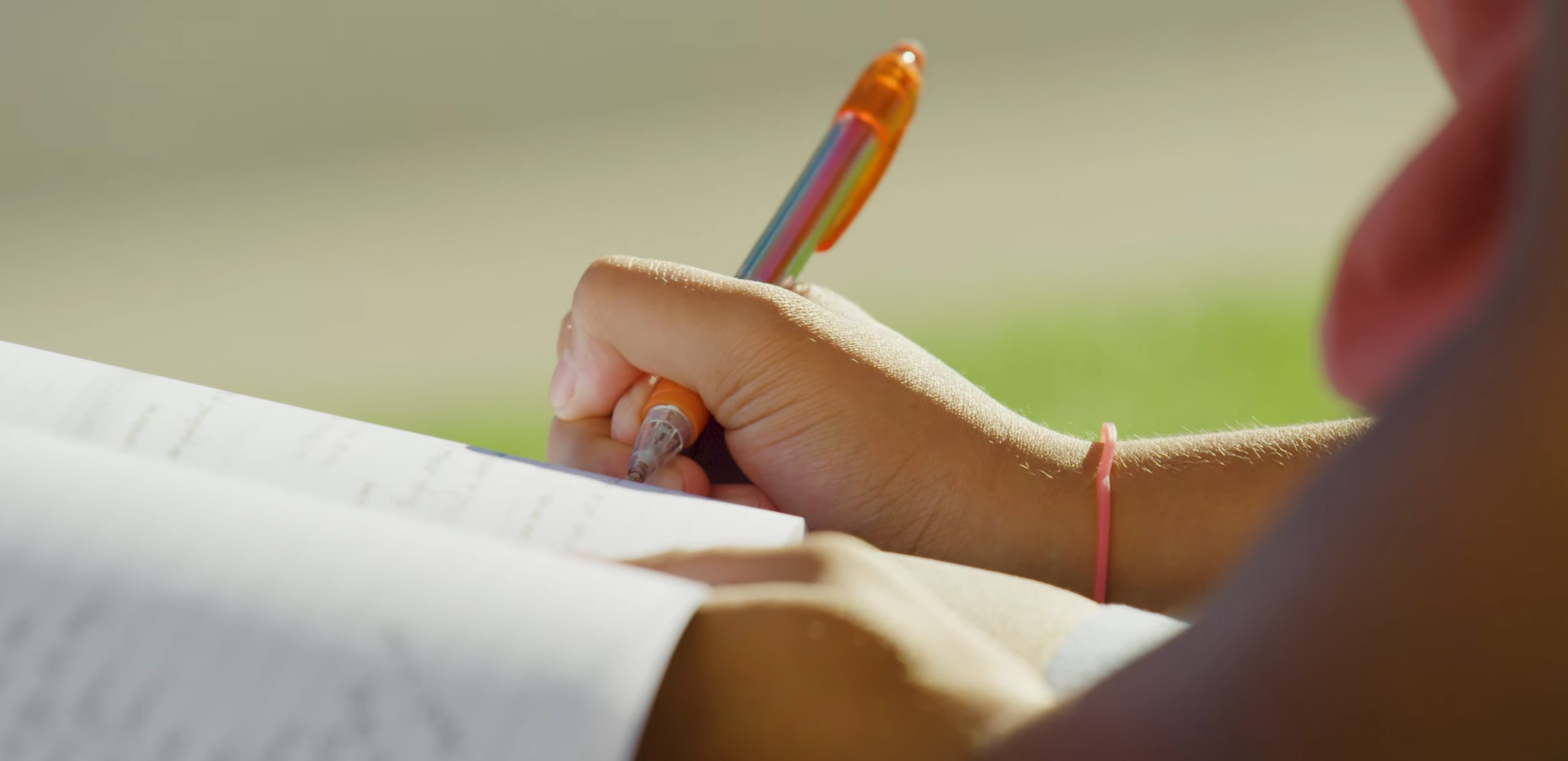
We’ve got you! Head over to Print Shop to download for FREE our student self-editing checklists—Writer’s ChecklistLevel 1, Writer’s Checklist Level 2, and Writer’s Checklist Level 3. These resources are designed for use with writers at three levels: Early Elementary (CORE Level 1), grades 3, sometimes 4 or 5 depending on the writer, Upper Elementary (CORE Level 2), grades 4 and 5, and Middle School (CORE Level 3), grades 6 through 8. At each level, the goal is for writers to re-read the first draft, the rough, and to self-edit, looking for issues ranging from indentation and capitalization to spelling errors, to run-ons and fragments and much more. The checklists will gently encourage writers to engage in writing as an artform and to raise their voice accordingly!

It’s important that we help students, early on, to engage in the process of writing—all the stages. Real writing is not a one-and-done activity. Real writing is sparked by curiosity, simmers in the imagination, and is brought to shape through a process of steps: brainstorming, writing it down, reading it over, self-editing, teacher-editing, refining, and polishing.

We’ll talk about role as Teacher soon enough… until then, hand your students a checklist and get them self-editing!


~Kimberly

Posted on

Welcome to the Campfire

It’s that time of year again. A new year is dawning and the long stretch of educating looms ahead! I love that word loom” because it is a very specific verb. Of course, the noun is a machine for weaving, but the verb means to come into sight in an indistinct, atmospheric way. When something looms ahead, it is sort of unknown. And the unknown can sometimes be daunting. I know, as a teacher, January makes me catch my breath, knowing the work ahead is BIG. And when something BIG is looming on the horizon, I don’t know about you, but I want to run away!

Here at the campfire though, we have a moment to catch our breath, look back, prepare, and look forward again with a less blurred view, “Hey, that looks like an adventure to me!”

So join us these next four weeks as we offer a dozen or so tips and tricks to carry with you on the 2026 adventure!


~Kimberly

Posted on

Around the Campfire: Make Reading a Gift

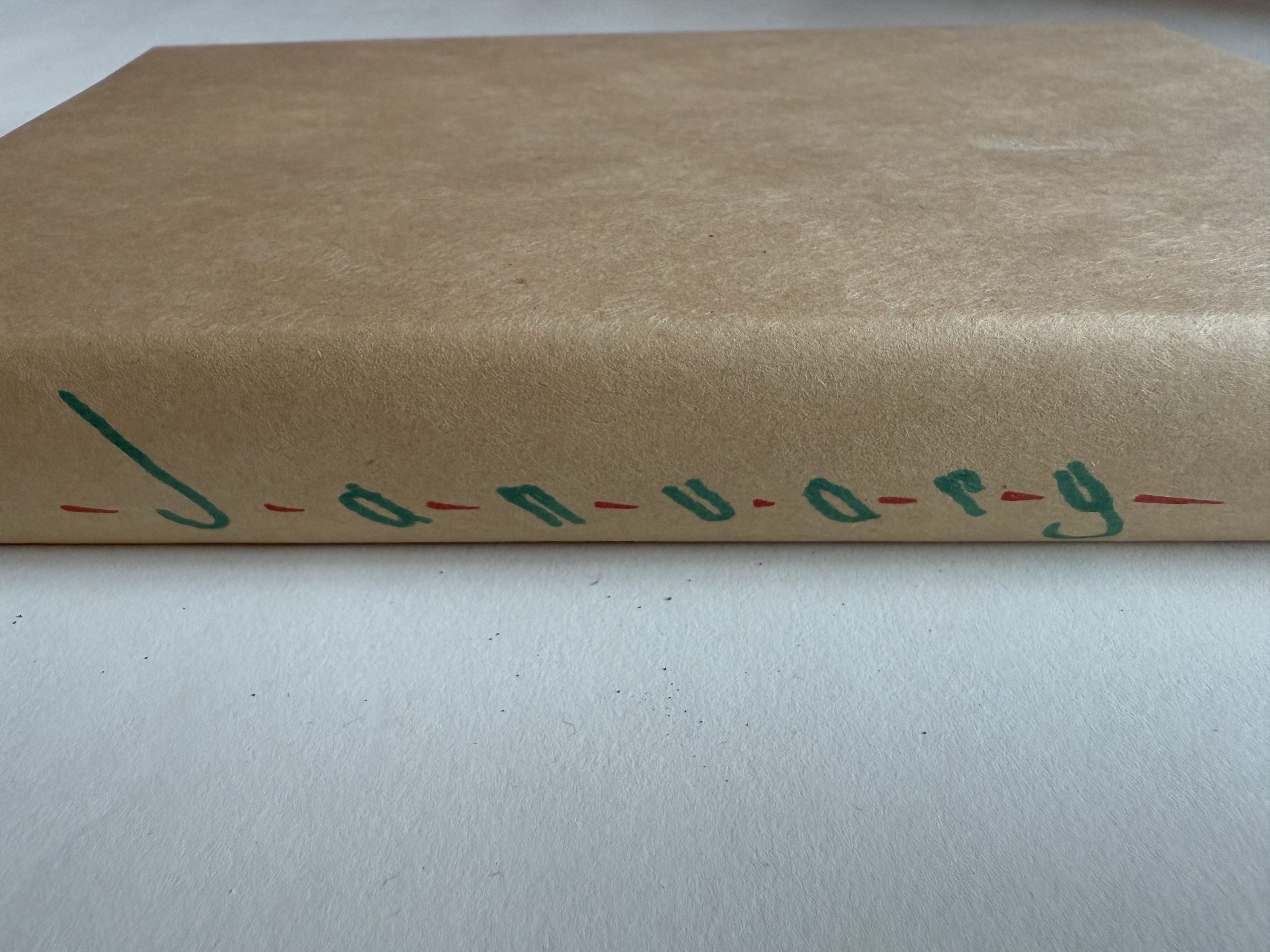
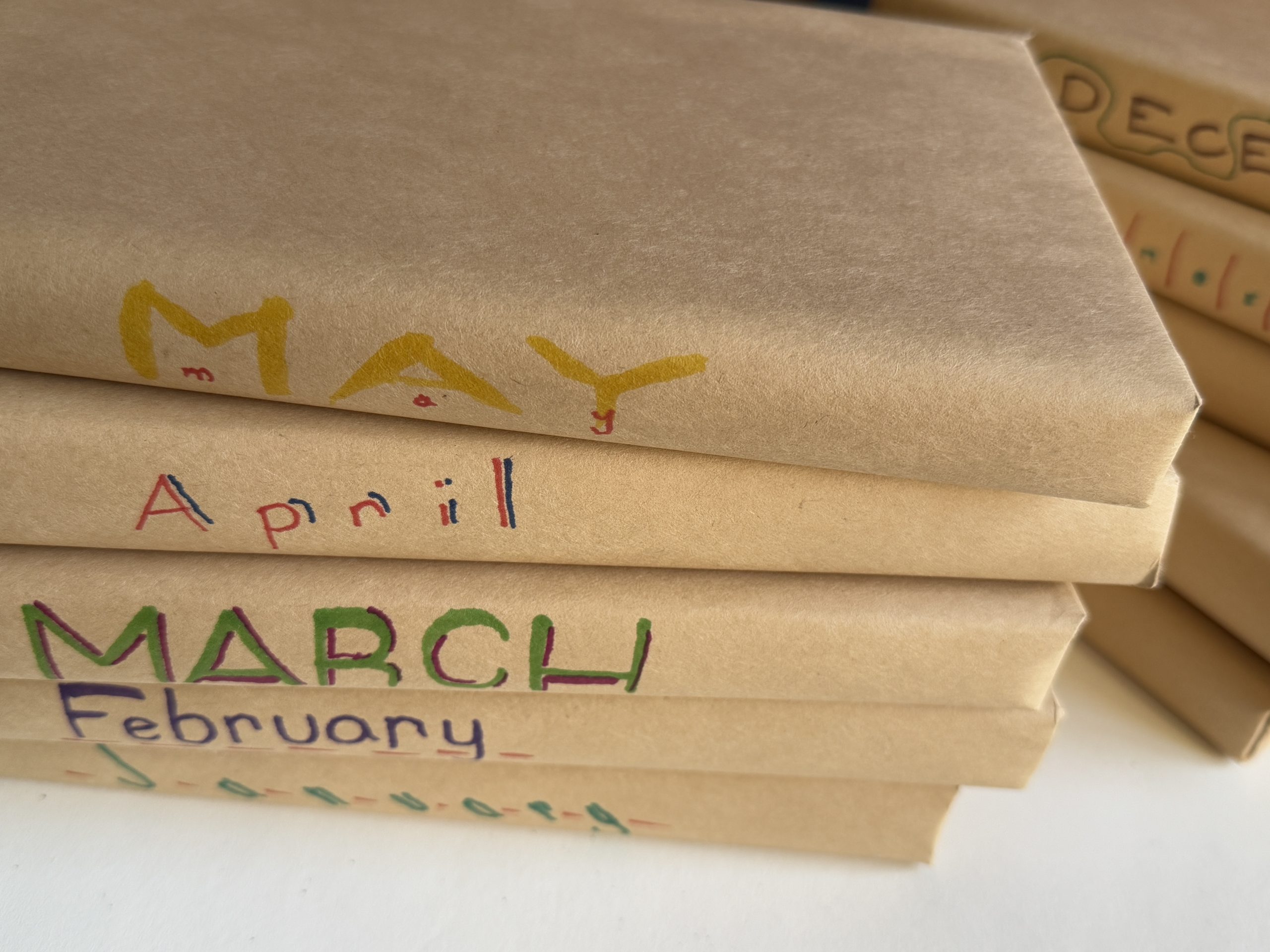
Add a happy surprise into your student’s reading tradition. Choose a dozen books that will be easily devoured. Wrap the books up this month and put in a basket or a reading nook for your reader to open, one each month in 2025! Make sure to vary the genre while keeping the reading level appropriate so that the reader will enjoy each monthly selection.


TIP #5

Wrap some books!


~Kimberly

Posted on

Around the Campfire: Alphabatize

TIP #4

Alphabetize


I have such fond memories of alphabetizing words, dictionary in hand. I loved the way the dictionary was organized, unlocking the system on each page, the guide words at the top—the left word directing me to the word at the top of the left column; the right word directing me to the last word in the right column. I loved how the dictionary taught me that each word possessed a very specific pronunciation, history, and meaning. But most of all, I loved how the dictionary taught me to alphabetize.

Take the words: armor, arduous, architect

All begin with “A” so now what?

Go to the second letter.

“R” is the second letter in each word!

Now what?

Go to the third letter.

“M” and “D” and “C” come next. So when we alphabetize via these letters the order is as follows:

  • Architect
  • arduous
  • Armor

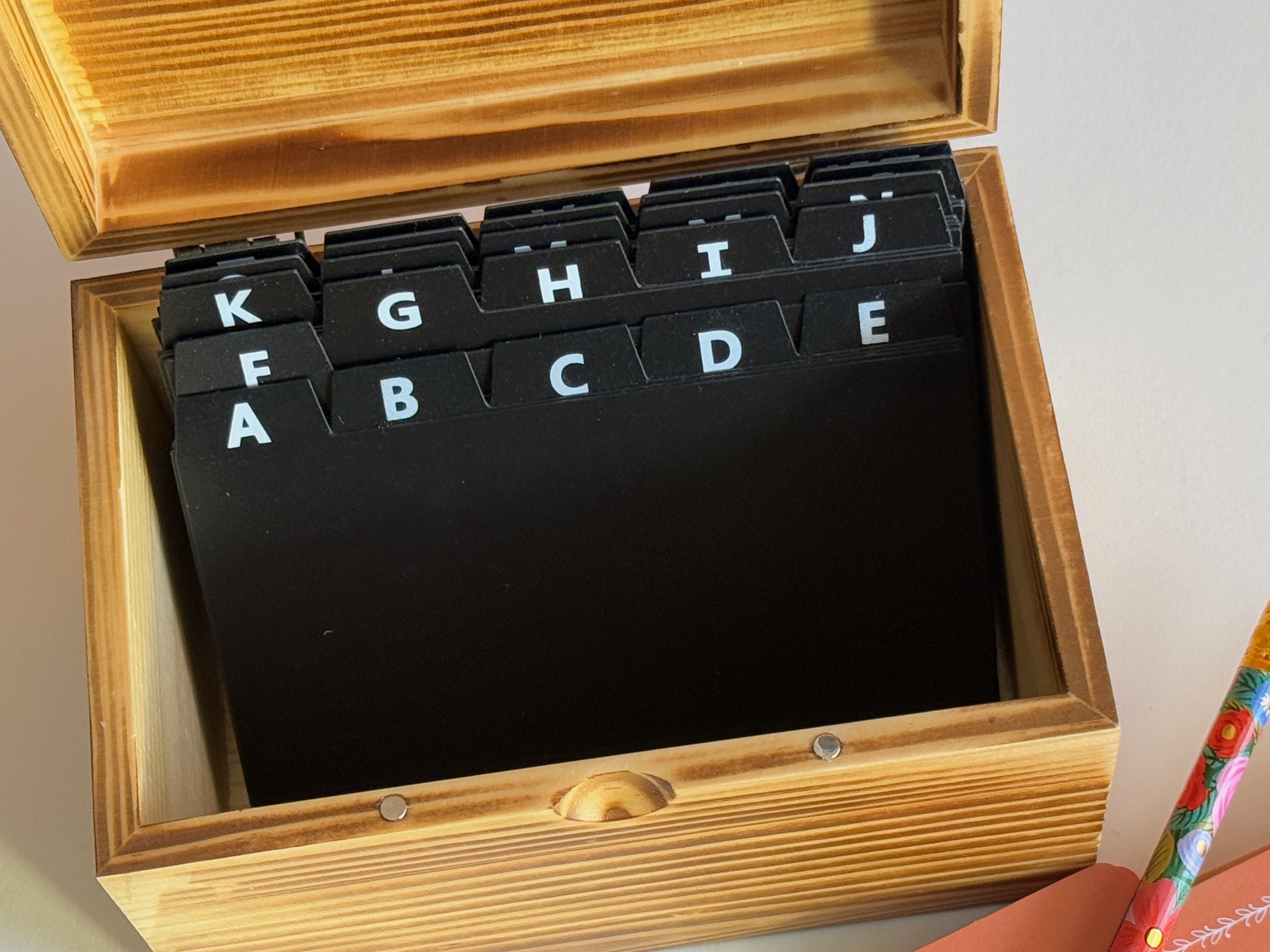
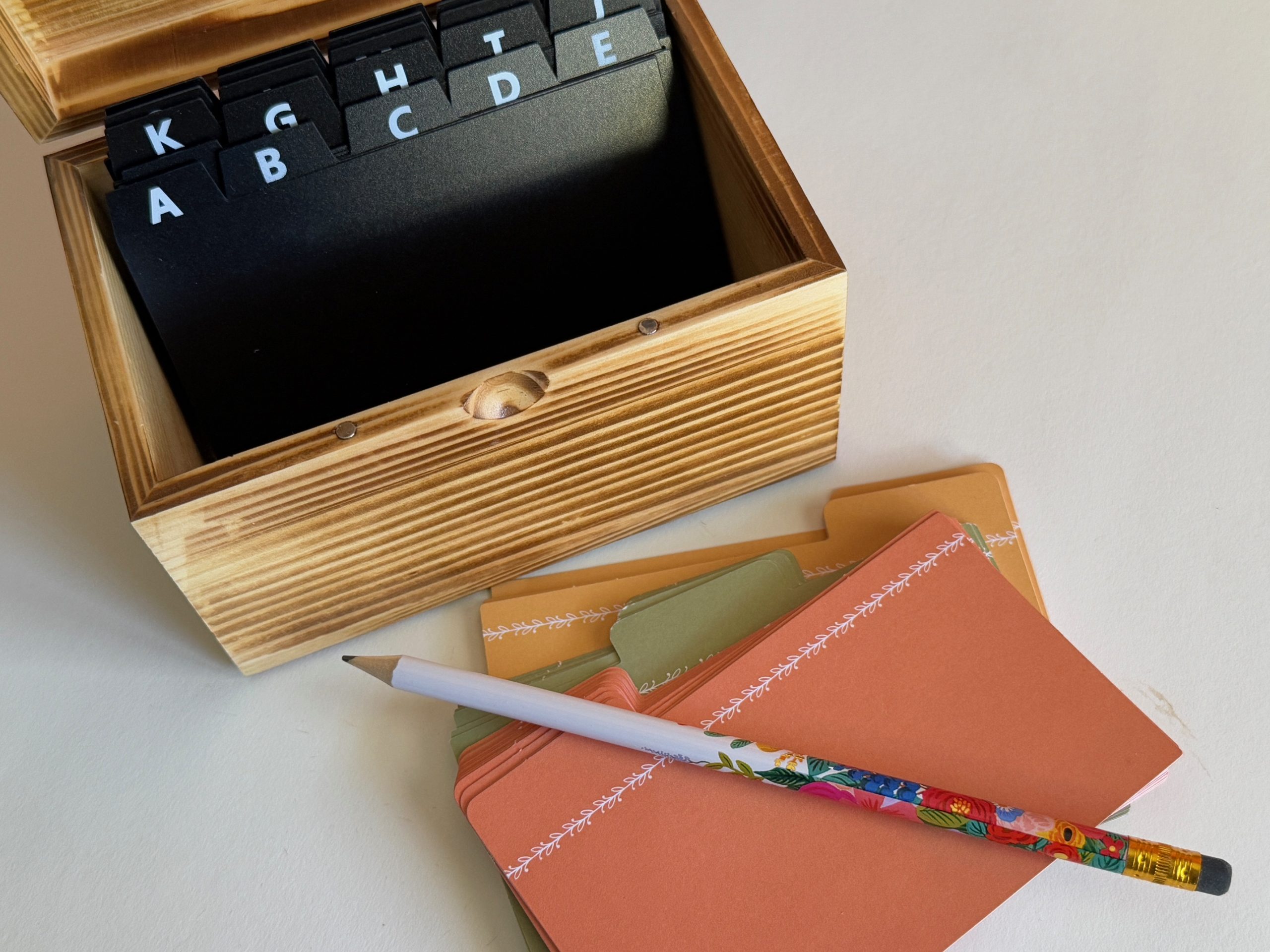
With one word on the front of a 3 x 5 card, the definition on the back, the three words are filed behind “A” in the card file.

Building a rich vocabulary is a key part of growing as a reader and writer.  As your students work through CORE Integrated Literature and Writing, Operation Lexicon, Hatchling, Earlybird, Research People and more, encourage them to alphabetize new vocabulary. This will not only help them move new words into long-term memory, but also into their spoken and written ideas!


~Kimberly

Posted on

Around the Campfire: Make Some Mistakes

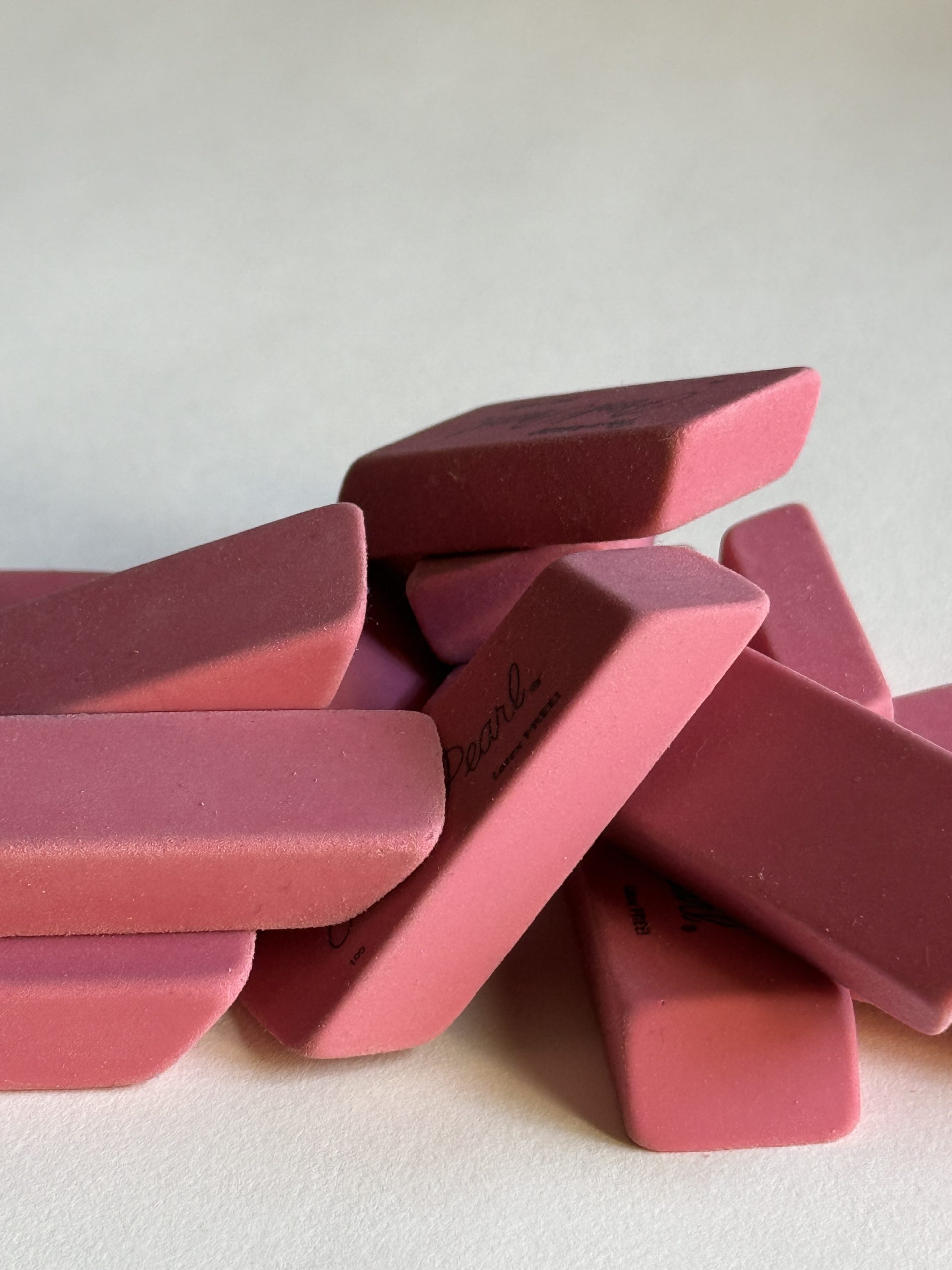
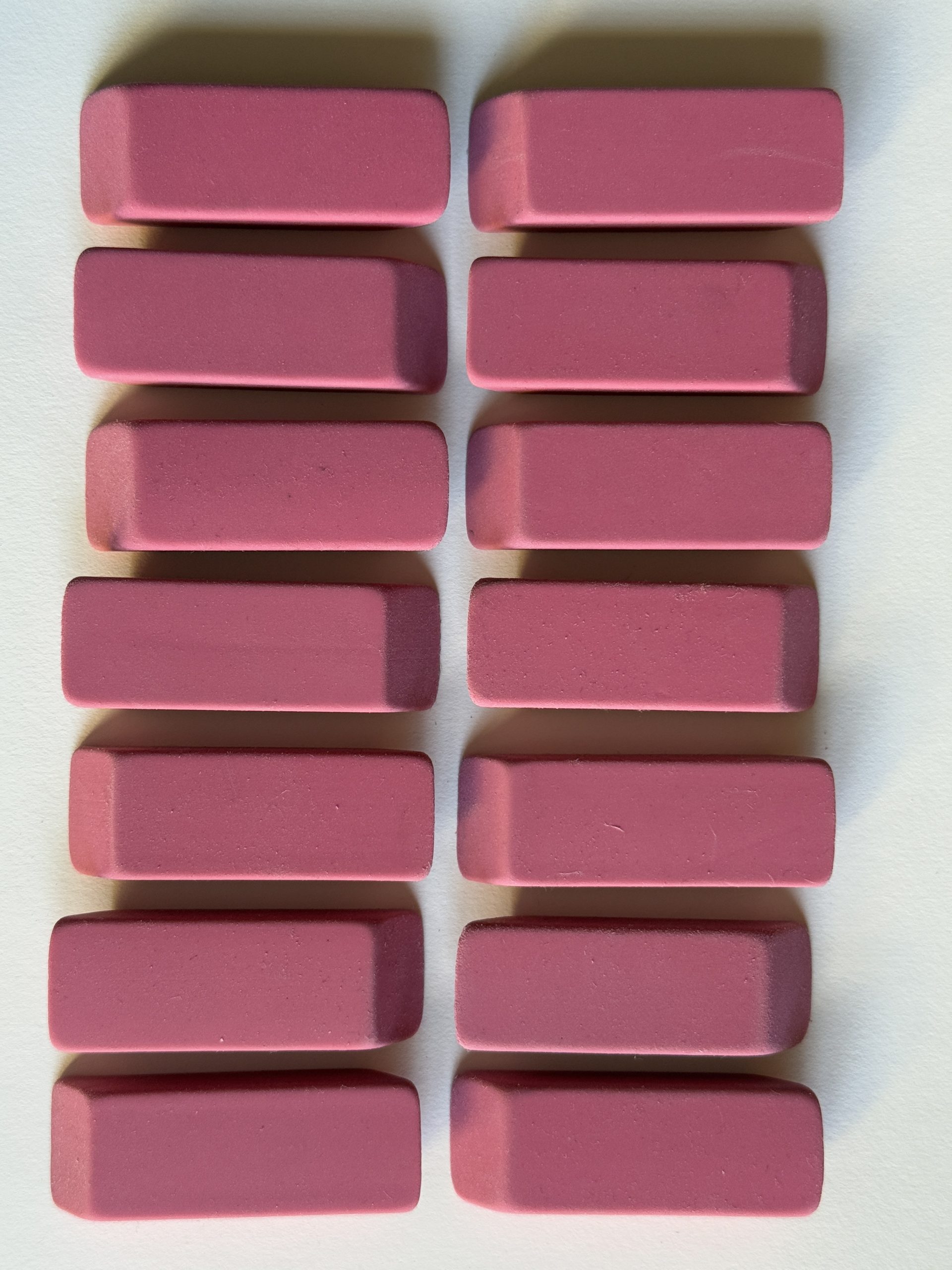
Who doesn’t have a memory of the classic pink eraser?

Back when I was in elementary school, the eraser was at once a tool for writing and a tool for printmaking—yes, printmaking! Essential tools were paperclips, stamp pads, and blank 3 x 5 cards in the back of my, now vintage, tin card file box, and a black-inky stamp pad. Somehow, there was always quiet time during my school day to imagine and create, especially in 6th grade when my teacher would put on Cat Stevens and let the whole LP play, both sides. I would carve little designs into my pink erasers with a paperclip untwisted to become an artist stylist. Once happy with the design, I would simply coat the eraser with inky black and stamp it on an unlined 3 x 5 card.

I have absolutely zero unhappy memories with erasers, quite the contrary! The color, smell, shape, feel of the pink eraser sparks all kinds of happy memories. Most important, I was not afraid to make mistakes as I learned to become a writer. The little pink eraser was by my side to help me alter mistakes. Mistakes in spelling. Mistakes in punctuation, capitalization. And more crucial mistakes too—mistakes in content.

TIP #3

Writers make mistakes!

Writing is a process that will always involve mistakes whether the writer is a student writer or a proficient adult writer. Each stage of the process is looking forward to the polished, final draft. Along the way, many changes will be made easily, thanks to the eraser.

  1. Come up with an idea.
  2. Write the idea.
  3. Re-read the idea.
  4. Make edits to the first draft—partner with the pink eraser!
  5. Polish the idea into a beautiful final draft.

The little pink eraser is the perfect partner of the pencil and has been for hundreds of years. We will always recommend student writers use the pencil as it is the best technology available to support learning this art form.

Posted on

Around the Campfire: Adventuring into a Story!

TIP #2

Unplug!

Increasingly in our world, we all know electronics have played a bigger and bigger role in our lives. With the advantage, comes a great deal of disadvantage we all are trying to mitigate, especially when it comes to our children. Blackbird and Company offers some terrific books that can take your students into the wonderful world of nature and adventure. While we, of course, strive to be outside in the great outdoors as much as possible—hands in dirt, feet on trails or wiggling into ocean sand—we can also inspire a love of nature and animals and a life of adventure through good books.

“We are plain quiet folk and have no use for adventures. Nasty disturbing uncomfortable things! Make you late for dinner! I can’t think what anybody sees in them,” so says Bilbo Baggins. A touch of irony, of course, but also an invitation to tag along on the adventure about to unfold!

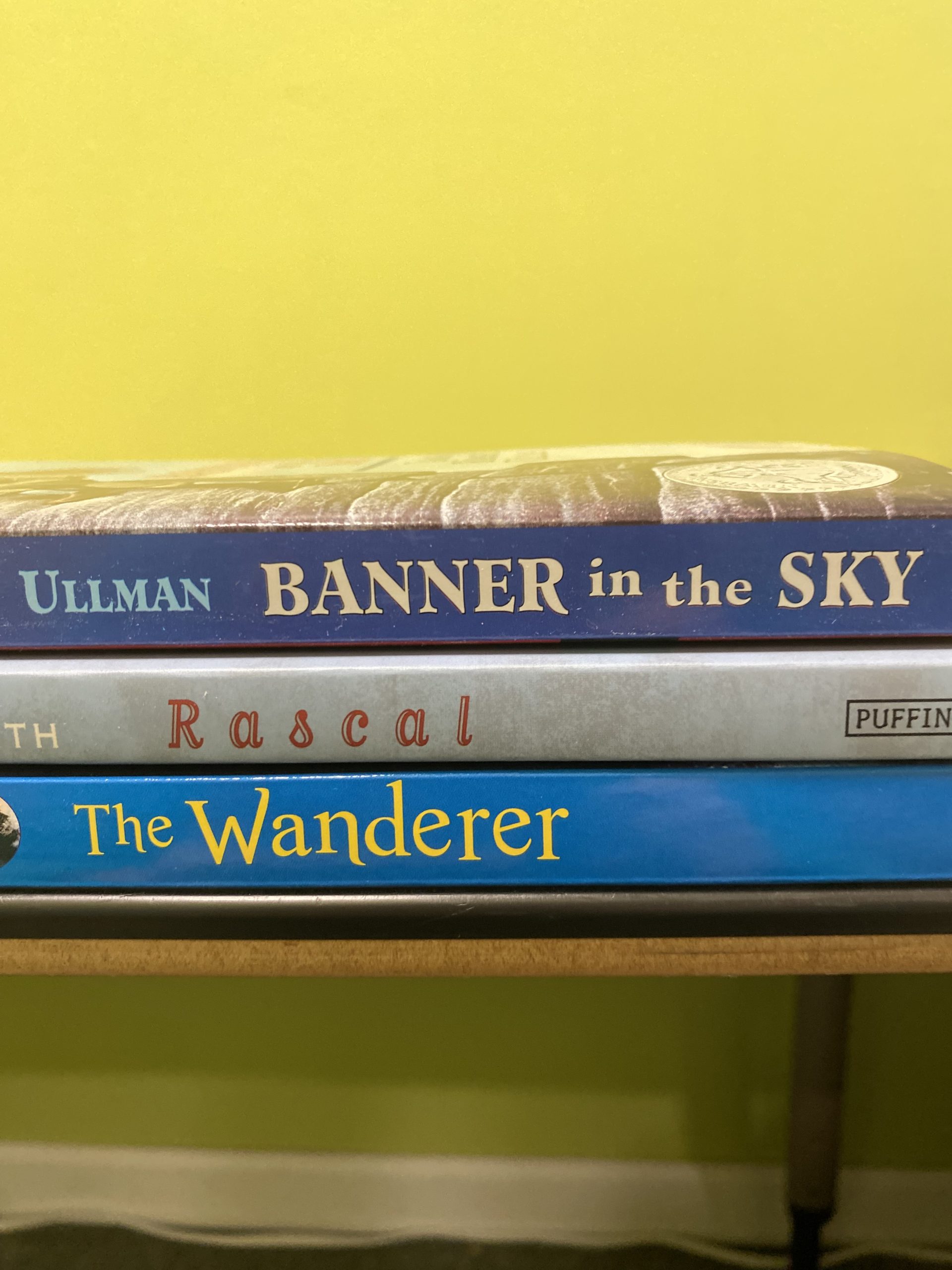
 When it comes to novel adventuring, here are some of our favorites:

[Inside Cover, Flyleaf, Sara’s childhood edition]

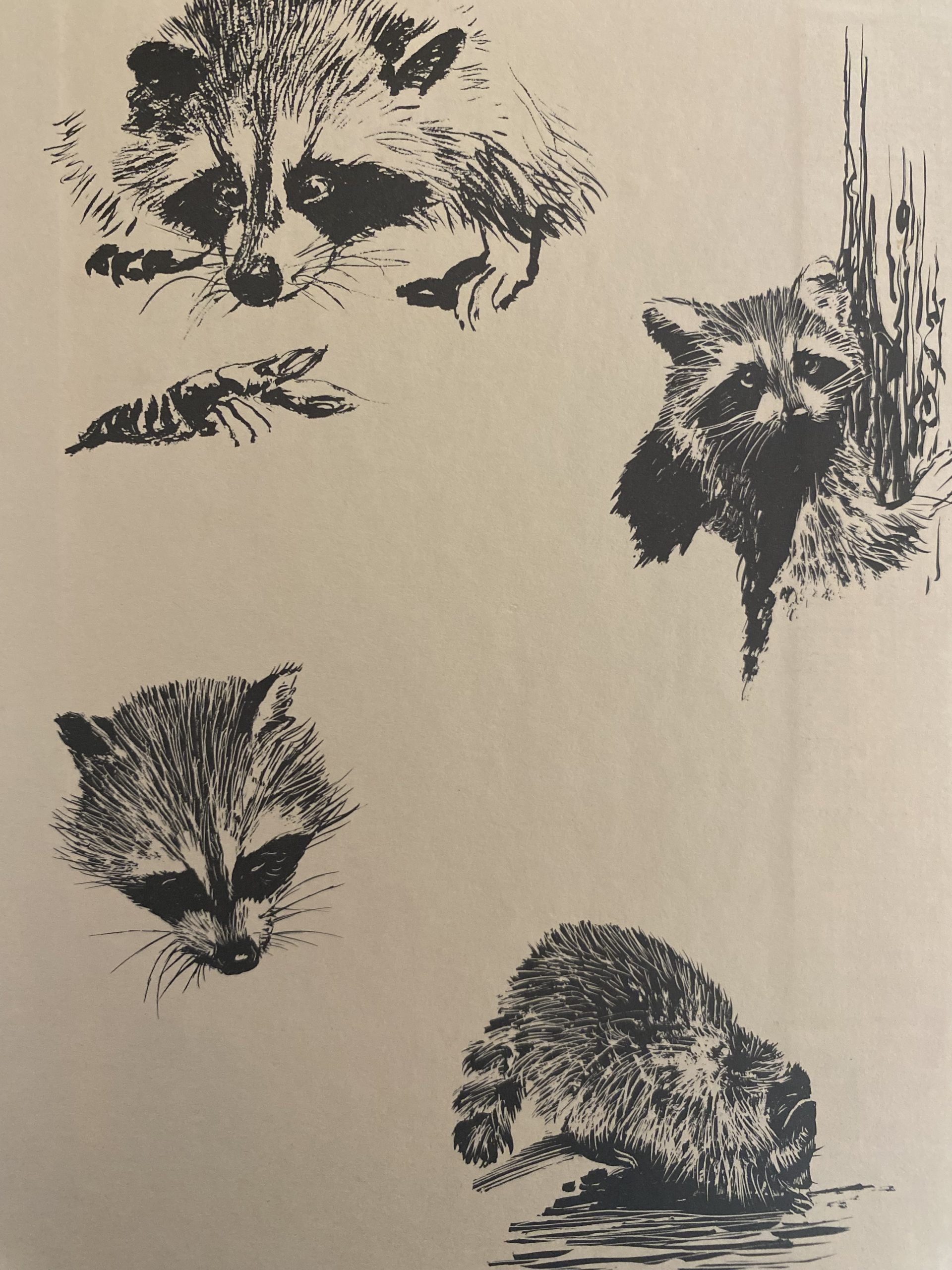
Rascal by Sterling North

Follow along as Sterling and his beloved dog Wowzer find a raccoon kit in the woods and bring him home. You will have quite a vicarious adventure and meet many enchanting animals in this true story set in the back woods wilderness of Wisconsin. Hear what life was like for a very clever eleven year old boy at the end of WW1 who grew a victory garden and was building a canoe in his living room!

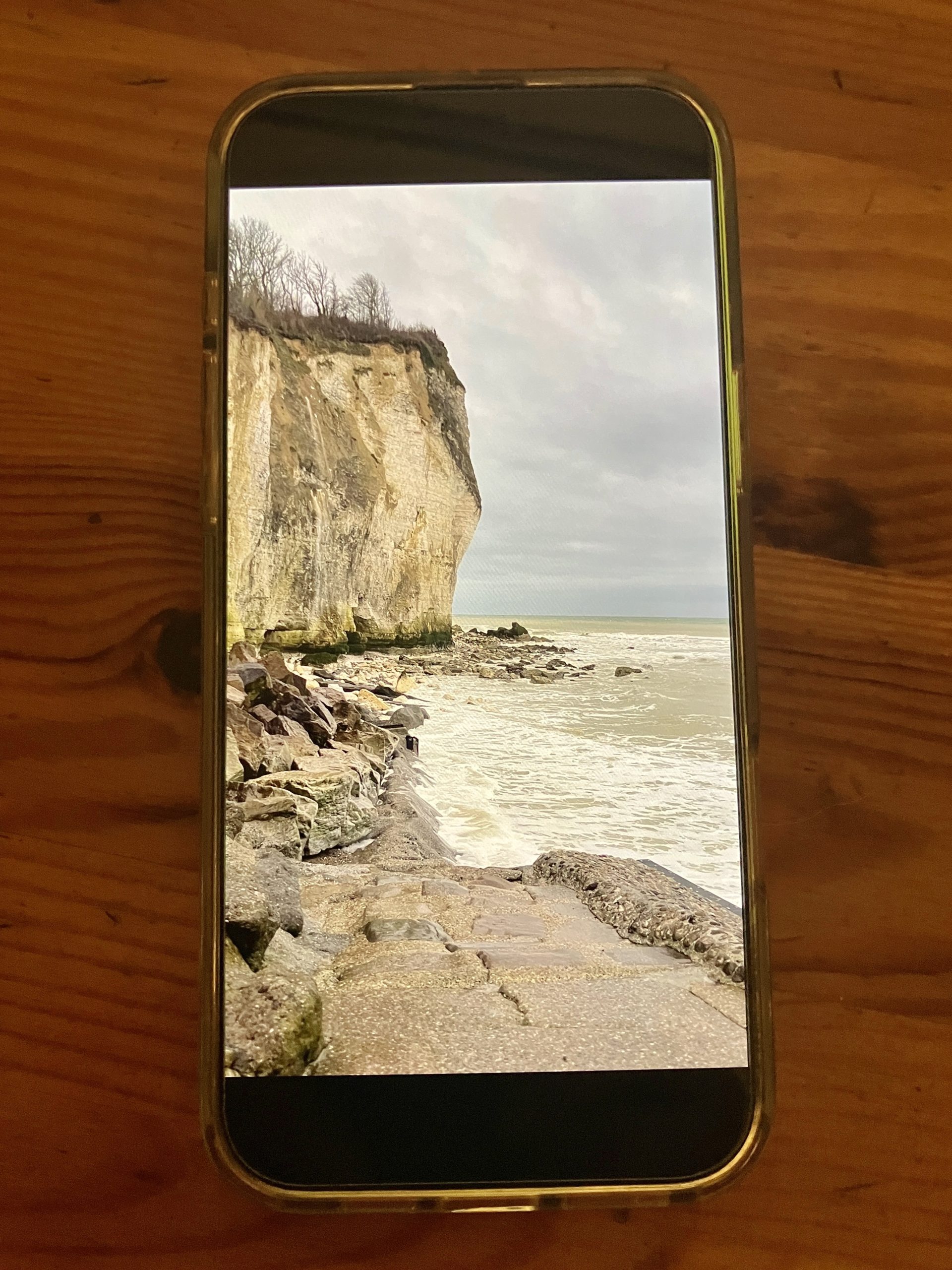
[Section 5 Project, inspired by The Wanderer]

The Wanderer by Sharon Creech

Sophie, who intensely fears the sea, journeys with three uncles and two male cousins across the Atlantic.  The are racing to visit Bompie, Sophie’s grandfather, who is fighting for his life in England. Readers, too, are called to adventure: “The sea, the sea, the sea. It rolled and rolled and called to me. Come in, it said, come in.” Wander along with Sophie and Cody as they journal their way through fear and grief. This story is sure to inspire!

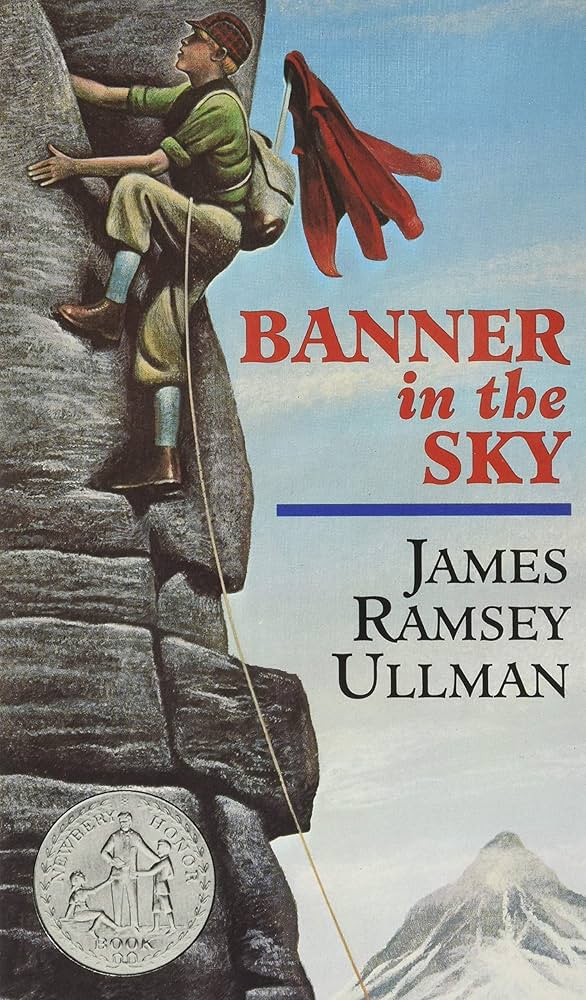
Banner in the Sky by James Ramsey Ullman

Rudi Matt, son of the famed mountain climber Josef Matt, lives under the shadow of the very formidable mountain his father perished on while trying to be the first to summit it. This is a gripping coming of age story, where Rudi defies his relatives and sets about to conquer the mountain even though no one believes the mountain can be climbed. It is high adventure and set during a different time in a different culture. There are heart pounding moments in this book where you will feel your own fingernails biting the rock face trying to gain purchase!


~Sara
Posted on

January Campfire 2025: Be the Superhero

Back in January of 2023, we began the tradition of us teachers gathering ’round the virtual campfire to explore and encourage and inspire. It began like this:

We want our students to read and write well. We want them to think creatively and to value their ideas.

Learning, no matter the subject, can be an awesome journey. The path can be filled with wondrous sights to delight the intellect and warm the heart .

But the opposite can also be true.

The opposite of an awesome journey would be an arduous one. The opposite of a path with wondrous sights to delight the intellect and warm the heart is one filled with brambles and thorns that discourage and weaken. On this journey, this path, learning is thwarted, the heart is discouraged, and some form of illiteracy is a common outcome.

Here, as we begin our 3rd Annual Blackbird & Company Virtual Campfire gathering, the snapshot is not any easier to face:

“In the United States, 54% of adults read below the 6th grade level.”

How can we possibly make a difference?

We are so proud of our Blackbird & Company community!

YOU are making a difference!

YOU are the superhero!

YOU are inspiring your students to unplug and to pick up a book.

YOU are asking your students:

What’s your BIG idea? 

And then, handing them a pencil and their student journal!

We’re here to support  you to start the year off on the right foot, inspiring your students to read for purpose, write their IDEAS  and DO well!

As a native Angeleno, born and raised in Los Angeles, California, with rampant fires raging so close to home, I hesitated launching into our virtual campfire tradition. My great-grandparent’s home—one of the homes in which I whiled away many years of childhood—though no longer part of our family, was lost. And the loss tugs at my heart.

In this home, my imagination thrived. Great-grandma Garnet Jewel had an old desk that belonged to her father, Great-great-grandpa Carlisle, who, lore has it, was an avid letter writer. This desk, chock-full of luxurious vintage stationary, fountain pens, and cancelled stamps, became a happy place for me since GG Garnet gave me free range of its contents. Behind the desk, built-in bookshelves were practically splitting with the weight of classics, including a complete red-linen collection of Dickens.

I’m so thankful for the freedom I was given to bring shape to my little girl ideas. I’m certain that this rich environment of great books and old-school technology—pencils and pens and all sorts of paper—inspired me to engage happily in the art of writing. I’m thankful for that childhood home that contained great-great-grandpa’s books and desk and utensils to write. Writing, bringing shape to an idea is no easy task. I’m thankful too for Charles Dickens who continues to remind writers of all ages that nothing is impossible when it comes to creating an idea:

“Consider nothing impossible, then treat possibilities as possibilities.” ~David Copperfield

The art of writing begins with imagination tied to knowledge and is brought into the world through a process involving a pencil and paper—brainstorming, drafting, conferencing, editing, and polishing a final draft. For some, the process is daunting. It’s our job to provide our students with a supportive scaffolding and skills to help them become successful writers.

TIP is #1

Writing an IDEA is a courageous act.

Remind your students that learning to write takes years and years and encourage them to enjoy the journey. Learning to write should be the stuff memories are made of, like my happy writing memories from childhood. Set up a cozy space, offer your students quality writing utensils—Blackwing pencils, Golden Bear Blue #2,  and Faber-Castell.

Here, at the dawn of 2025, pondering the long stretch of the school year ahead, we applaud you Superhero Teachers! Inspiring your students to READ well, WRITE well and THINK well using our curriculum is a step in the direction of literacy. Stay tuned for more Campfire TIPS.


~Kimberly