Posted on

Haiku Day 2

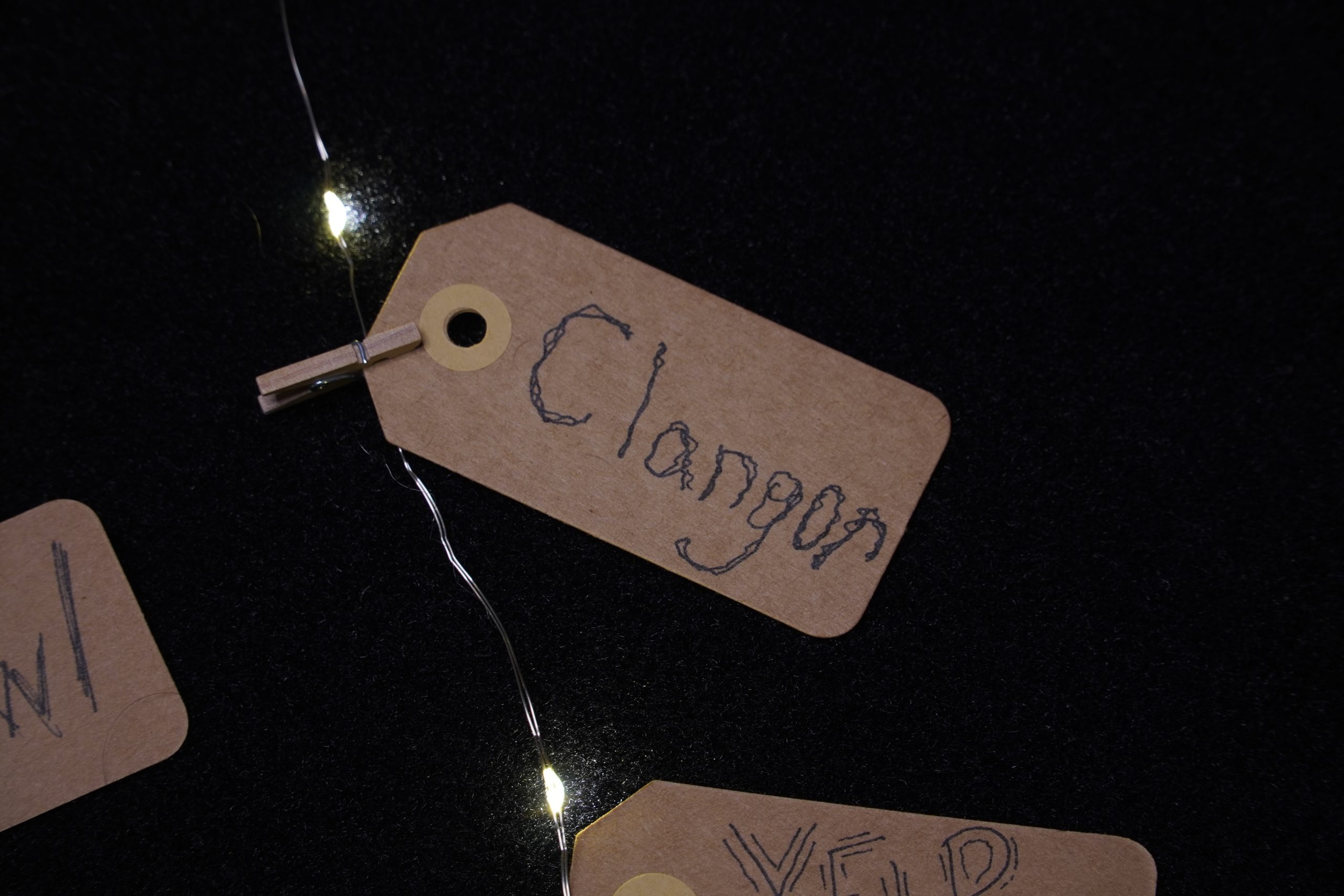
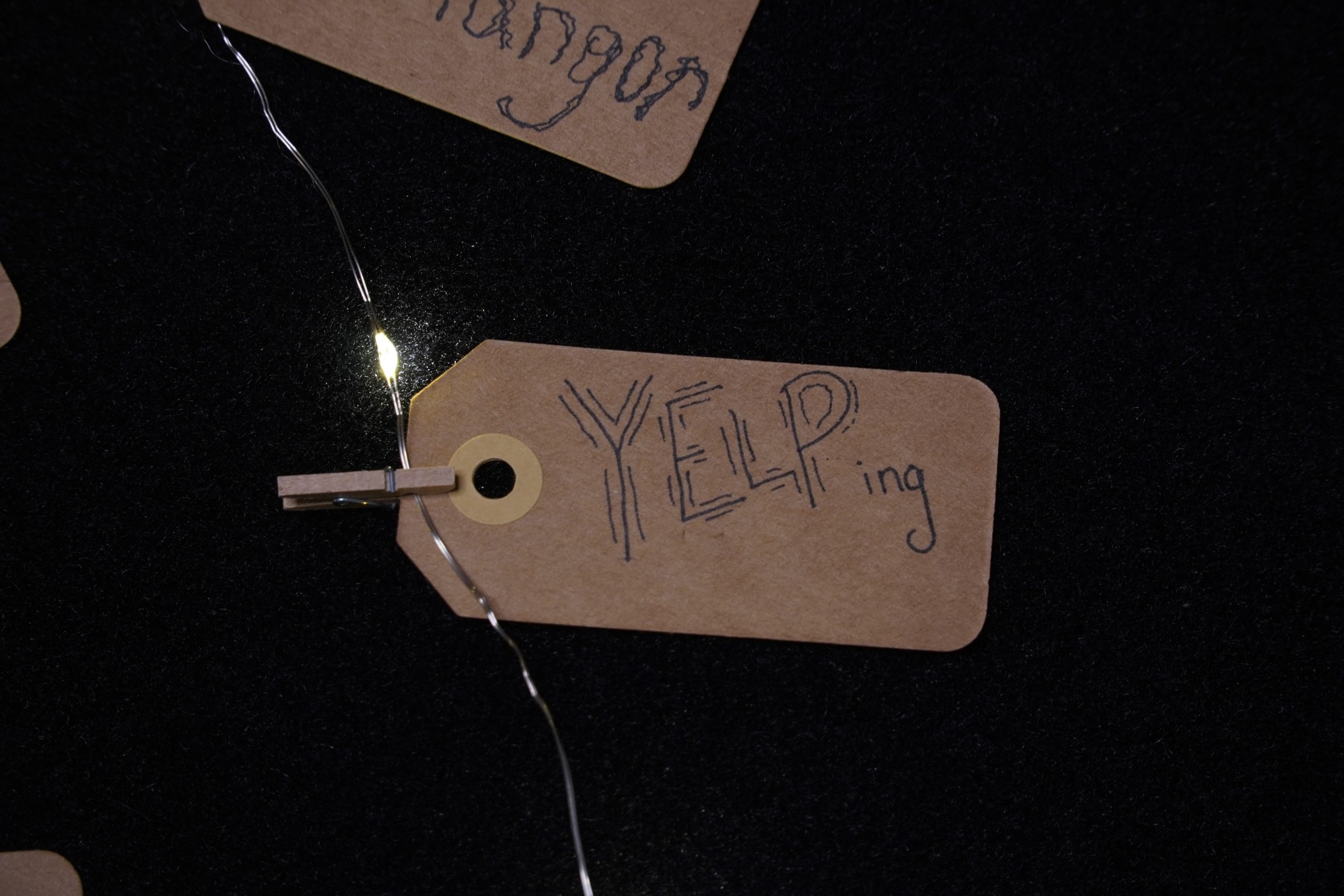
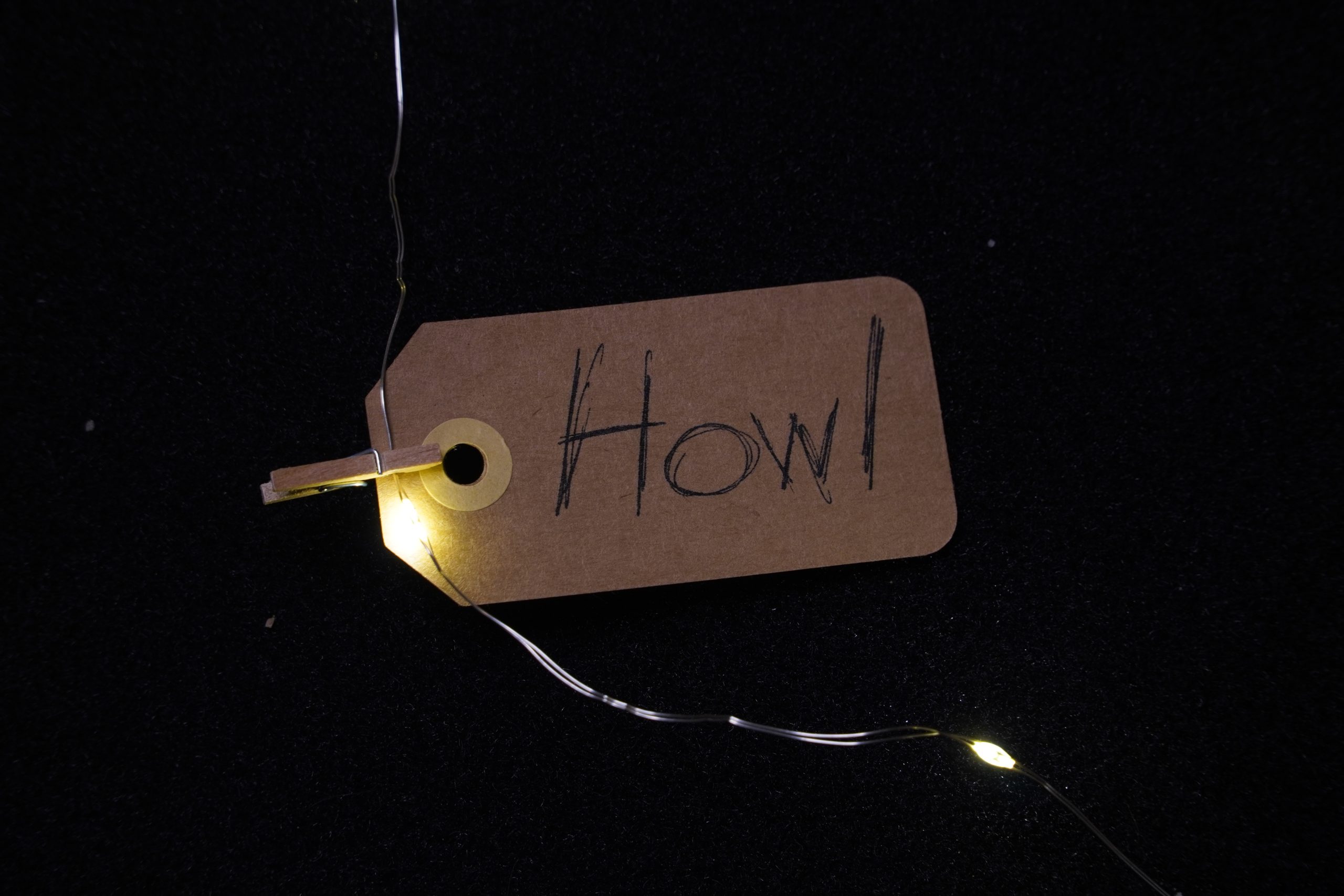
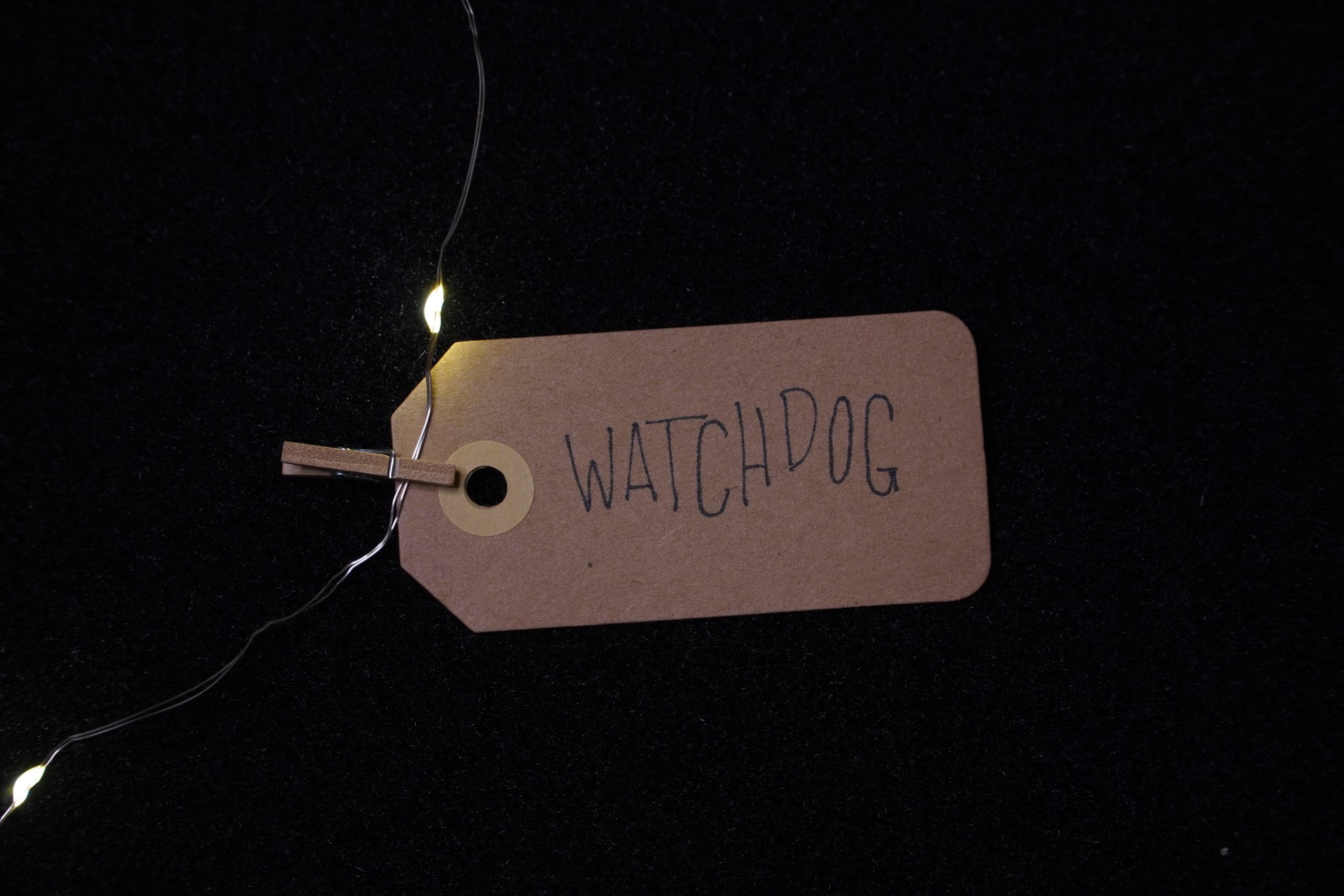
Watchdog moon, you shine as I block the bitter wind with my overcoat.

Watchdog moon you shine

as I block the bitter wind

with my overcoat.

Now you try!

Here’s how to enter:

Enter your own haiku here using today’s Shakespeare word—watchdog—to be entered into our giveaway! To receive additional entries, head over to our Instagram or Facebook pages, be sure to follow us, and tag a friend on our latest “12 Days of Haiku” post.

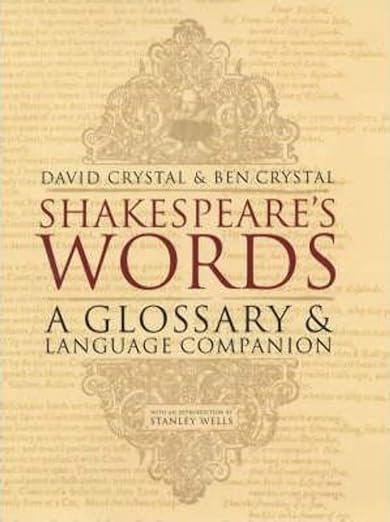
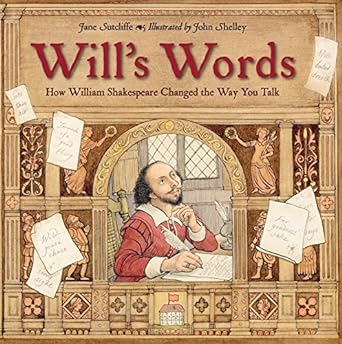
We will be giving away three sets of Shakespeare’s Words & Will’s Words. Three lucky winners will be announced 12/15/2023 on Instagram and Facebook!

Posted on

First Day of Haiku

Winter sun sets behind palms as moonbeams sprinkle the sandy shore like snow.


Winter sun sets behind

palms as moonbeams sprinkle the

sandy shore like snow.

Now you try!

Here’s how to enter:

Enter your own haiku here using today’s Shakespeare word—moonbeam—to be entered into our giveaway! To receive additional entries, head over to our Instagram or Facebook pages, be sure to follow us, and tag a friend on our latest “12 Days of Haiku” post.

We will be giving away three sets of Shakespeare’s Words & Will’s Words. Three lucky winners will be announced 12/15/2023 on Instagram and Facebook!

Posted on

Sentence to Haiku

Hokku is a 13th century form of Japanese poetry that was originally the short, quippy opening for a much longer poem, the renga. Hokku, over time, became the little poetic form we all know and love—haiku.

Here in the 21st century, the best way to begin writing a haiku is to craft a sentence of 15 to 19 syllables. For this exercise, let’s begin with a word from The Bard himself.

That’s right, Shakespeare. “Cheer” is a word that comes from the French who borrowed it from the Latin “cara” who borrowed it from the Greek “kara” but all three translate to the word “face’ not what you expected, right? Enter Shakespeare. In many of his works, as with this line from Richard III, he uses “cheer” as a verb that means uplifting comfort or encouragement: “And cheer his grace with quick and merry eyes!” And his use stuck!

So with Shakespeare’s word in mind, let’s compose a singular sentence that creates a snapshot of winter using the word “cheer” like this one:

Stars high above, cheer (5) / on snowflakes parachuting  (7) /winter  in season. (5)

Count syllables and you will discover this sentence has 17. This means it will divide perfectly into three lines with the first line of 5 syllables, the middle line of 7, and the last line of 5:

Stars high above, cheer

on snowflakes parachuting

winter  in season.

But what if this sentence was way too long for haiku form? As is the case with this 20 syllable sentence below, simply trim the three syllable word and you’ll have your haiku!

The stars high above me / cheer on snowflakes that twirl while / falling gracefully down to earth.


The stars high above me

cheer on snowflakes that twirl while

falling down to earth.

When the sentence is close, as is the case with these 16 syllable sentence, simply break into three lines as close to 5-7-5 as possible and, et viola!

Stars above cheer on (5)/ snowflakes dusting winter skies (6) / falling slowly (4)


Stars above cheer on

snowflakes dusting winter skies

falling slowly.

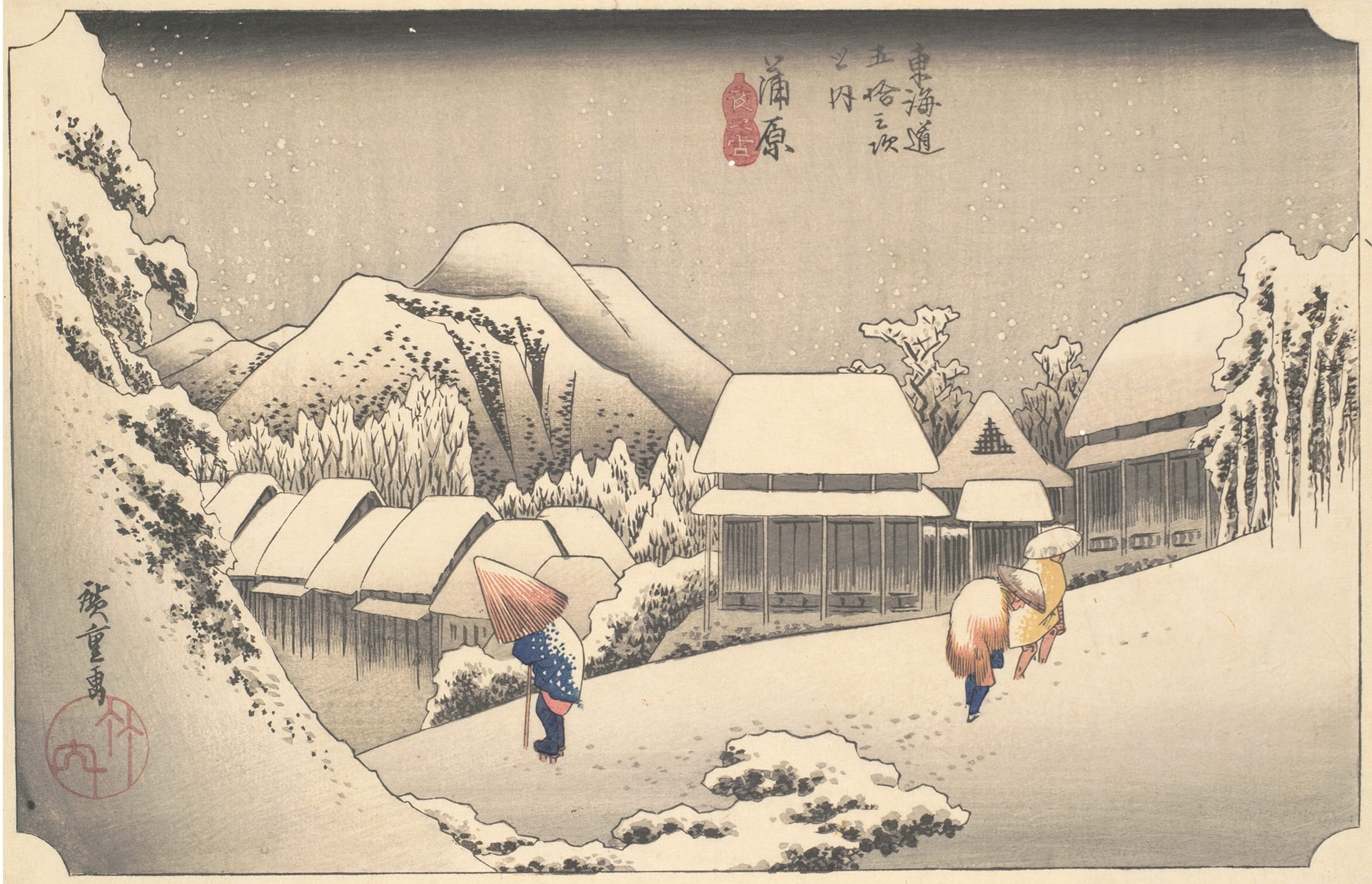
Night Snow, Utagawa Hiroshige, circa 1833, The Met.

Now you try!

Tomorrow is the first day of December. We hope you will follow along as we explore Twelve Days of Haiku. Don’t forget to check in on social media for our December Giveaway.


~Kimberly

Posted on

Three Ideas with Fall Leaves

It’s fall! Leaves are turning. Following are three ideas to help you “switch it up” with fall leaf activities! While reading the following ideas, listen to Vivaldi, Autumn from The Four Seasons performed by the Netherlands Bach Society. This will surely get the fall mood stirring!

One.

Listen to a fall leaf story, Leaf Man by Lois Ehlert is amazing place to begin! This one is also a fall leaf favorite.

Read a fall poem.

October by Robert Frost
O hushed October morning mild,
Thy leaves have ripened to the fall;
Tomorrow’s wind, if it be wild,
Should waste them all.
The crows above the forest call;
Tomorrow they may form and go.
O hushed October morning mild,
Begin the hours of this day slow.
Make the day seem to us less brief.
Hearts not averse to being beguiled,
Beguile us in the way you know.
Release one leaf at break of day;
At noon release another leaf;
One from our trees, one far away.
Retard the sun with gentle mist;
Enchant the land with a
methyst.
Slow, slow!
For the grapes’ sake, if they were all,
Whose leaves already are burnt with frost,
Whose clustered fruit must else be lost—
For the grapes’ sake along the wall.

Two.

Stitch a leaf. These leaves began with a leaf walk. Grab a basket and collect some freshly fallen leaves. Look up and, if possible, pluck a a few fresh leaves too. Once home, observe the different shapes you collected. Trace your favorite onto a piece of felt. Felt squares can be found at your local craft store. The felt we used was purchased on Etsy from an artisan who dyes beautiful colors with natural materials. Once the leaf shape is drawn on the felt, cut out the leaf. Now stitch the veins with matching embroidery floss using a simple running stitch.

This project is a really fun throwback to a classic that my sister-in-law, Tracey, beautified with unexpected bright fall colors and simple organic shapes! These leaves, once cut, are unfolded and embellished with a hole punch (all terrific fine motor for little ones), then veins are drawn with colored pencils. String these paper leaves for a decorative fall garland. Collect them in a little basket. You might even use these leaves as a little greeting card!

Three.

Haiku are the little powerhouses of the poetry world! They are a fun challenge involving the best of word play, mixed with a little finger counting to get the syllables just right! Here’s a brief “Haiku 101” to help you get started:

1. Haiku poems consist of a three-line stanza that has a total of 17 syllables written in the following pattern:

Line 1: 5 syllables
Line 2: 7 syllables
Line 3: 5 syllables

*Slight variations in syllabication is appropriate as this helps the poet maintain the “one thought in three lines” rule.

2. Haiku poems are observations of nature, often making reference to the seasons.

3. Haiku poems are like photographs, which capture moments in time. A  “haiku moment” describes a scene that leads the reader to a feeling.

4. Haiku poems were originally written as introductions to longer works of poetry and should be written as one thought in three lines.

Consider this simple, but lovely, fall haiku written by the Japanese poet, Matsuo Basho:

In the autumn night,

 Breaking into

A pleasant chat.

Ready to write? Try crafting a leaf haiku. Use photos in this post to inspire.

~Kimberly

Posted on

Three Ideas with Apples

It’s apple picking time! Apples are quintessentially fall. Following are three ideas with apples to help you “switch it up” with activities to enjoy those fall feelings…

One.

Listen to an apple story (this one was a favorite in our house).

Another favorite is How to Make an Apple Pie and See the World by Marjorie Priceman.

Read an apple poem:

A Drop Fell on the Apple Tree (794) by Emily Dickinson

A Drop fell on the Apple Tree —
Another – on the Roof —
A Half a Dozen kissed the Eaves —
And made the Gables laugh —

A few went out to help the Brook
That went to help the Sea —
Myself Conjectured were they Pearls —
What Necklaces could be —

The Dust replaced, in Hoisted Roads —
The Birds jocoser sung —
The Sunshine threw his Hat away —
The Bushes – spangles flung —

The Breezes brought dejected Lutes —
And bathed them in the Glee —
The Orient showed a single Flag,
And signed the fête away —

Two.

Paint some apples. This painting is a “study” (a copycat!). Pick up a canvas, some brushes, and a few tubes of acrylic paint. Before you begin, do some research. Do you know Paul Cézanne? Listen to a story about his apple paintings. Now study the apple painting by Paul Cézanne that inspired the copycat above! The first step of a painting is to prepare the canvas. Create a light brown to wash all over the canvas. This will dry quickly and once it does, use a pencil to sketch the apples—four on the top, and six on the bottom. Notice how each apple has a beautiful organic shape? There are zero perfect circles here! The next step is to add your big brush strokes of color—red and yellow and green. Can you mimic the colors? Here’s a hint: never paint straight out of a tube. To get a Cézanne red, you must mix a tiny drop of green into a quarter-sized blob of the red. To get a Cézanne yellow, you must mix a tiny drop of purple into a quarter-sized blob of the yellow. To get a Cézanne green, you must mix a tiny drop of red into a quarter-sized blob of the green. Mixing with complimentary colors (colors opposite each other on the color wheel) make beautiful complex hues! Practice mixing colors until you have colors that are similar to Cézanne. The dark blue-black outline work is the very last step.

Three.

Draw an apple and write an apple poem! Following are two photographs to inspire a small poem.  Fall is the time of year when we enjoy back-to-school. The leaves are changing and there may even be a scrumptious apple pie baking in the oven! Fall is the perfect season to write our ideas! What better way to capture a wonderful fall feeling than to craft a haiku for a change in season!


~Kimberly

Posted on

Write a Summer Sink Monster

LittleGuy

As summer sizzles her sunshine, be inspired by a delightful collection of clever images at our Write it…! board on Pinterest to write a poem or two. Write about some whimsical or fantastical creature from your imagination. Begin with sentences that you break into poetic pieces.  Remember to “show” the reader concrete sensory details. Take inspiration from the creativity of Lewis Carroll’s “Jabberwocky” and William Blake’s “The Tyger.”

Example-

Sink Monster

This one lived beneath the kitchen sink:

When I was a child, I could hear its

Subterranean gurgling from the pipeline guts

Of the basement. I could have sworn I saw

The tip of its fin peek out from the drain,

Or heard the snap of its jaws, with its many

Monstrously tiered teeth after turning the faucet off.

~Constance

Posted on

Caterpillar of Birds

Caterpillar_Birds

Write poem that is at once a story describing an image or event or memory. Be imaginative. Think Caterpillar of Birds. Be the blind man who thinks he is describing a snake but is actually describing an elephant. Draw more inspiration from metaphor and synecdoche.

“The Fish” by Elizabeth Bishop overtly describes the catching of a fish, but subtly describes the concept of choice, the wonder of the natural world, mortality, beauty, and more.

Example:


“Dropping a Plate While Washing Dishes”


I nearly caught it—

the plunge of dish from hand

frame by frame was frozen

as the slippery china slid,

still fleeced with shining bubbles,

from my gloves, and the wild waltz

of slippery fingers grasping

still failed to stop

its spiral to floor: one frame remains

still rendering in loops—

my heartbeat expanded into

throbs of meaty bass

the second when the runaway

nearly seemed suspended

above the unforgiving tile,

I stood staring like a friend

left behind on a train platform,

even after the floor burst

into a kaleidoscope, shreds

of blue glass.

~Constance


Posted on 1 Comment

It’s April… Read and Write Poetry!

Try Douglas Florian.

Winner of the Lee Bennett Hopkins Poetry Award and recipient of an ALA Notable Children’s Book Award, Douglas Florian is the author and illustrator of many children’s books. He believes there is only one rule when it comes to poetry, that there are no rules. Douglas Florian gives credit to his father as his first art teacher, who taught him to love nature. He begins his poems with research of the real thing and then uses that information to create an imaginary poem. Douglas Florian lives in New York City with his wife and five children.

Try Love That Dog.

What is a poem anyway?

I don’t want to
because boys

don’t write poetry.

Girls do.

Meet Jack, who tells his story with a little help from some paper, a pencil, his teacher, and a dog named Sky.

Although this guide includes many of the same elements as the other Level 1 guides, such as vocabulary and comprehension, the format is unique.Each week, your student will be encouraged and guided to write poems in the style of each poet being introduced in the story.

Try Locomotion.

When Lonnie Collins Motion – Locomotion – was seven years old, his life changed forever.

Now he’s eleven, and his life is about to change again. His teacher, Ms. Marcus, is showing him ways to put his jumbled feelings on paper. And suddenly, Lonnie has a whole new way to tell the world about his life, his friends, his little sister Lili, and even his foster mom, Miss Edna, who started out crabby but isn’t so bad after all

Poetry bundleTry Exploring Poetry.

Discover the poet within you!

This unit will help you discover the craft of writing poems and the delight of reading poetry. Over the course of seven weeks you will be introduced to some of the basic techniques used by poets, explore excellent poetry, and practice writing original poems. Each section is designed to be completed in about two, one hour sittings.

Posted on

Joy!

Joy
I bought these cookies at an after-Christmas-sale for $1 nearly 7 years ago. They have a shelf life in common with Peeps!

I keep them tucked in a drawer with my poetry trinkets. I take a peek every now and then when I need a reminder.

Much more than stale crumbs,

this is the wonder of chemistry

chuckling,

“Joy is intrepid!”


-Kim

Posted on

Fox, Crow, and Mistletoe

Fox_Crow

Inspired by this Native Vermont image discovered while poking about on Pinterest, take inspiration from a food chain. Take inspiration from the “>”mathematical sign, from the chain of dominance in games such as rock-paper-scissors. Now, write a poem!


Example:


Rock Paper Scissors


Rock is greater than scissors,

Crushing is greater than slicing,

Stoic stone crumbles the sharp

Metal beaks of plastic cranes


Scissors are greater than paper,

Slicing is greater than folding,

Sharp metal beaks chew through

The crumpled skin of a dry lotus


Paper is greater than rock,

Folding is greater than crushing,

Long petals stretch their crumpled

Flesh over the face of stoic stone


-Constance