Posted on 3 Comments

Device of Wonder

Kal2
Kal5
Kal1
Kal3

Way back in the fall of 2001 we made several trips to The Getty to marvel at an exhibit of fanciful machines, Devices of Wonder. Back then Søren was barely two-years-old so he made his way via a stroller. But I guarantee, even back then my youngest boy was captivated.

One evening this past week, three weeks into Da Vinci Summer—our family’s DIY summer tradition—twelve-year-old Søren handed me a handmade device.

My husband and the boys have a tinker chest out back that keeps all sorts of cast off gadgets that this mom would not have the vision to keep. For this particular project, Søren chose a piece of square tubing that was once-upon-a-time a bathroom towel rung.

“Look mom,” I made a kaleidoscope, “but you have to look through it in the dark.”

So I followed his instructions and went into the closet, held the tube that Søren had carefully duct taped at both ends, peered through the end baring a peep hole and beheld the geometric activity of seven activated glow sticks, “Wow!”

This was no ordinary kaleidoscope.

And, though I believe my Søren is no ordinary son, I honestly believe that every child possesses certain genius. But certain genius demands certain prodding. And sometimes saying, “No,” is just the thing.

No TV.

No texting.

No Facebook.

No Youtube.

No video games.

No… !

Leonardo said, “I have been impressed with the urgency of doing. Knowing is not enough; we must apply. Being willing is not enough; we must do.”

But the technological world has a pesky way of diverting the child from the world of curiosity, and when the child is diverted from curiosity, then doing, at least the kind that Leonardo is speaking of, becomes quite impossible.

Søren’s kaleidoscope is a product of doing.

And as an aside, pay a visit to the virtual Devices of Wonder exhibit at The Getty, an online activity that deserves a hearty, “Yes!”

– Kim

Posted on

Da Vinci Summer III, Stitch a Tradition

Sewa
Sew2
Sew3
Sew4
I never could relate to spring cleaning. The timing just never worked out for me when Evelyn and Wesley were young. March, April, and May were busy with culminating end-of-the-year school activities. I'd say summer purging was more the thing, out with the old, space for the new.

Now that both (yes, both!) my children are off to college, summer purging has turned to summer reminiscing. Anticipating Evelyn's homecoming, I dug up memory lane in my daughter's kindergarten box. Was it really that long ago that I used stitchery to help develop fine motor skills? Did I introduced embroidery to strengthen handwriting or did I use handwriting to strengthen embroidery skills? Now there's a question.

In either case, we did a little embroidery to embellish all subject areas. We stitched a color wheel and discussed the physics of light. We stitched texture as we discussed and observed the elements of visual art. We stitched the ABCs. And we stitched the world when we explored the complexities of geography.

Scraps of fabric, an embroidery hoop, needle and floss will get the process started. It will look funky at first but you’ll see huge progress over the years.

Both my daughter and my son stitched. Looking back their stitching proved quite academic. In the early years they strengthened hand-eye coordination, learned to slowly attend to detail, became comfortable with problem solving. This little habit of being was a way to bring shape to an original idea sparked from some bit of information they were learning to master. When we studied California history, we fashioned an elaborate quilt that stitched together their knowledge of geography in a way that meaningfully stitched what they had learned into their memory.

Embroidery is an art form and like all art forms is a language worth the student's attention. I say summer is just the space to introduce the art of embroidery.

– Sara

Posted on

A Souvenir of Stars

Mill
This summer we’re exploring our Italian roots via an extended virtual tour. It’s such fun visiting all the places we would visit if we could really visit. Thanks to the wonder of technology, we can experience the landscape of Italy in the comfort of our home.

We’re beginning slow. On Sundays we eat Italian, risotto is a new family favorite that we are trying to perfect. Our touring is geographic and historical and with each click, we wander where our heels lead. Art, music, people, events, we never quite know where the trail will lead. And the great thing about a trip like this is that we can afford to stay as long as we want!

By mid-June we dove into year-one Rosetta Stone. On the 4th of July when we decided to explore the Venetian art of Millefiori, we were daring enough to venture the art of translation. “Millefiori” is Italian for “thousand flowers” by the way. Originally this art form was accomplished with glass and fire. Thankfully, nowadays a millefiori-esque process can be used to make designs with polymer clays. So we pulled out our tub of Fimo and experimented. Using the Millefiori cane technique, we made long tubes with the simple star shape and were delighted by the simple act of slicing star after star until the tube was a transformed to a mass of tiny beads—a souvenir of stars.

– Kim

Posted on

Mom’s Day Blossom Cards

I have to say, I'm always a little proud of myself when I can scrap together a cute and do-able art project for my 5 year-old with materials I already have on hand. And since I'm not a huge fan of pre-printed drug store cards I decided to make some springtime blossom cards inspired by the Bougainvillea growing in our backyard.

First I gathered some random envelopes and card stock in lovely spring colors. I think I've literally had these envelopes for over ten years. Today their destiny has been fulfilled!

Mom4

Next I prepped the paint. I love craft paint. I'd buy every color if I could! I picked three colors for the blossoms, and for the stems I watered down a few drops of green paint in a small bowl.

Mom1
Mom2

For our "paintbrush" I used a cotton ball and clothespin to help keep little fingers cleaner. I decided to cut the cotton ball down to make it a bit more manageable and discovered a perfect blossom pattern hiding inside. I love happy accidents!

Mom3

Time to make art! I puddled some of the watered down green paint at the bottom of the card and gave my boy a straw that I had cut in half. I encouraged him to blow the puddle around to create the stem and branches. It helped for me to rotate the card as he was doing this to spread the design out a bit. I have seen this techinque many times throughout my blog surfing adventures and I was thrilled to be able to finally try it out.

Mom7
Mom8

Next came the blossoms themselves. I squirted three small blobs onto a plate to mimic the colors of the Bougainvillia blossoms. Very little paint is required, depending on how many cards you want to make.

Mom5
Mom6

Taking the cottonball brush, my boy then added the blossoms. I encouraged him to "plant" them at the end of each stem. I have to say he did a pretty good job with that. Don't worry, should your young artist go on a wild dabbing-spree, the result will be just as perfect and adorable.

Mom9
Mom10

Once the cards dried we added a simple, heart-melting message to the inside.

Mom14

This was such an easy, quick and fun crafting session with awesome results. And we've still got a day to get some of these into the mail for grandmas.

Honestly, even though I know what's coming, I'm so excited to open my own card come Sunday!

Mom13
Mom11
Mom12

HAPPY MOM'S DAY and blessings to all of you amazing mothers out there! What you do is important!

-Tracey

Posted on

Sugar Cube Construction

I have vivid and happy memories from my elementary school years of building my California mission out of sugar cubes. Being that my brother is five years older than me, I was lucky to always have a preview of what was to come for various school projects. Willie was (and is) a master builder, inventor, and maker of all things cool and mechanical and as a faithful little sister, I basically worshipped him, and everything he did and made. His creations were my inspiration and although I never quite matched him in precision and craftsmanship, I am grateful for what he showed me was possible.

Sugar cubes aren't quite as common at the supermarket anymore but if you come across them, snatch up a box or two for a "sweet" construction session. They provide a great exercise in self-control…and hold magical potential for architects of all ages with their sharp edges, sparkly whiteness, and grainy texture. After all the hard work, don't forget to reward your young builder with the thrill of crunching through one perfect cube of 100% pure sugary goodness!

– Tracey

IMG_8335
IMG_8333
IMG_5362
IMG_5359
IMG_8329
IMG_5342
IMG_8327IMG_8324

Posted on

Handprint Valentines

I'm in charge of preparing the craft activity each week for my son's adorable little Wednesday morning preschool group. My first click is almost always The Crafty Crow, followed closely by Pinterest. I never come up empty-handed, in fact it usually comes down to having to eliminate ideas and decide on just one. So hard to do sometimes.

Truth be told, I'm a sucker for handprint crafts, especialy for this age group. (Although I have seen teenagers gleefully line up to create these fun snowman ornaments.) There is just something so cute and magical about using little hands to make art…it's a creative and whimsical way to record the growth stages of our precious wee ones. And who can resist those paint-laden, pudgy little fingers!

So here's a last minute Valentine's Day idea that requires very little in terms of supplies. They come together quickly and are perfect for mass production. You might even be able to get a few in the mail today!

A huge "heartfelt" thanks to Rosy-Posy for the original inspiration! We modified things a bit, using colored paper and outlining the heart with glitter! You can find the complete step-by-step post here, and click around her blog for many other great ideas and musings!

Happy Hearts Day!

– Tracey

Heart6
Heart1
Heart2
Heart5
Heart4

Posted on

Sweet Tradition

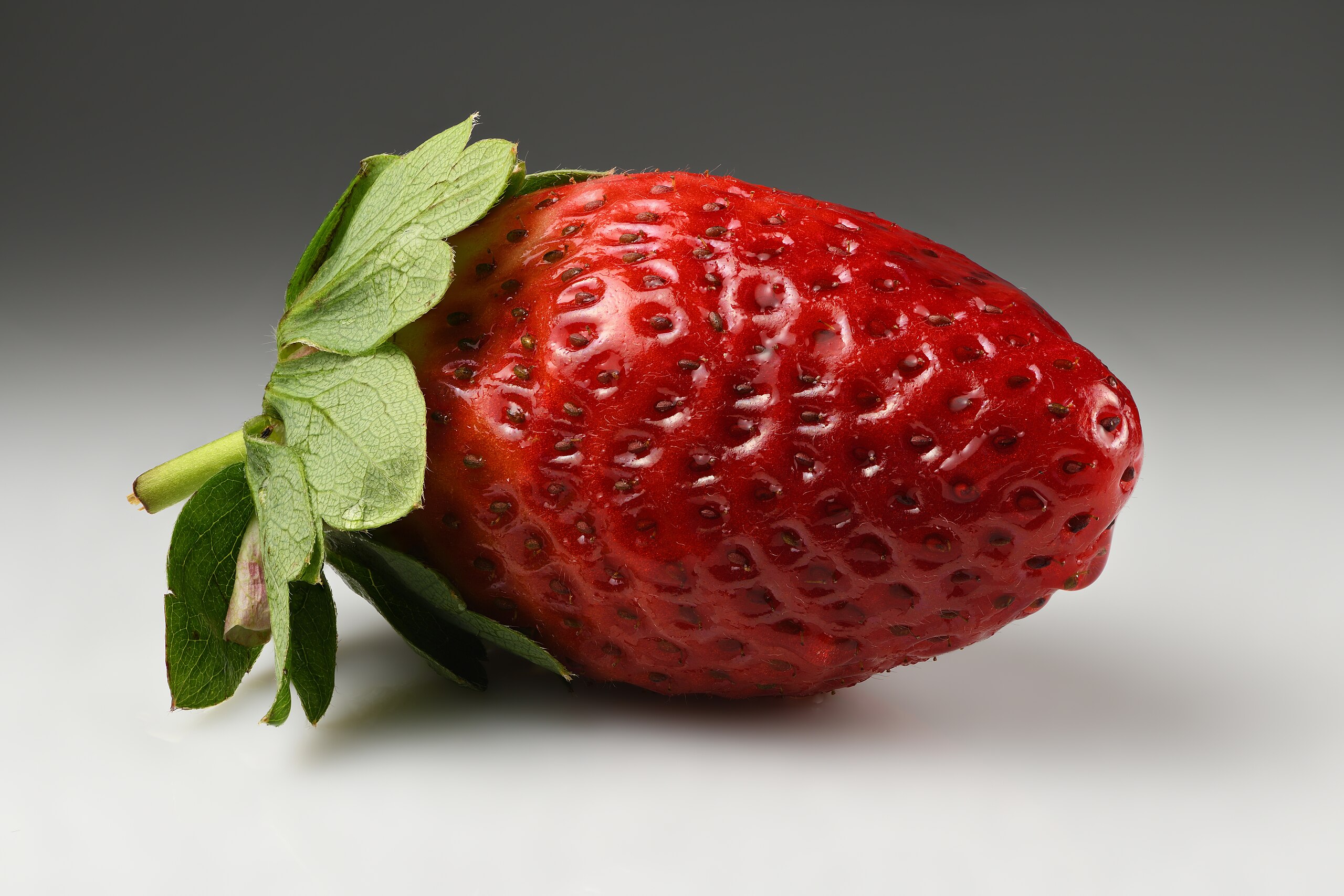
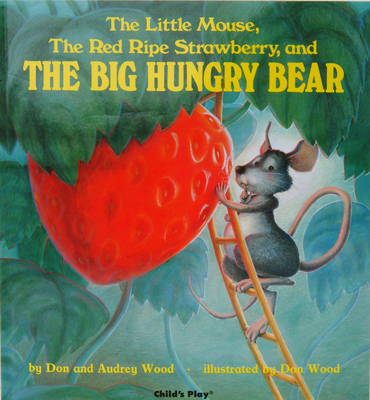
When Hannah was little, one of her favorite books was The Little Mouse, the Red Ripe Strawberry and the Big Hungry Bear. We read this story over and over! The story is clever, rhythmic and provides terrific opportunities for garden and kitchen fun. We grew a pot of strawberries, picked them and popped them into our mouths as we read, we made strawberry shortcake, strawberry tarts, strawberry sundaes. But by far Hannah’s favorite was strawberry freezer jam because she got to SMASH the berries in a bowl.

Recently I pulled the book from our collection of read-alouds, and placed it on the counter next to the supplies for freezer jam. Twenty-one-year-old Hannah was delighted. She flipped through the pages, but “read” the story from memory!

The fruit of tradition is sweet as any strawberry!

This recipe is SO easy and super fun to make…. red ripe strawberries, sugar and pectin… voila! Follow the instructions on the package of Ball No Cook Freezer Jam Fruit Pectin.


~Kimberly

Posted on

Home Ec: Eggs

Summer is a great time to acquire some habits that have been deemed extracurricular, habits that I believe are not supplementary at all, but a vital part of learning.

Making recipes with your children provides them the opportunity to learn basic cooking skills that will serve them the rest of their life and is a perfect time to show them some science.

Home Economics is my passion, so here goes…

To begin, choose a recipe that is simple and delicious. Next, decide what specific science topic the recipe will allow you will explore.

Soooo, let’s make some Sparkling Sugar Kisses! These yummy meringue cookies are easy and fat free. This recipe below is from the King Arthur Flour Cookie Companion.

Making meringues is the perfect gateway for a little lesson about eggs.

Eggs are composed of the shell, which holds the egg inside. Shells are produced in a range of amazing colors because they come from different breeds. While it is terrific fun to explore shell color, any color will do when it comes to making meringue.

Just inside the shell is the membrane.

DSC_0394

When you crack open the egg you will see the yellow yolk sitting inside the albumen.

Out of the shell, fresh eggs stand up taller and firmer on the plate. The white should be thick and stand up around the yolk. The yolk should be firm and high. A less fresh egg will be runny and flat.

The chalaza, it’s the white cord that holds the egg in place inside the shell. There is an air cell between the shell and the membrane that grows larger with age.

J2240x1488-141

Eggs are evaluated by passing them over bright lights where the interior quality can be seen. Grade AA eggs have a firm white and a thick round yolk and perfect shells. Grade A has “reasonably” firm whites and perfect shells. Grade B has thinner whites and some stains on the shells.

Now to the subject of sizing eggs. The size does not refer to the dimensions of an egg or how big it looks. Size tells you the minimum required net weight per dozen eggs. So Jumbo eggs have 30 oz. per dozen, ranging all the way down to Peewee eggs which have 15 oz. per dozen. Most standard recipes call for AA large.

The best thing about eggs is that they are high in protein, vitamins, and minerals.

Now on to the making….

To make a proper meringue you have to do a few things to ensure success.

Always begin with room temperature eggs because when you whip them more air can be incorporated so the volume will be bigger. To warm them fast just place the eggs in a bowl of warm water for a few minutes.

Make sure the mixing bowl and whisk you will use to whip the whites are clean. Wash them in warm soapy water to degrease. Fat will coat the ends of the egg white’s protein, which greatly diminishes the whites ability to hold air.

J2240x1488-84

Now you are ready to separate the whites from the yolks. Strain them through clean fingers! Most recipes for meringue call for a little salt and cream of tarter to help the molecules of whites hold onto water and air molecules—chemistry in action!

To beat the whites, use an electric mixer or whisk them by hand. Either way the whites go through several stages.

J2240x1488-455

The first stage is a puddle of clear liquid. As you begin to beat, a puddle with foamy air bubbles will emerge. Eventually the whisk begins to leave tracks in the bowl. To test which stage your whites are in simply lift up the beater out of the foam. If a point forms and falls over immediately, you’re looking at soft peak. From here 15 to 20 more strokes will bring you to medium peak, and another 15 to 20 strokes to stiff peaks. Be careful, don’t over beat the meringue because liquid will begin to separate out from the foam and you’ll end up with grainy, lumpy looking whites.

J2240x1488-457

Meringue calls for super fine sugar because it makes a less grainy meringue. To make your own super fine sugar simply give it a good spin in the food processor and the crystals will get super finer!

Make sure not to add the sugar too soon in the beating process. Start adding gradually somewhere between soft and medium peaks.

By the way, this recipe calls for vanilla, but I flavored mine with peppermint extract. You can even crush peppermints to add to the batter. Be creative!

– Sara

DSC_0168 (2)

Line
Sparkling Sugar Kisses

Yield 2 dozen // Baking temp 250F

• 2 large egg whites

• 1/8 teaspoon salt

• ¼ teaspoon cream of tarter

• ½ cup (31/2oz) sugar, superfine preferred

• 1 teaspoon vanilla extract, or the extract of your choice

• Coarse sugar

Preheat the oven to 250F. Line 2 baking sheets with parchment.

In a large, very clean, nonplastic bowl. Beat the egg whites until they’re foamy, then add the salt and cream of tarter. Add the sugar gradually, continuing to beat until the meringue is thick and glossy, and forms stiff peaks. Beat in the vanilla at the end.

Drop meringue by the tablespoon onto the prepared baking sheet. Sprinkle each with coarse (or colored) sugar. Bake for 1 hour, then turn off the oven and let the kisses cool in the unopened oven (don’t peek!) for 11/2 to 2 hours, or until they’re dry and crisp all the way through. Remove them from the oven and store in an airtight container.

It you use a tablespoon cookie scoop, don’t heap it; level it off; to obtain the correct size and number of cookies. For fancy meringues, pipe them onto a sheet using a pastry bag and the tip of your choice.

Variations: Stir in ½ to ¾ cup mini-morsel chocolate chips after the vanilla.

DSC_0004

Posted on

Folds

FoldsA

“There are several words that sang above the rest in my high school science classes.

From botany, photosynthesis is the one.

From marine biology, Echinodermata and Coelenterata.

From chemistry, stoichiometry.

And, from cellular biology, mitochondria captured my imagination.”

So begins the lesson.

"Mitochondria located in the cytoplasm are little energy factories within the cell. These amazing organelles enable respiration, which allows the cell to move, to divide, and to thrust their unique purpose. Mitochondria can have different shapes depending on the cell type. Because they contain their own DNA, ribosomes and can produce their own protein, mitochondria are only partially dependant upon the host cell."

What I set out to explore with my students is the fact that mitochondria possess a double membrane, an outer, which is smooth, and an inner, which possesses many folds called cristae which exponentially increase membrane surface area.

“All living cells have mitochondria. But it is amazing to consider that typical animal cells have up to 2000 mitochondria… in each cell!”

I wanted to take their imagination on a journey between these folds.

FoldsB

“Folds give mitochondria their unique potential; enable the organelle to be highly productive. Cristae take batches of sugar and oxygen and produce ATP (adenosine triphosphate)—cell food.”

At the beginning of the year, science began by exploring the idea that science and art are uniquely connected.

Leonardo himself reminds us, “All our knowledge has its origins in our perceptions.”

My hope was to connect the exploration of mitochondria to the unit we had just completed on the human nervous system. We explored the potential of individuality as we explored the brain—human potential, genius. And here another potential to bridge the gap between learning information and sparking individuality presented itself, this time on a cellular level.

“So today, to continue our exploration of mitochondria, we are going to watch a film about origami.”

Yes, origami.

The students gathered round the TV. I popped in the DVD and set out to accomplish some administrative goals.

Not far into the film I overheard the little group letting out amazement. I was not surprised. But soon I witnessed something that caught me off guard. One-by-one individual students from the group ranging from the 5th through the 11th grader, got up to grab a stack of paper.

They were folding.

The film did not provide a directive to viewers. This was not a "fold-along" film. These students were engaging in the task spontaneously.

Being inspired is magnificent.

During the next biology workshop I provided instructions and large pre-cut squares of paper for the students to fold a hyperbolic parabola. This, to reinforce the film’s message that even paper has hidden potential.

“Folding paper is work. But your work is not in vain. Your work utilizes a fraction of potential. And the paper will never be the same.”

Dare I say, neither will they?

I think mitochondria is one of those words that will stick.


Posted on

The Book as Mentor

Mozart Season Bundle

If we dig deep enough into the heart of a story, dig to its very core, I believe we will always spark curiosity. And when we press into that curiosity, we often discover a treasure to inform our own life. A good mentor leads us by the hand on an exploration of discovery that will make us a richer person.

As I am passing out the books and discovery guides, I introduce them to the story, “Allegra Leah Shapiro has been selected as a finalist in a prestigious violin competition and this stirs up all sorts of inner conflict.” 

Why does summer have to be so hectic? 

What does it mean to be half Jewish and half gentile? 

Why is soprano, Diedre, crying?

How can I be a twelve-year-old a violinist and have time to be a friend?

Why is my brother so annoying?

How has Mr. Trouble lost his song?

What is this gift from Bubbe Raisa?

And what of this great-grandmother I’ve been named after?

Will I be able to dig deep enough for Mozart?

Can I undo what has been done?

The Mozart Season,” I tell them, “is a quiet story, one filled with resounding music that just might change your life.” I leave it there, hand them the book and tell them I am looking forward to what will unfold.

Five months later, I gather my group together to congratulate our writing and visual art students who were recognized regionally by Scholastic Alliance for Young Artists & Writers this year, plus two high school students who had work published in an international online literary journal.

As I am handing out the awards, it dawns on me that four of the award winning projects began with the writers and artists responding to The Mozart Season and blossomed into something imaginatively original.

A great book can be a mentor.

Here you can view a short film inspired by the book as well as a beautiful piece of writing by a 6th grade student.

Gurgle gurgle, trickle trickle, swish swish swish, everything is music. The bubbling fountain sings a heart shattering song while the wind hums a chilling melody. Rain jolts in, dancing on its stony stage.  He stares into the shame of another day, where bold shapes of towering buildings blot out the rising sun. Glass windows taunt the morning dew. The dense noise of honking horns and blaring radios submerge as the day grows old, life in the city. It’s all a blur–work, school, play, eat, sleep–never ending cycle. Those who can’t keep up are thrown to the side. There are no second chances in the city. Money is what matters, money money money. Without money you can’t survive, no need for creativity in the city. So he has no purpose, The man, his music, and a violin.

Want to inspire your students to dig deeper? Consider exploring The Mozart Season using our Blackbird & Company Literature & Writing Discovery Guide.


~Kimberly