Posted on

Fall is Just Around the Corner!

And its, by far my favorite time of year…

Fall feelings are near!

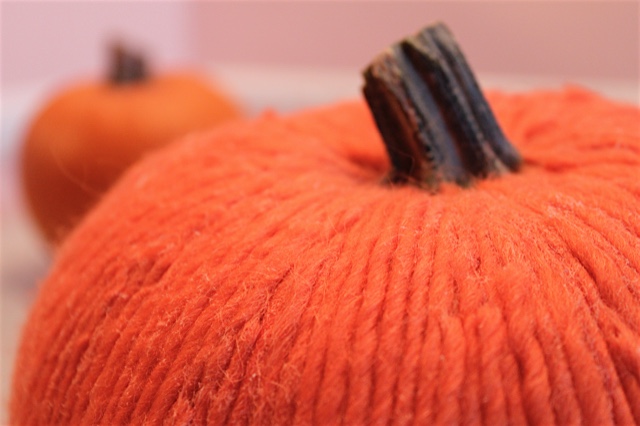
Once upon a time, over two decade ago (wow), our family covered this white pumpkin with orange yarn—one strand at a time. What’s the point of this, you ask? Delight springs to mind. But looking back, it is precisely these types of activities that built patience into my four children. They will be the first to tell you that nothing beautiful happens speedily! This project took many October days to complete in little spurts.  During the process my four exercised their observation skills. They became very aware of the fact that the pumpkin’s shape is organic, non-symmetrical.  They gained fine motor skills applying glue with a brush, cutting a strand of yarn just the right length, and affixing. Ultimately, they exercised grit by seeing this exercise to its conslusion.

Never discount the power of a good craft!

Now, during the last slow days of summer, is the time to get busy preparing.  Whether you are teaching primary, elementary, middle or high school students ELA, we’ve got you!

Primary is Kindergarten, 1st and 2nd Grade

For primary students be sure to check out Print Shop which is chock full of ABCeDarian crafts—crafts tied to the sounds of the alphabet. Why? Because English Language Arts is an art form that requires curiosity, imagination, and hand skills. After all, we believe the best technology for learning to write well is the pencil. Download projects, gather material, and be prepared to begin the school year with ease.

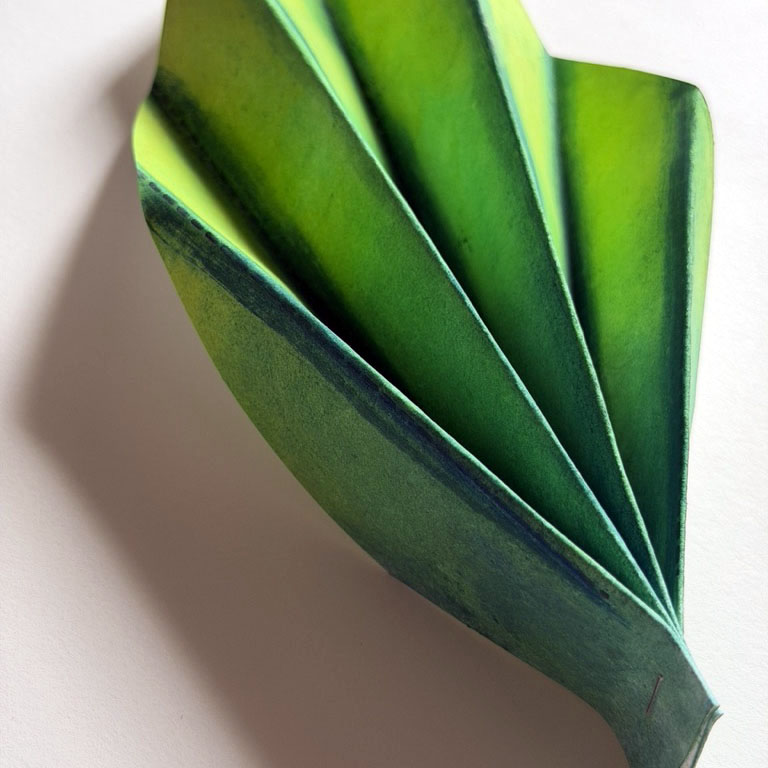
L is for Leaf 01

Elementary is 3rd and 4th and 5th  Grade

Help your students build a rich lexicon—their very own collection of words. Check our our Print Shop introduction to the wonder of words with this Collective Noun downloadable activity.

And begin the 3rd grade with Operation Lexicon Traits of Character to help your students collect a specific collection to describe the rich characters they will encounter as they read stories.

And click through to Print Shop, More for Teachers, and you will discover our brand new Reader’s Guides. These are crafted to walk with you through a close reading, offering some insights that we hope will inspire you and your students.

Reader's guide: Grayson

Middle School is Grades 6 and 7 and 8

In middle school, students are learning to use rhetoric to make their sentences stylish. One True Sentence: Tools of Style, begins in 5th grade and really ramps up in middle school. Amplification? Polysyndeton? Tools of Style help students write better sentences. Print Shop Writer’s Guides offer more practice along the way.

High School is Grades 9 and 10 and 11 and 12

This is where Blackbird & Company students take flight! With CORE Level 4, students will read and explore characters, themes, symbols and motifs, journalling for four weeks and culminating in a literary essay guided each step of the way.

Our Pages Online offer Literature + Writing Level 4, Intermediate and Advanced Composition,  plus Art History / Studio and Music History / Appreciation electives.


Now’s the time to get prepared! Fall is around the corner and this means the start of a brand new school year. We’re here to help!

Posted on

ABCeDarian Activity Box

Coming Soon!

Blackbird & Company will be expanding its offering to support primary students (TK, K, 1st, and 2nd) in the art of gaining skills that are often overlooked in our electronic era.

Cutting, pasting, coloring, painting, folding, and making actually set the stage for higher learning. More significantly, the activities we are providing will always offer a little nugget of knowledge tied to A and b and C!

This kit will include books and projects—anatomy, animal life cycles, color theory, fine art, butterfly craft, the alphabet, and much more. Everything in the box will promote independent learning, fine motor skills, focus, patience, and offer information to build the fund of knowledge. Simply stated, the ABCeDarian Activity Box is certain to delight!

But here’s the thing: We are only making 50! Yes, FIFTY! Because of the handmade nature of the ABCeDarian Activity Box, we decided to treat it very special.

Watch closely for the release next month when Print Shop for Primary goes live.

Don’t miss out!

~Kimberly

HAVE YOU STARTED PLAYING SUMMER BINGO?

Download your Summer Bingo for free on Printshop HERE and submit a picture of your completed bingo sheet below to enter the raffles. Bingo will run June 1st through August 31st—so print out your bingo sheet and get to crossing off squares!


Summer Bingo!

Posted on

Summer Phonics for Reading + Writing

Does your student struggle to spell well? Stumble to decode simple words and phrases? Or do you have a student who just needs a bit more direct instruction, a bit more time for slow, methodical practice? Summer’s here! Time to help these students fly.

What if you had everything needed to engage your students in the process of remediating reading and writing skills at your fingertips? We’ve got you!


Click through to:  The Wonderful World of Phonics

Reading builds a rich vocabulary, grows our knowledge of the world, and sparks BIG ideas.

Writing begins with an idea and is crafted to words on a page by a courageous thinker.

Our open-ended unit provides you, the teacher, with all the tools necessary to guide your students into the wonderful world of phonics. Our curriculum, rooted in Orton-Gilligham wisdom, is user friendly and affirming for the older student who needs additional direct instruction and independent practice to shore up skills. Includes all you need to know about phonics, a placement guide, plus lesson guidance each step of the way.

Help your students dive into 2026 with the ELA tools that will enable them to read and write and think well!


DON’T FORGET TO PLAY BINGO!

Download your Summer Bingo for free on Printshop HERE and submit a picture of your completed bingo sheet below to enter the raffles. Bingo will run June 1st through August 31st—so print out your bingo sheet and get to crossing off squares!


Summer Bingo!

Posted on

Just Right Readers Giveaway

 Books for primary readers are categorized into levels of difficulty—Just Right Readers.

Some of these books are categorized by grade level (GRL), some  by a developmental readiness assessment (DRA), and others still are categorized by a Lexile measure. The purpose of these readers is to provide opportunities for children to read as they are mastering the patterns of phonics.

“Phonics is a method of teaching students to read and write by helping them HEAR.”

In the English language, there are 44 sounds that make up every single spoken word.  These sound bites are called phonemes. The 26 letters of the alphabet are combined in various ways to replicate the sounds we hear. These are called graphemes. There are around 250 graphemes to write the 44 phonemes! Phenomenal, right? This is the heart of phonics.

During kindergarten and 1st grade, students using our Hatchling curriculum are introduced to over 150 of these graphemes setting them firmly on their way to reading and writing well. As students are introduced to phonics, it is important to practice both reading and writing. Early on, during kindergarten, students will have limited skills. At first, once the consonant and short vowel sounds are mastered, they will be able to read and write “can” or “fun” or “let” with ease. However, they might write “pepl” for “people” because those are the sounds they have mastered. As more complex graphemes are introduced (consonant blends, digraphs, long vowel patterns and so on), the reading and writing lexicon increases. Phonics is the science of reading and writing

This is where Just Right Readers enter the scene.

Just Right Readers are just right for primary readers. So fill a basket with wonderful stories for your Kindergartener, 1st, or 2nd grader. I promise Amelia Bedelia will make them chuckle! I promise she will stand the test of time.


During the month of May we will hosting another Giveaway! A wonderful set of Just Right Readers by Kate di Camillo. Enter below daily to increase your chances of winning!


Just Right Readers Giveaway

~Kimberly

Posted on

Print Shop Coming Soon!


Come January, Blackbird & Company will be launching Print Shop!  Our awesome collection of downloadable Discovery activities are designed to engage students, Kindergarten through 8th Grade, in focused, independent work pinpointed on specific academic skills with opportunities to build upon the fund of knowledge.

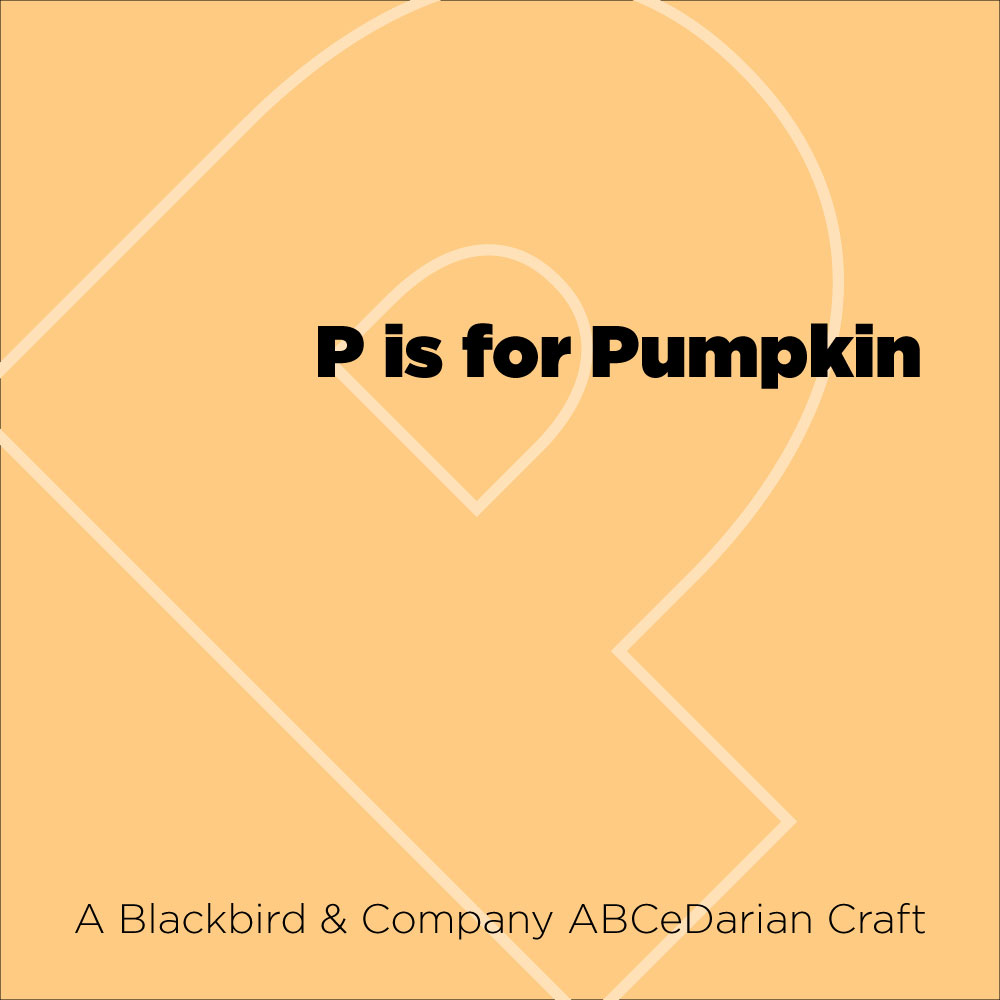
This month we are releasing a sneak peak, three great Print Shop activities for primary students tied to the letter P for FREE! What is more quintessentially Fall than pumpkins? These multi-sensory activities are sure to engage and enrich learning.

Simply click through, print, and let the Discovery begin!

And, please stay tuned for  more details during our January Campfire 2026.

Posted on

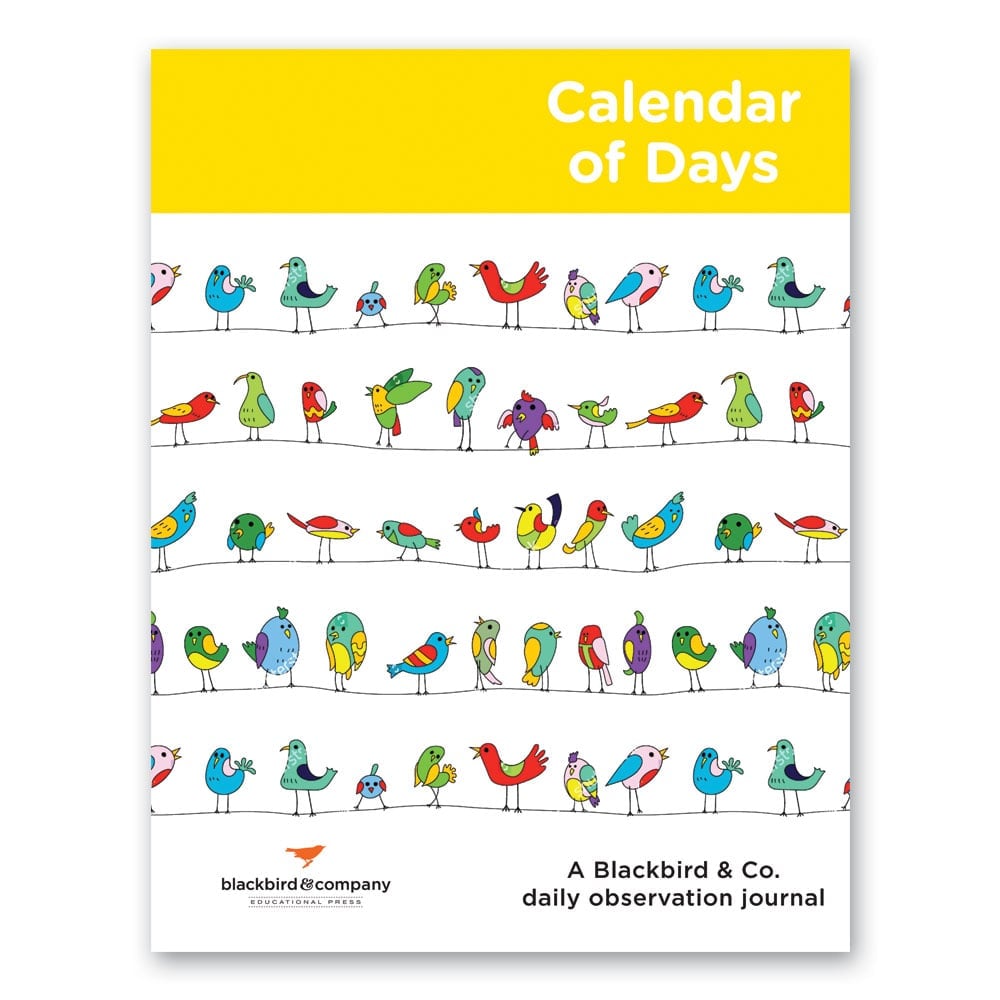
Back-to-School with Calendar of Days

Calendar of Days is designed to be the first thing you do to start each day. It’s the special “opening” activity designed to support observation skills, to apply math skills, and much more. For example when counting days, you have the tremendous opportunity to count by 2s, to count by 5s, to even explore place value as the number of days in school grow to groups of ten and beyond. This activity will become a morning tradition as your students count up and count down to summer! And all this is lovely learning is accomplished during gentle start of day conversation.

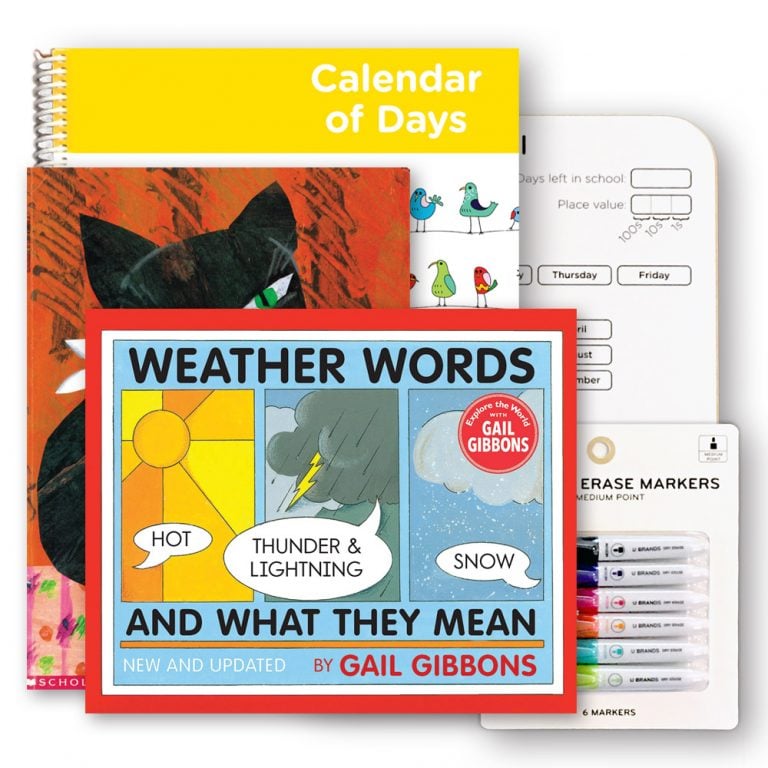
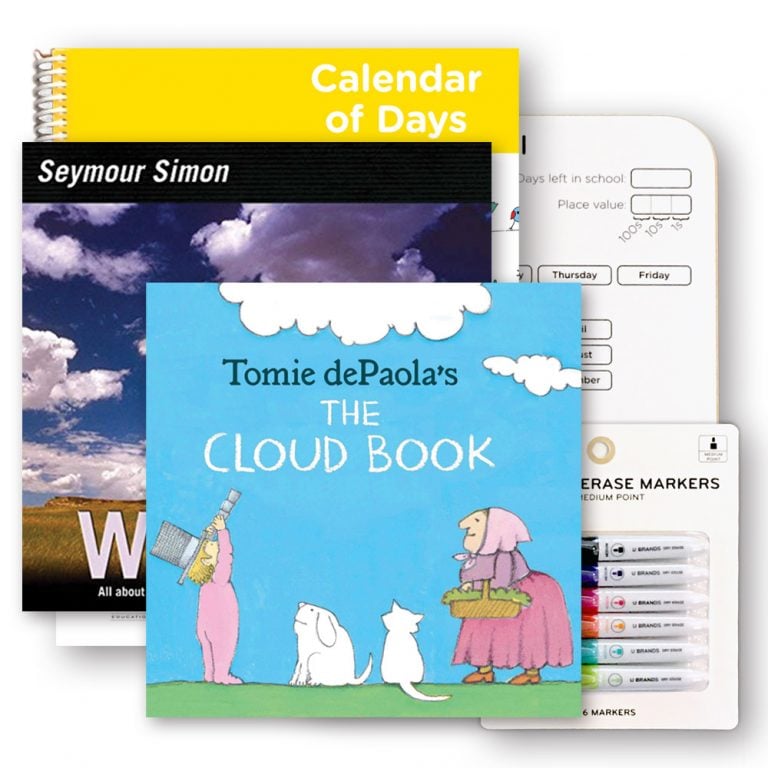
Each Calendar of Days bundle includes a teacher whiteboard, a student journal,  dry erase markers + eraser, and two thematic books tied to the calendar.

Each day the teacher whiteboard is filled  fill out, leaving room for student interaction, “What’s the weather like today?” Students move on to complete the journal each day, copying the whiteboard when necessary. On day 5 each week, students will create a small journal entry about a favorite day.
Each year, the Calendar of Days bundle includes two read aloud stories connected to days and weeks and months and seasons. During kindergarten, the books introduce the days of the weak and the weather. During first grade, we include two books to help you and your students explore gardening as connected to seasons. In the second grade, two wonderful books about more advanced weather and clouds are sure to inspire! The books are included as a springboard for you the teacher. Make them familiar. Read them often. Extend the new knowledge with creative activities.

Kindergarten

First Grade

Second Grade

Posted on

Let’s Talk Copy Work and Dictation

When it comes to learning to read and write, copy work and dictation activities offer students the terrific opportunity to practice newly introduced material and to review previously taught information. Incorporate this activity into your weekly lessons for Hatchling, Volume 1 for Kindergarten, Hatchling, Volume 2 for 1st Grade, and Earlybird for 2nd Grade.

Copy Work places the focus on what the student actually sees. Copy work always begins with reading, decoding what is on the page before picking up the pencil to write.

Dictation places the focus on what the student hears. Listening carefully to the phonemes (sounds) being spoken, tying to encode (write) what is heard to using graphemes (symbol) on the page is no small task! But utilizing both newly taught information, while simultaneously reviewing previously taught information will help students to move toward mastery.

So how is this accomplished? At first the exercises are limited to tools available to the student.  This silly sentence is for review only, utilizing short vowels, sight words the, on and to, plus consonant blends sw, tr, fr, and cl is just right for a student during the middle of Kindergarten:

Can the dog swim on the trip to the frog club?

This silly sentence reviews  short vowels, blends, digraph, utilizes sight words: the, a, and to plus utilizes new material long vowel pattern a_e.  Utilize a sentence like this for students at the beginning of 1st Grade:

Can the dog bake you a cake to take to the lake for the trip to the twin’s ship club?

By the time students enter the 2nd grade,  they will have been introduced to the whole gambit of phonics for reading and writing, will have learned to read and write a hefty collection of sight words, and will have practiced constructing all four types of sentences with Hatchling, Volume 1 and Hatchling, Volume 2. These students are ready to tackle passages from the books they are exploring.

Move from gentle:

“One winter morning Peter woke up and looked out the window. Snow had fallen during the night. It covered everything as far as he could see.” ~from The Snowy Day by Ezra Jack Keats

To more complex:

“They made such a noise that Michael came running, waving his arms and blowing his whistle. He planted himself in the center of the road, raised one hand to stop the traffic, and then beckoned with the other, the way policemen do, for Mrs. Mallard to cross over.” ~from Make Way for Ducklings by Robert McCloskey


As students get older, progressing to CORE Level 1, Level 2, Level 3 and beyond,  passages from books are longer, words and phrasing becomes beautifully complex:

“His sympathy made tears spring to Lina’s eyes. Doon looked startled for a moment, and then he took a step toward her and wrapped his arms around her. He gave her a squeeze so quick and tight that it made her cough, and then it made her laugh. She realized all at once that Doon—thin, dark-eyed Doon with his troublesome temper and his terrible brown jacket and his good heart—was the person that she knew better than anyone now. He was her best friend.” ~from The City of Ember by Jeanne Duprau

FIVE Tips to GUIDE the Exercise

ONE. Create a Copy work/Dictation Notebook. Pre-bound composition books work great as a space to house this work. Date each entry and skip lines between entries. Dedicate a single page for longer entries.

TWO Type up what is to be copied or dictated.

THREE. READ! For copy work, the student reads the sentence or passage aloud slowly before beginning to copy. For dictation, first read the sentence or passage as a whole. Next begin reading phrases slowly, encouraging the student to repeat when necessary. Having your student read aloud  before beginning copywork, or repeating dictation when necessary will help to be present in the activity and to press what is being learned into memory.

FOUR.  Don’t hover over the student! Don’t interupt with corrections during copy work or dictation. Letting mistakes happen will help you to assess what the student has actually mastered.

FIVE. When the copy work or dictation exercise is complete, ask the student to re-read what has been written. If there are no mistakes—Bravo! If there are mistakes point them out and have the student re-copy, mistake free. Remind them that mistakes are opportunities to learn.

Thomas Edison once said:  “I have not failed one thousand times. I have successfully discovered one thousand ways to NOT make a light bulb.”


~Kimberly

Posted on 1 Comment

How to Encourage Primary Writers

And the ability to tame an idea begins with some foundational skills introduced and practiced in the primary grades—Kindergarten, 1st, and 2nd!

Our Grade Level Collections include everything you need to introduce and reinforce phonics for reading and writing, plus a multitude of creative opportunities for idea making to motivate students in this important work.

Click through to watch a recording of the August Professional Development session with Mrs. B. & Ms. Clare. Be inspired this fall:

How to Encourage Primary Student Writing! 


~Kimberly

Posted on

Earlybird Introduction to Animals

WE ARE HAPPY TO WELCOME OUR BRAND NEW UNIT:

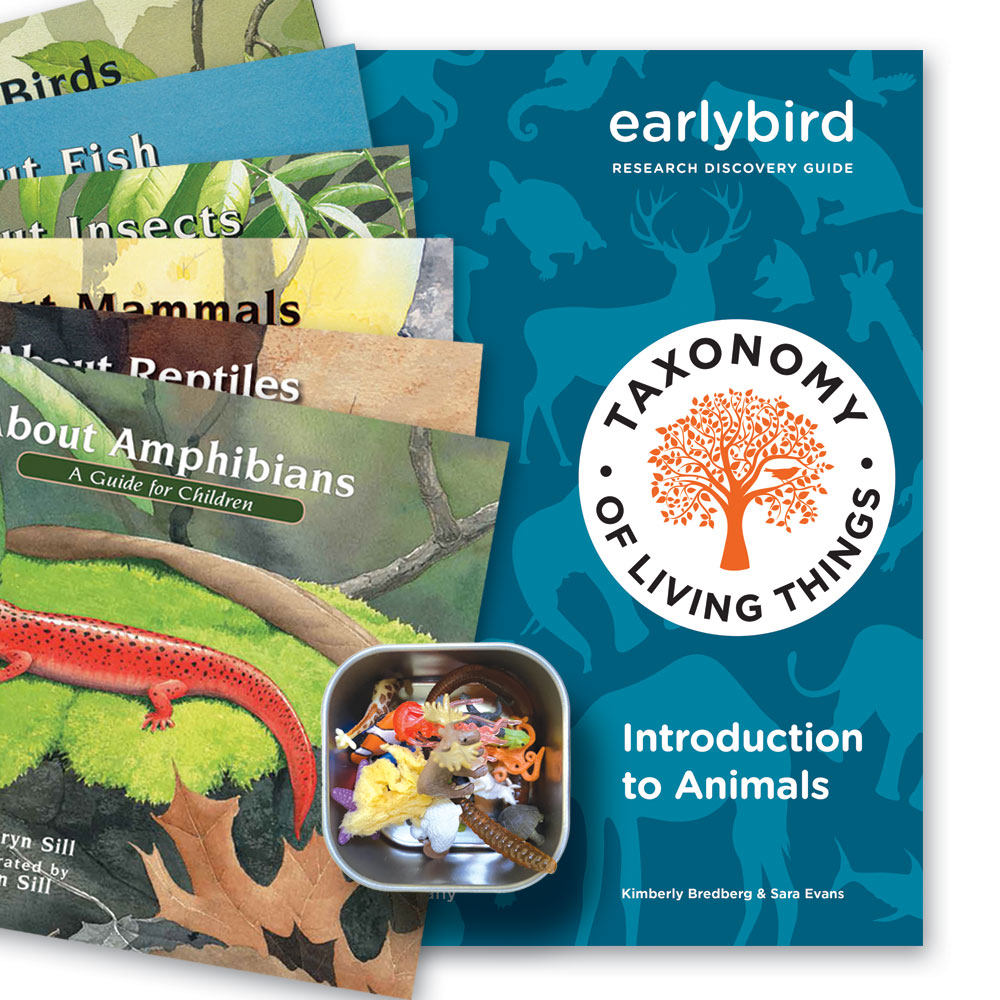
Earlybird Introduction to Animals!

There are two types of things in the world: living and non-living! Everything you can imagine is one or the other. Taxonomy is the science of sorting it all out. At its basic level, taxonomy identifies, names, and classifies all living things in a systematic way.

Every species has a common name, but also a unique two-part scientific name situating it on the tree of life. In the pages ahead you will get a glimpse of the amazing order that is intrinsic to the natural world.

Over the course of 13 weeks, students will be guided into the work of learning about the animal kingdom, journaling their discoveries along the way. This opportunity to research will not only help them to gain knowledge, but also to springboard into the realm of non-fiction, narrative writing.

As with all our materials, included in the front of the journal is the instructional material. Read through this material carefully. Next, flip through the first week of the journal to familiarize yourself with the daily work of your student. Week 1 is an introduction to the science of classification. After that, students will be focusing on one class of animals every two weeks. Scan through Weeks 2 and 3, and you will notice that on the first week, the reading is tied to comprehension and note taking activities, and the second week is an opportunity to write about an animal. This ongoing, consistent opportunity for practicing constructive writing skills will help students gain confidence in their ability to communicate.

While the unit is included in our 2nd Grade Level Collection, it is perfect for both 2nd and 3rd graders, and available for purchase A La Carte.


~Kimberly

Posted on

It’s Spring! Ideas are Blooming…

This time, last year, I was leading an Earlybird Pages session using our Spring Stories thematic unit—such beautiful stories and pictures about spring. Every time we read a new story, we sensed the anticipation in the air. How exciting, to simultaneously see things growing, blooming, changing right around us!

Colors so bright. Food so delicious. Bugs and wildlife transforming.

I planted a garden of my own about the same time. We planted some vegetables from seedlings. We planted some from seed. This garden has been so much fun to watch— from the breaking of ground to the first little glimpse of green as the plant slowly starts to unfurl.

I always research the authors and illustrators before any class I teach. Two of the authors we read about were motivated to write books about their gardens because of memories from their childhood. Monica Wellington wrote, Zinnia’s Flower Garden, and was inspired by her early childhood living in a small town in Switzerland, surrounded by mountains, woods, lakes, orchards fields and farms. Monica writes about subjects she knows about and subjects she wants to know more about. She constantly writes down words and thoughts and collects photos and pictures. She has a big box where she stores her “seeds of ideas”. She rustles around in it when she is thinking of her next book!

Grace Lin wrote her first published book, The Ugly Vegetables, based on her childhood experience of growing Chinese vegetables with her mother, while their neighbors grew beautiful flowers. When interviewed about her ideas for her books, Grace mentioned she travels everywhere with a sketchbook so she can always capture her ideas no matter where she is.

I love this idea of collecting words and pictures from right around us to fuel our BIG ideas! These ideas, once planted, grow inside of us and start to unfurl just like our own gardens. The more we tend to these ideas the more they grow and develop into something bright, open, strong, into something we want to share with the people around us. Our curriculum, over time, helps students collect “seeds of ideas” and supports them in planting and tending them.

Consider our brand new Operation Lexicon Word Collecting. Tied to the workbook, three beautiful books will guide students into the wonder of collecting words. Students learn to tease out word meanings and play with application. Words, like food, can be full of flavor and fun.

Last spring I talked to my students about starting a “seeds of idea” box and carrying sketchpads. I shared with my family my desire to create my own idea box. My son Grady created beautiful flowers on the front. I expanded my idea to include those of my family too! I am excited to continue the work of gardening my ideas this spring and watch them bloom.

There are no limits!

Strong words. Great stories. Beautiful illustrations. May our ideas bloom forth!


~Clare Bonn