Posted on

Around the Campfire: September is Near

Victor Hugo’s words were always in eyeshot when I was raising and educating my children:

“He who every morning plans the transaction of the day and follows out that plan, carries a thread that will guide him through the maze of the most busy life. But where no plan is laid, where the disposal of time is surrendered merely to the chance of incidence, chaos will soon reign.”

September is just around the corner.

It’s time to start sketching out a plan for next  year—yes, NEXT year!

And we’re here to help.

Tip Number 3.

Planning Leads to Follow Through

Winter officially began December 21st. Spring will arrive March 2nd with summer on its heels!

Fall will arrive in the blink of an eye!

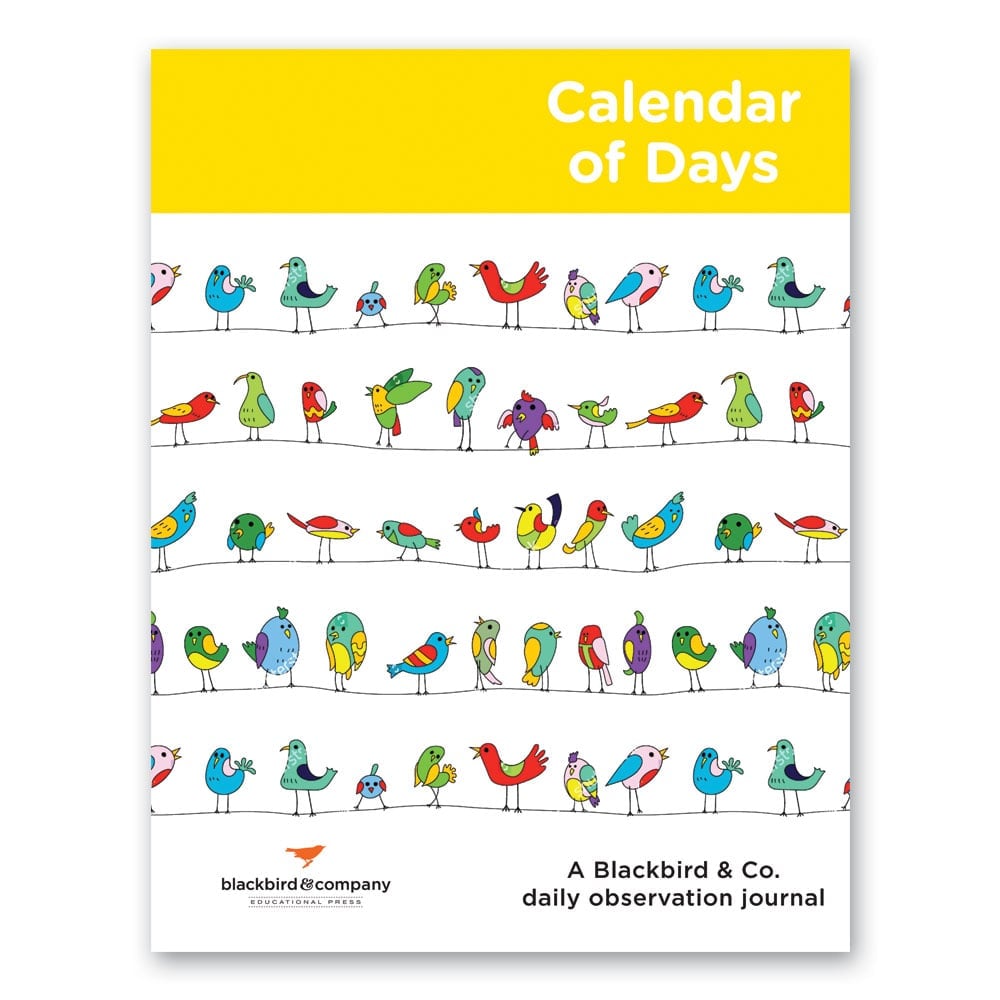
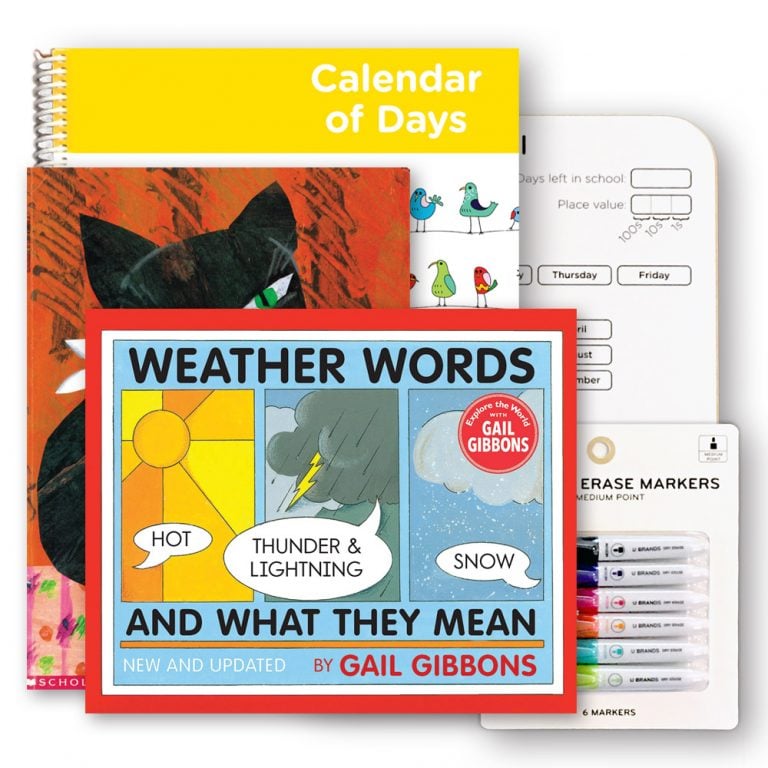
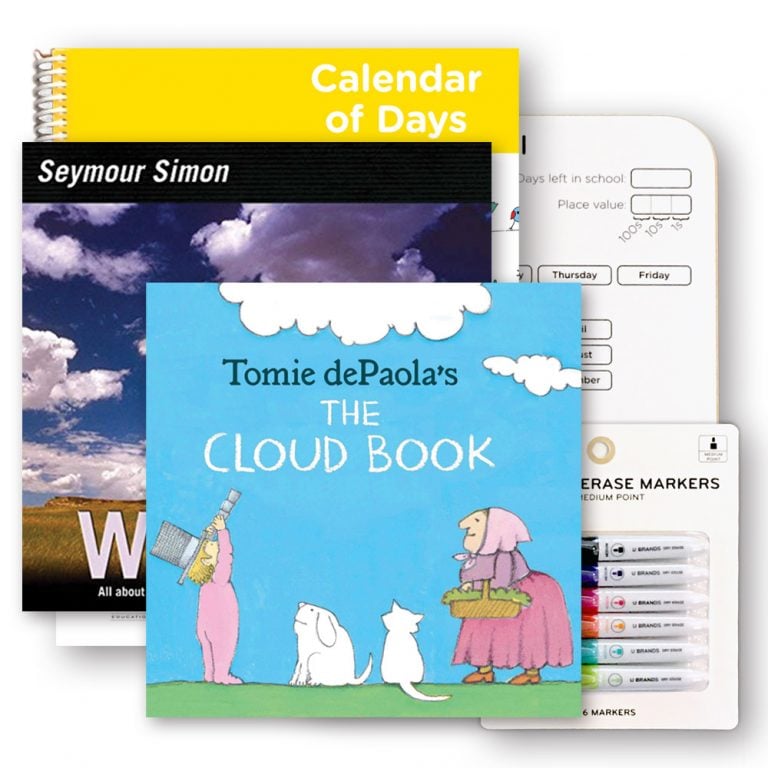
Now is the perfect time to begin thinking about the journey forward. As you get into the rhythm of winter, looking forward to spring, stretch your sights just a wee bit further toward the fall of 2024/25 and begin to outline for the coming school year! Begin by taking a peak at next year’s curated Grade Level Collection, or, if you are creating your own collection, make sure you choose both CORE and APPLICATION materials to round out a complete ELA course of study.

Here’s How:

1. CHOOSE 6 CORE Integrated Literature and Writing Guides

Blackbird & Company Integrated Literature+Writing Discovery Guides are CORE to our curriculum offering.

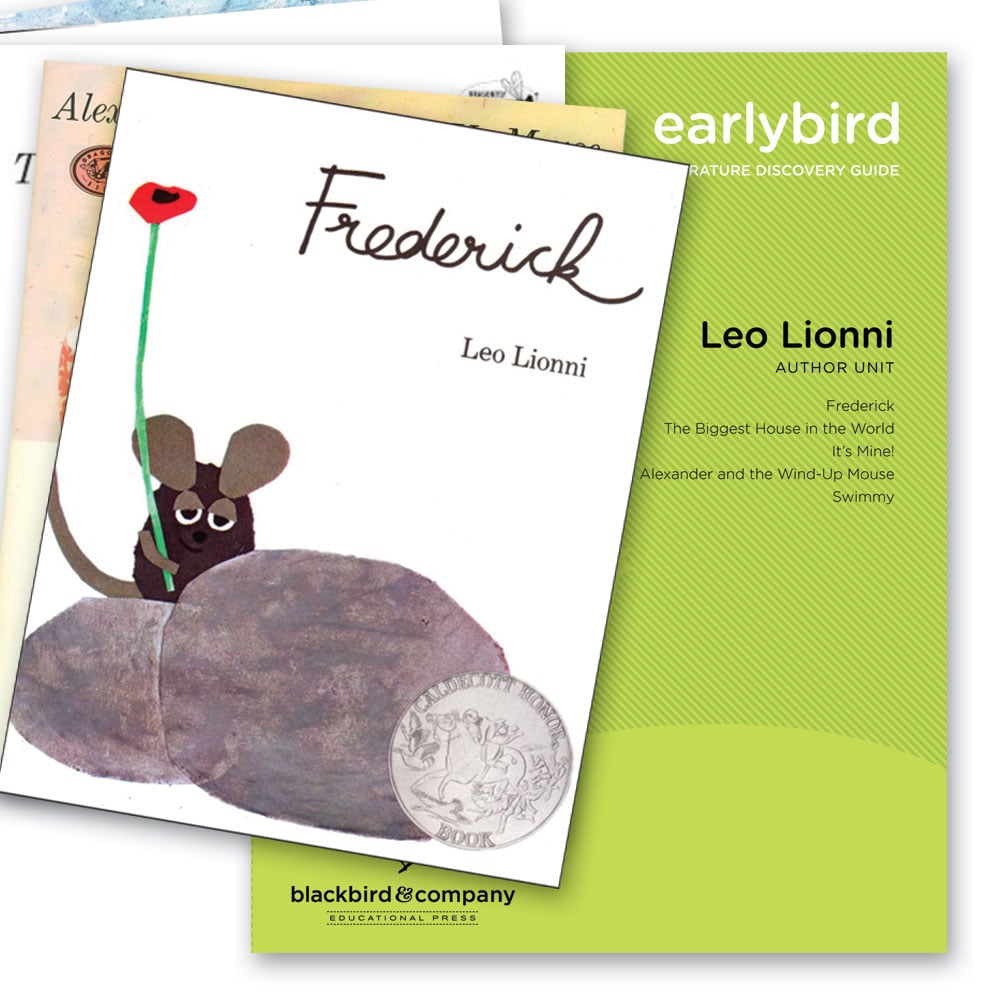
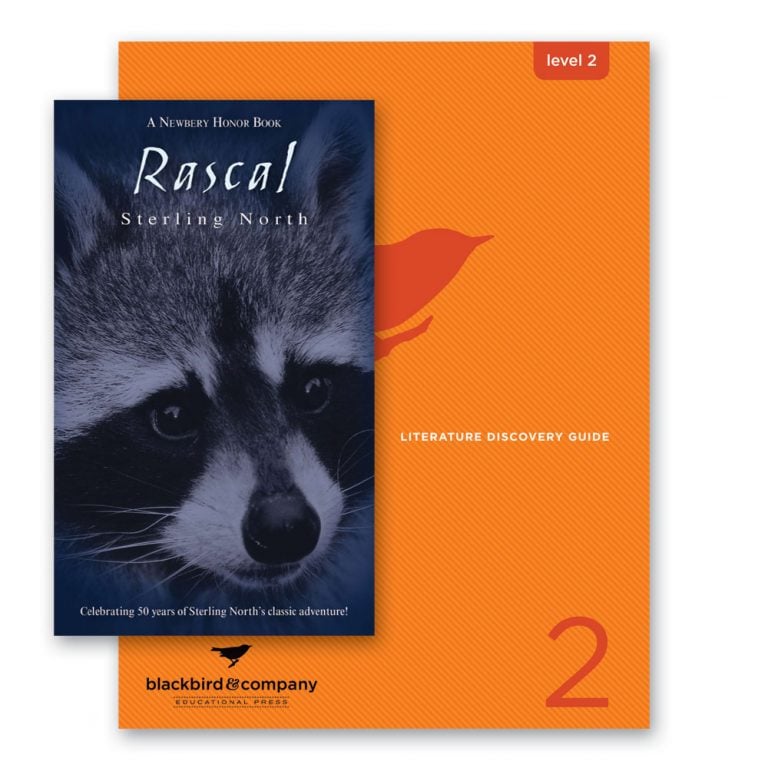
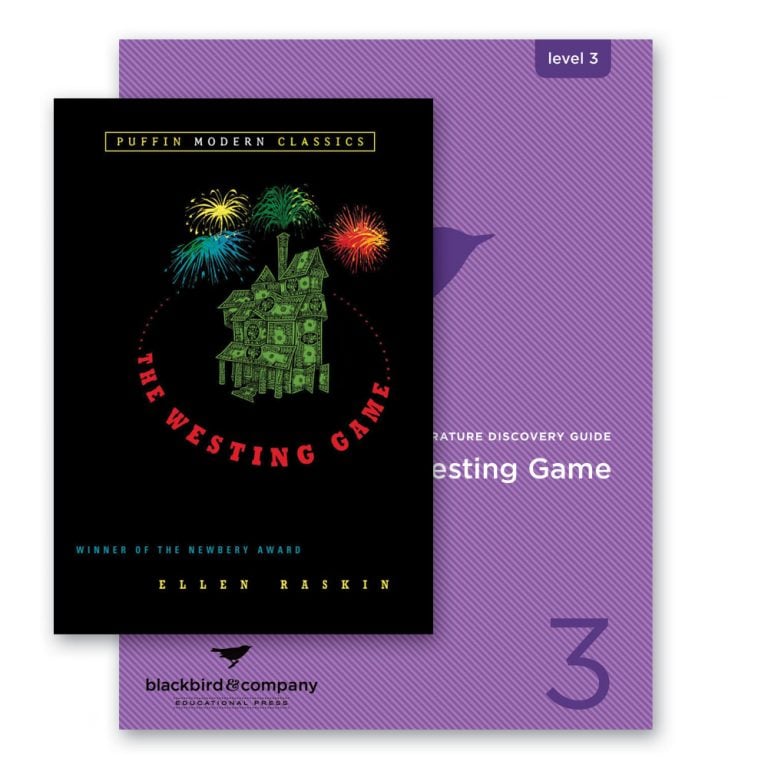
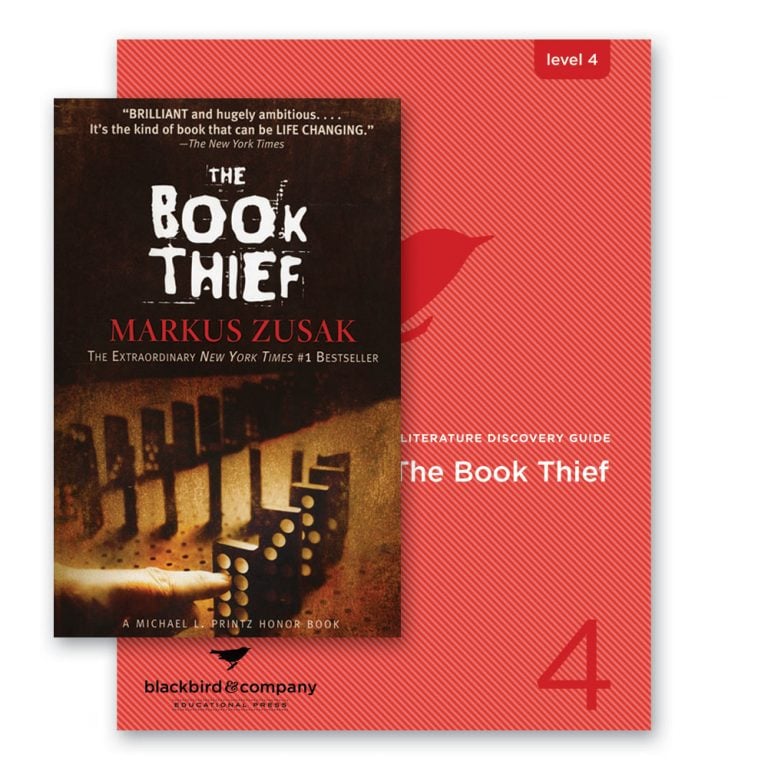
Our guides are tied to exceptional classic and contemporary novels across a broad range of genres. All levels — Level 1, Level 2, Level 3, and 4 — are structured to guide students into the act of reading and the art of writing. This CORE offering follows a weekly format with ample room for students to catalog their unique observations and bring shape to their ideas.

2. Choose APPLICATION materials according to your student’s grade or skill level.

Skills are presented systematically from Phonics in the primary years toward Vocabulary Development (through high school). Grammar and Punctuation are thoroughly introduced in elementary, moving toward a four year exploration of Rhetoric in upper elementary and middle school.

Research Writing is introduced in late primary early elementary, and continues on through the first year of middle school. Creative Writing is formally introduced via Storymaker and again in the middle school three units exploring the art of poetry.

Compositional Writing, exploring essay form, is covered over 5 units beginning in middle school and culminating in the second year of high school. In the final two years of high school, students will put everything together that they have learned and practiced in the Long Research unit.

Stay tuned this week as we begin to focus on supporting and planning for Primary—kindergarten, 1st, and 2nd grade.

Posted on

Around the Campfire: On Benchmarks and Wonder

No TIP today, rather, a reminder and an encouragement!

While reading through our Blackbird & Company ELA Benchmark materials, I was awestruck.

Just to hold in my hand a concise stack of pages detailing what a child will learn over their childhood—just in learning to read and write—was both a testimony to what it means to be human and to the powerhouse that is the human brain. Let’s take, for example, the first thing on the list. ”Holds book right side up, turns pages moving from front to back.” We have all seen a toddler holding a book upside down, pretending to read. It’s really a small miracle how one day something just clicks in their brain and they know to turn the book around.

When you think of all the tiny parts of language arts coming together over the span of a child’s early years, it can seem like a daunting task to be the teacher.

How will I hit all those small pieces?

Having two adult children, it’s fun to reflect back on those years and realize how many of the bits and pieces naturally came to my children (at different speeds, of course). I didn’t actually have a checklist of all the small parts (thank goodness or I might have freaked out). Don’t get me wrong, we had our big bumps, especially my son, who did a stint of ELA remediation at Linda Mood Bell. But, it is amazing, each child’s capacity to learn to decode and encode language while growing a love for good books and becoming motivated to share their unique ideas. I just felt this moment of extreme gratitude for what it means to be human, gratitude that all us educators are in this rich vein of motivating young writers to eventually raise their voices in the wide world.

Keep pressing in! The work is worth it!

~Sara
Posted on

Around the Campfire: Words of Wisdom from Mrs. Unruh

I’m so pleased to introduce the newest member of the Blackbird & Company team. I’ve had the privilege of working alongside Mrs. Unruh for the past dozen years and am delighted that she will bring her enormous heart, her wisdom, and her many talents to serve you all—our wonderful customers—on this journey of educating! Welcome Cathi!

~Kimberly

We find ourselves one week into the new year, shifting and slowly moving out of the holiday hustle and hush into… fill in the blank. 

Over the years, I’ve had many different reactions to this season.  The chill of winter is present, but the promise of new life with spring growth is just around the corner.  We are supposed to feel a sense of newness as we embrace fresh resolutions and the new hope of change ahead.  As a homeschooler, it can be a time where you feel bogged down in quagmire—in the middle of the school year, looking at a stretch of 5 or 6 months before you get to cross the finish line and call the year done!  You may be looking at how dreadfully behind and unaccomplished you feel as you move into this second half of the school year. 

A serious change of perspective is needed.  Guess what?  What you are doing is not about THIS school year, it is about a life-long process of learning, growing, layering, stretching, strengthening, gleaning, inquiring, absorbing…caring.

The wisdom literature reminds us, “Without counsel plans fail, but with many advisers they succeed”  (Proverbs 15:22).  Victor Hugo, of course, echos this truth:

Where no plan is laid, where the disposal of time is surrendered merely to the chance of incident, chaos will soon reign.

So here is the advice from one who crossed the Finish Line, homeschooling four children some 14 years ago:  

Now is the time to start looking into curriculum choices and learning pathways for the upcoming 2024-25 school year. 

Now is the time to look at what you are doing and consider changes as you move forward to best inspire and encourage your student. 

Now is the time to shore up what is weak and strengthen what is thriving. 

Making choices now will gift you the time you need to be prepared and inspired as you appoint the path that will enact the most growth in the next leg of your homeschooling journey.  Be encouraged.  You are not stuck in the middle, you are walking on a pathway that is way longer than this year.

I have homeschooled my own children, worked in various capacities for a homeschooling academy, taught classes for a homeschool network where I counseled, advised and coordinated, and eventually worked alongside Mrs. Bredberg as a co-director utilizing  Blackbird & Company curriculum with students at our beloved hybrid school, Waterhouse Guild.  Did I do it all right?  No way!  But the years of experience have taught me much about this process of mentoring children, especially those sitting at our own kitchen table. I am privileged to be able to offer you advice and hopefully help you along your way as you homeschool your own children.

So, Happy New Year! 

The journey does not stay the same, but the pathway continues. 

I look forward to walking alongside you here with Blackbird & Company. 

Let’s walk this path together.

~Cathi

Posted on

Around the Campfire: Refocus to Observe!

“Upon the subject of education, not presuming to dictate any plan or system respecting it, I can only say that I view it as the most important subject which we as a people can be engaged in.”

So said Abraham Lincoln.

“Four score and seven years ago…,” Abraham Lincoln crafted 272 words to form his “Gettysburg Address”—272 elegant words to heal the grieving, and bridge the rift between North and South. Abraham Lincoln was not only the benevolent President we all know and love, but he stands head and shoulders strong among the greatest of writers. “The Gettysburg Address” took only two minutes to deliver to the weary crowd on November 19, 1863, and was destined to become one of the most important documents in American history. He harkened back to liberty, to equality, and to freedom, echoing the Declaration of Independence. And he reminded the nation of the great goal of abolishing slavery — “… a birth of new freedom.” How did this man who, at best, attended school about one year of his life, and who never attended college, accomplish this great feat? Abraham Lincoln took ownership of his education. Lincoln was an autodidact. He read voraciously—Harriet Beecher Stowe, Goethe, Shakespeare, Napoleon Bonaparte, and Aesop. He read Longfellow and Emerson and Butler and recited their poetry aloud in the woods according to lore. He read Hume’s History of England. He read Thomas Paine, abolitionist Moncure D. Conway and humorist Petroleum V. Nasby. Abraham grew up observed the world around him. He listened. He cared. Abraham Lincoln cared about learning. Though he never attended law school, Abraham Lincoln received a license to practice law after passing a rigorous oral examination. He became our 16th President and fathered us through Civil War. Before he was assassinated, Lincoln crafted his “Second Inaugural Address”—700 eloquent words denouncing slavery, offering grace and sympathy toward both sides.

Here in the 21st Century, we can be that teacher who inspires an Abe Lincoln attitude toward learning. Literacy is the amazing human ability to read and to write and to speak and to think. Learning and practicing bundles of ELA skills eventually lead to competency. Standards, whether set by particular states, or Common Core, simply map out these skills.

“One child, one teacher, one book, one pen can change the world.” — MALALA YOUSAFZAI

We, like Malala, believe that the act of reading and the art of writing and thinking can change the world. So how do we accomplish this great goal? We believe the answer is to simplify.

So let’s refocus!

Here in the 21st century, the most important thing to keep in mind is that Abraham Lincoln took ownership of his education. The best encouragement we can give our students is to empower them to engage in the act of reading and the art of writing. However, let’s keep in mind that neither reading, nor writing (for that matter, not thinking or creating either) happens by chance. Literacy is achieved only by small steps toward the goal. Work works. But literacy will not ever be authentically achieved via a checklist of skills. We teachers will do our students a service when we understand the skills involved are best achieved when we encourage our students to be present, to take ownership of their important work. Understand the ELA standards, teach explicitly as needed, and guide your students consistently through our CORE and APPLICATION units according to their individual ability and grade level. Much of what the standards call for will be covered (and then some) as your student presses into this work. English Language Arts goals fall into the following five broad categories and are further broken into recommended skills for each area:

1. Foundational Skills for Reading and Writing

2. Reading of Substantial Fiction and Non-fiction

3. Language Conventions of Grammar and Style

4. Speaking and Listening and Thinking

5. Writing of Ideas

Tip Number 2.

Document observations along the way!

We’ve created worksheets for you to make notes monthly of student growth, and to track your observations of ELA benchmark mastery and particular skills needing a bit more attention. Tracking observations not only enables you, the teacher, to offer simple explicit reminders along the way, but also to be encouraged by student growth.

Posted on

It’s Campfire Time!

Happy FIRST Day of 2024!

For those of you who are new to Blackbird & Company, and those who are seasoned users, pull up a log, and gather round the campfire!

We humans possess an enormous capacity to enjoy and enact language.

During the month of January we will offer tips to help YOU, the teacher, guide your students on the path to becoming exceptional readers and writers. Becoming literate is a lifelong journey—we must inspire children to delight in this important endeavor.

Tip Number 1.

Track the journey!

Take a moment to look back on the academic milestones your students achieved in 2023. You will likely be amazed! We’ve created checklists of benchmark skills to help you create a record of progress.

The following are BIG picture checklists to help you assess annual student growth as a reader, writer, thinker, and creator. Over time, following our methodology, your student will become confident in the following ELA (English Language Arts) benchmarks. As you assess your student’s work, you will be pleased to discover mastery in these areas. Keep in mind, mastery does not ever mean these benchmarks are a thing of the past, but rather, part of the active heart and mind of the student. There will be considerable overlap year after year, and you will observe maturity within a given skill over time. Use check marks to indicate the skill is being utilized by the student.

ELA Benchmarks: K–2

ELA Benchmarks: 3–5

ELA Benchmarks: 6–8

ELA Benchmarks: 9–12

Catching a glimpse of the tremendous growth that happens as we engage our students in the act of reading and the art of writing is just the encouragement we teachers need at the start of a brand new year!

Happy New Year indeed!

Posted on

Shakespeare + Haiku

Bravo for Shakespeare + Haiku!

Thank you Hadleigh R. for submitting these amazing haiku highlighting our Shakespeare words: watchdog, moonbeams, yelping, and clangor!

We’re so glad our December Giveaway inspired your poetic voice.

And, Congratulations, we are sure Shakespeare would be proud that you carried on his appreciation of the singular specificity of words!

Posted on

Haiku Day 12

Chilly white blanket atop the city streets is an invitation to play.


Chilly white blanket

atop the city streets is an

invitation to play.

Now you try!

Here’s how to enter:

Enter your own haiku here using today’s Shakespeare word—invitation—to be entered into our giveaway! To receive additional entries, head over to our Instagram or Facebook pages, be sure to follow us, and tag a friend on our latest “12 Days of Haiku” post.

We will be giving away three sets of Shakespeare’s Words & Will’s Words. Three lucky winners will be announced 12/15/2023 on Instagram and Facebook!

Posted on

Haiku Day 11

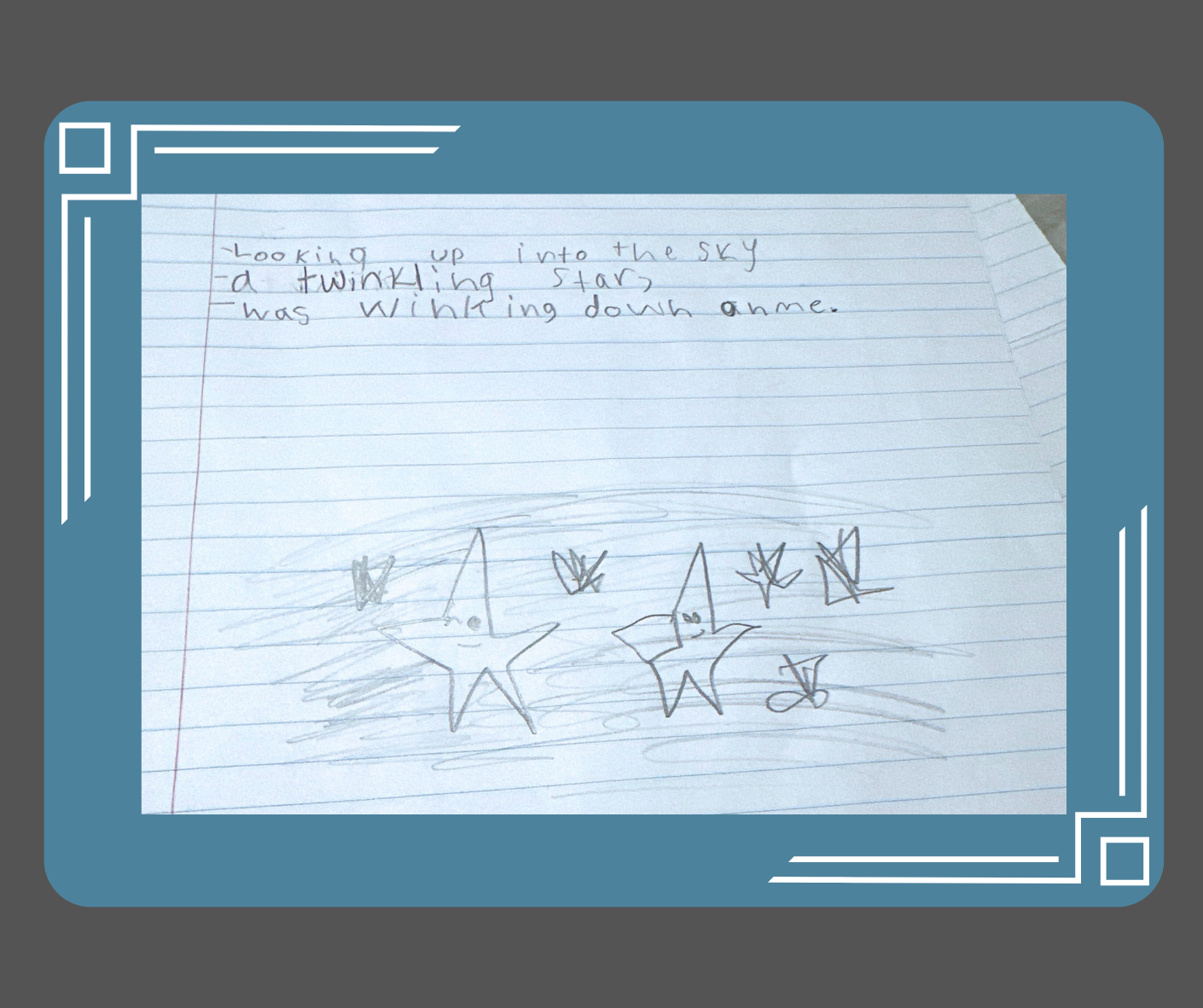
Stars in the sky, your multitudinous lights twinkle a wintery song.


Stars in the sky, your

multitudinous lights twinkle

a wintery song.

Now you try!

Here’s how to enter:

Enter your own haiku here using today’s Shakespeare word—multitudunous—to be entered into our giveaway! To receive additional entries, head over to our Instagram or Facebook pages, be sure to follow us, and tag a friend on our latest “12 Days of Haiku” post.

We will be giving away three sets of Shakespeare’s Words & Will’s Words. Three lucky winners will be announced 12/15/2023 on Instagram and Facebook!

Posted on

Haiku Day 10

I stick out my tongue and let the ice cold snowflakes leapfrog across it.


I stick out my tongue

and let the ice cold snowflakes

leapfrog across it.

Now you try!

Here’s how to enter:

Enter your own haiku here using today’s Shakespeare word—leapfrog—to be entered into our giveaway! To receive additional entries, head over to our Instagram or Facebook pages, be sure to follow us, and tag a friend on our latest “12 Days of Haiku” post.

We will be giving away three sets of Shakespeare’s Words & Will’s Words. Three lucky winners will be announced 12/15/2023 on Instagram and Facebook!

Posted on

Haiku Day 9

The temperature outside dwindles as I read by the cozy fire.


The temperature

outside dwindles as I read

by the cozy fire.

Now you try!

Here’s how to enter:

Enter your own haiku here using today’s Shakespeare word—dwindle—to be entered into our giveaway! To receive additional entries, head over to our Instagram or Facebook pages, be sure to follow us, and tag a friend on our latest “12 Days of Haiku” post.

We will be giving away three sets of Shakespeare’s Words & Will’s Words. Three lucky winners will be announced 12/15/2023 on Instagram and Facebook!